Xiaomi starts selling its EVs outside China for the first time, in the UAE
Three models are listed through a local distributor, from about $46,200 to $102,000, with first deliveries due in December and the rest in February.

· 4 min read
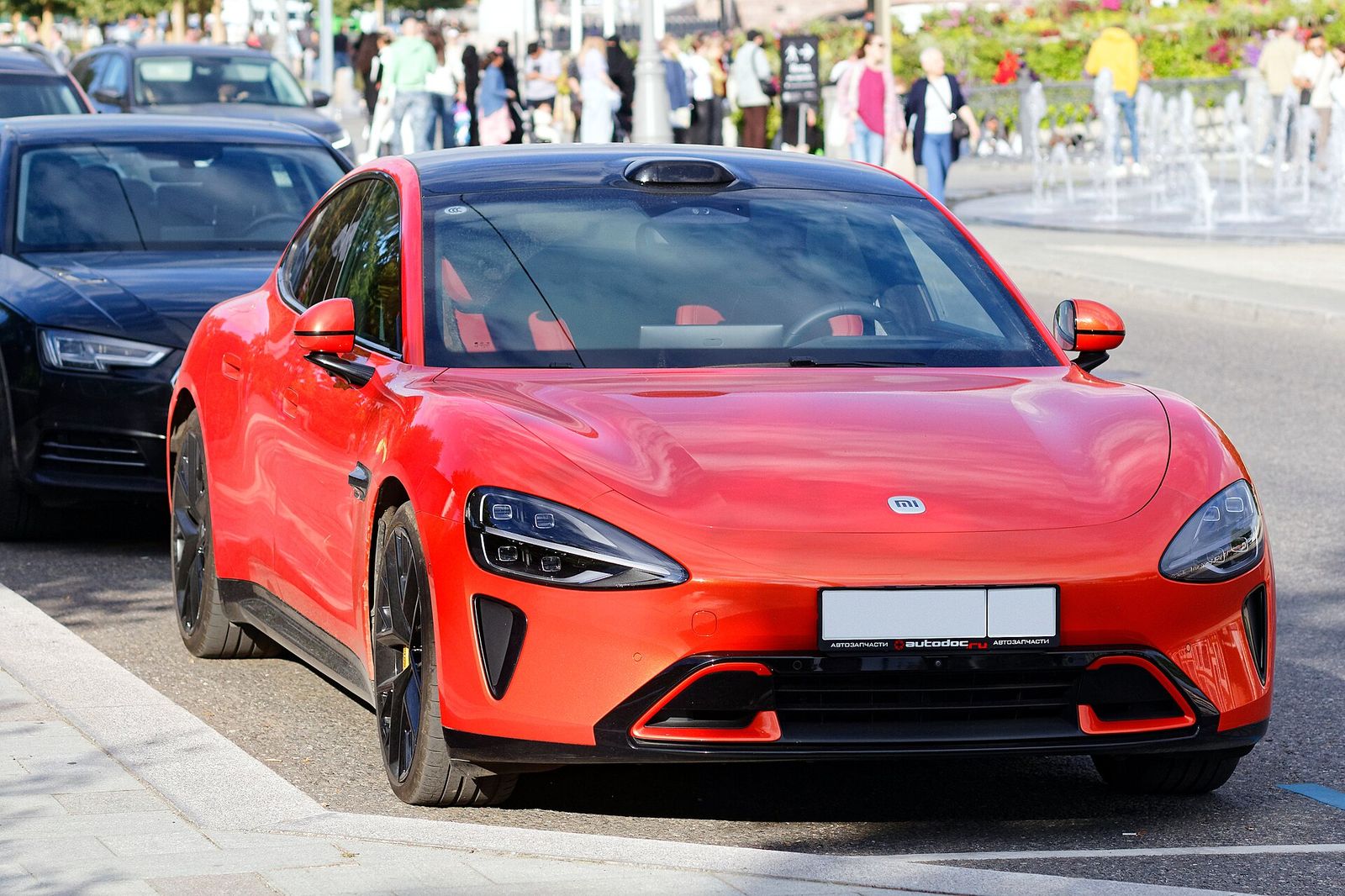
Xiaomi's electric cars are on sale outside China for the first time. The SU7 sedan, YU7 crossover and Skynomad SUV are now listed for buyers across the United Arab Emirates, the first foreign market for a company still better known for its phones.
Xiaomi is not opening its own showrooms in the Gulf. Sales go through Gargash Prime Automotive, a local distributor. That is a cautious way to enter an unfamiliar market. A partner that already knows the customers, the service needs and the paperwork carries much of the risk, and Xiaomi doesn't have to build its own retail network before demand is clear.
According to CarNewsChina, Gargash is offering 13 variants across the three nameplates. Prices start at 169,900 dirhams, about $46,200, for the SU7 Standard and rise to 375,900 dirhams, roughly $102,000, for the top SU7 Ultra. The dollar figures are approximate conversions from local pricing, not U.S. prices.
Not every version arrives at once. In December, the first customers are due to receive four models: the SU7 Standard, the SU7 Ultra, the YU7 Standard and the Skynomad N70 Pro. The remaining variants are scheduled for February 2027. The Skynomad is an extended-range electric SUV, which means it carries an onboard engine that generates electricity to supplement its battery instead of driving the wheels directly.
The staggered schedule looks sensible. The first wave covers the cheapest entry point, the halo car and one version of each of the other two models, which should give an early read on demand at both ends of the lineup before the full range lands.
The UAE is a logical place to launch the SU7 Ultra. Xiaomi rates the car at 1,548 horsepower from three electric motors. It claims a 0-62 mph time under two seconds and a top speed of 217 mph. This is not just a drag-strip special. The Ultra gets carbon-ceramic brakes, a composite aerodynamic package with a very large rear wing, and chassis tuning developed for the Nürburgring, the German circuit where automakers go to prove a car's handling.
On paper, those figures belong among cars that cost several times as much. At about $102,000, the Ultra's price looks aggressive for that level of performance. If the car holds up on track and in owners' hands, it could do more for Xiaomi's reputation abroad than any amount of advertising. The open question is whether buyers in a market used to established European exotics will pay supercar money for a badge they know from smartphones.
The cheaper models will probably decide whether Xiaomi lasts in the region. The Ultra earns attention, but the SU7 Standard and the YU7 have to sell in volume against established brands. A local distributor's service network will matter more to those buyers than lap times.
The UAE is meant to be a first step. Xiaomi CEO Lei Jun confirmed at the APEC CEO Summit in Shenzhen on Nov. 17 that the company would officially enter Western car markets next year. The available reporting does not say which countries he meant, when they would open or whether Xiaomi would use distributors there as it does in the UAE. Until the company names markets and dates, the commitment is a plan, not a schedule.
The timing fits a broader trend. Chinese-built EVs have been reaching more buyers in Europe and Canada, and Xiaomi is a late arrival compared with rivals that started exporting years ago. It brings a strong record at home. Xiaomi launched the SU7 in 2024, its first car, and became one of the most closely watched new entrants in China's crowded EV market.
Starting in the Gulf rather than Europe looks like a sensible order. The UAE is a wealthy market with a strong appetite for premium and performance cars. Selling through a partner there gives Xiaomi a chance to test overseas pricing, logistics and after-sales support before it faces the tougher competition and regulations of larger Western markets.
For American readers, this does not change much yet. Nothing in the announcement mentions U.S. sales, and Lei's reference to Western markets came without a country list. The UAE listings and the December delivery date are the first real evidence of how Xiaomi's cars, and its pricing, will hold up outside China. February's arrival of the full 13-variant range will show whether the lineup appeals beyond buyers drawn in by the 1,548-horsepower flagship.
Sources
Julian Morales
Julian Morales follows automakers, vehicle manufacturing, and the supply chains behind the cars reaching dealerships. His coverage connects factory plans, production figures, supplier developments, and company announcements with broader industry changes. He explains how manufacturing decisions and parts availability can influence vehicle output, delivery schedules, and the direction of the automotive business.
View all stories