Marvel plans a Patrick Stewart tribute in 'Avengers: Doomsday,' his final film
Co-director Joe Russo calls the late actor's Professor X the film's conscience, with a farewell scene opposite Ian McKellen.

· 5 min read
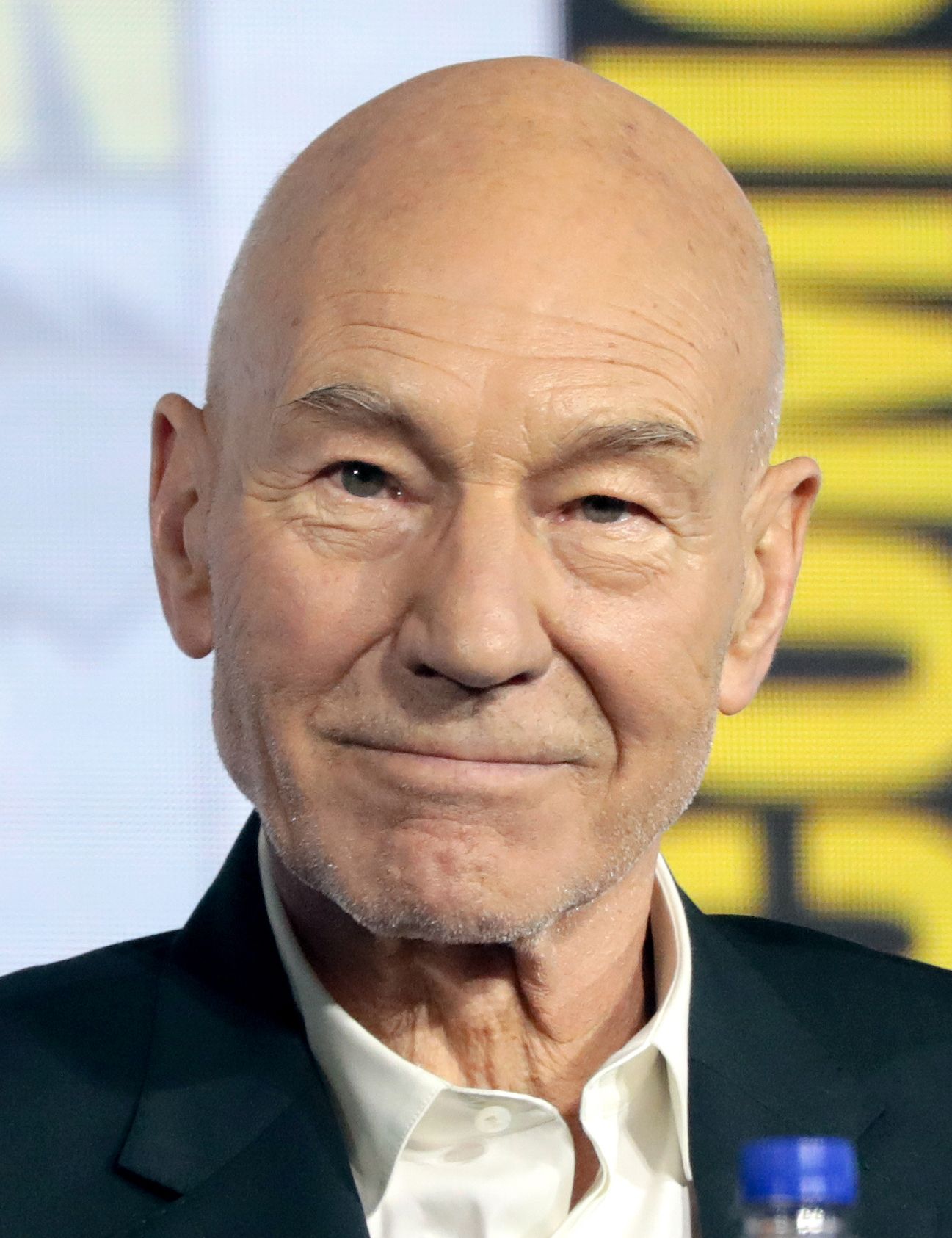
Marvel Studios is working out how to honor Patrick Stewart inside "Avengers: Doomsday," the film that will stand as his last screen performance. Studio president Kevin Feige disclosed the plan in an interview with Entertainment Weekly, roughly a month after Stewart's death and less than four weeks before the movie reaches theaters on Dec. 18.
"We're looking now at how we can put something together that honors and respects our friend," Feige told the magazine. He did not describe what form the tribute would take. He said filming had long since wrapped and that the actor had delivered for the team. Feige and co-directors Anthony and Joe Russo are planning it together.
Stewart died in late October at 86 after a brief illness with Alzheimer's disease and Lewy body dementia. In "Doomsday" he plays Charles Xavier, the telepathic founder of the X-Men, for the ninth and final time. Fellow actors and longtime collaborators paid tribute to him publicly after his death.
The most striking detail from the interview is that the movie itself appears to give Stewart a fitting exit. "In a lot of ways, Xavier's the conscience in the movie," Joe Russo told EW. He said Stewart shares a scene with Ian McKellen, his longtime screen rival as Magneto and his best friend off screen. Russo called it a very emotional scene about forgiveness and said it now feels "very resonant in the wake of his passing."
That pairing is the heart of the X-Men film series. Stewart and McKellen first faced off as Xavier and Magneto in 2000's "X-Men," and their friendship-turned-ideological split has anchored the franchise ever since. Shortly after Stewart's death, McKellen said his friend "wore his heart on his sleeve, which made him a man to rely on." A final scene between the two about forgiveness will carry a weight the filmmakers could not have planned when they shot it.
The "conscience" description also fits the story Marvel is adapting. "Doomsday" loosely draws on writer Jonathan Hickman's "Time Runs Out" comics, in which parallel worlds collide in events called incursions. A circle of heroes that includes Professor X must choose between destroying other worlds and letting their own be wiped out. In the comics Xavier is a harder, more morally compromised figure than the one Stewart played on screen. Stewart's version, from the first film on, has always been the warmer and more principled one. Putting that version at the center of an impossible moral choice looks like a smart use of what audiences have trusted about him for 26 years.
The filmmakers' memories of Stewart's final shooting day are the most affecting part of the interview. Feige said Stewart stood and addressed the crew. "We didn't know necessarily it would be his last day on a set, but he was sort of indicating to us that he thought it was," he said.
Anthony Russo said the cast and crew felt it too. "We may never see him on set again," he recalled thinking, and he described the mood as very emotional. "It was clear that he was struggling with his health," Russo said. He added that Stewart worked hard to give a full performance and presence for the directors, his fellow actors and the crew. In Russo's words, Stewart "muscled through" the work in a way that made the experience intensely emotional for everyone involved.
Stewart had been offered a part in the sequel, "Avengers: Secret Wars," which is due at the end of 2027, but he decided to appear only in "Doomsday." That leaves this film as the last time audiences will see his Xavier.
Before "Doomsday," Stewart had already crossed into the main Marvel Studios timeline once. He played an alternate-universe Xavier in "Doctor Strange in the Multiverse of Madness." "Doomsday" goes much further, folding the Fox-era X-Men into a crossover with the Avengers and the Fantastic Four.
Marvel has faced this situation before, and its record suggests a restrained approach works best. After Stan Lee died, the studio reworked its opening logo for "Captain Marvel" into a montage of his cameos. That short, wordless gesture landed with audiences without interrupting the movie. "Black Panther: Wakanda Forever" went further and built its whole story around grief after Chadwick Boseman's death. That was a different case: Boseman was the lead and the film had to be reconceived.
Stewart's situation is closer to Lee's than to Boseman's. His performance is finished, and Feige stressed that he "did an amazing job for us." Nothing in the interview points to reshoots or rewrites. With a role the directors already call the film's conscience and a forgiveness scene opposite McKellen, the movie may already contain the most fitting tribute. Anything Marvel adds, whether a title card, a dedication or a moment before the credits, would be wise to stay brief and let that scene speak.
There is also an unusual wrinkle: Stewart has bid Xavier goodbye on screen before. James Mangold's "Logan" in 2017 gave the character a devastating death and was widely received as the actor's farewell to the role. "Doomsday" now becomes a second, involuntary goodbye. That gives Marvel a chance to close a nearly three-decade run with more grace than a multiverse cameo would have allowed. The risk is that a heavy-handed tribute could tip a carefully played performance into sentimentality.
The studio has little time to decide. "Avengers: Doomsday" opens in theaters Dec. 18, and its final trailer has already drawn enormous interest. For many viewers, the most watched scene may turn out to be two old friends talking about forgiveness.
Sources
- Deadline — Film: Marvel Plans Patrick Stewart Tribute In ‘Avengers: Doomsday’ As Anthony Russo Recalls Actor’s Last Day Of Filming: “He Was Struggling With His Health”
- TheWrap — Movies: Patrick Stewart’s Professor X Is the ‘Conscience’ of ‘Avengers: Doomsday’ in Farewell Performance
- Variety — Film: Patrick Stewart Was ‘Struggling With His Health’ on Last Day of Filming ‘Avengers: Doomsday’; Marvel Plans to Add Tribute to Movie
- IGN — Movies: Kevin Feige and the Russo Brothers are Planning a Special Tribute to Patrick Stewart as Avengers: Doomsday Release Approaches
Sofia Bennett
Sofia Bennett covers television and streaming, following new series, returning programs, and changes across viewing platforms. Her work explores release schedules, creative developments, and the conversations surrounding popular shows. She focuses on helping readers understand what is arriving, how programs connect to broader trends, and where the television landscape is heading.
View all stories