Lucid Gravity robotaxis for Uber start driving with nobody behind the wheel
Nuro has pulled safety drivers in four Silicon Valley cities, but the public launch has slipped from 2026 into the first quarter of 2027.

· 5 min read
Key Takeaways
- Driverless testing covers Palo Alto, Mountain View, Los Altos and Sunnyvale, with more Bay Area cities planned next year.
- The public Uber launch is now expected in the first quarter of 2027, later than the original 2026 target.
- Uber has committed to at least 35,000 Lucid vehicles running Nuro's self-driving system, up from 20,000.
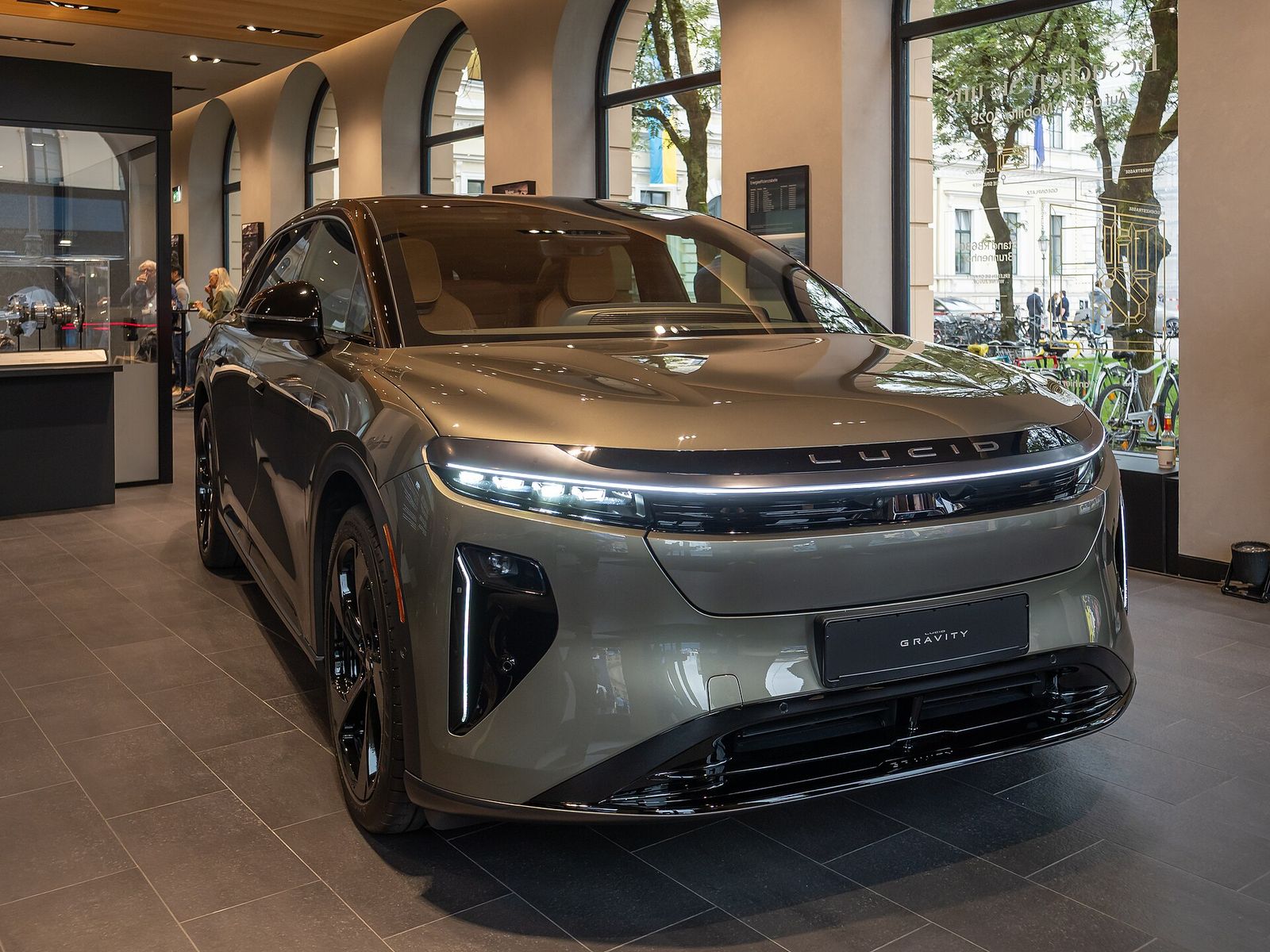
The Lucid Gravity SUVs being built into Uber robotaxis are now driving on public roads in the San Francisco Bay Area with no one in the driver's seat. Nuro, the autonomous-driving company behind the system, has moved the program into fully driverless testing in four Peninsula and South Bay cities: Palo Alto, Mountain View, Los Altos and Sunnyvale.
That is the furthest the Uber-Nuro-Lucid partnership has gotten so far. It also comes with a delay. Paying customers won't get rides this year as first planned. The public Bay Area service is now expected in the first quarter of 2027.
Lucid built and delivered more than 100 Gravity SUVs for this stage. Nuro said it plans to add more Bay Area cities next year, and that Uber employees will "soon" be able to ride in the driverless vehicles. That employee-only phase is the usual step before the public is allowed in.
The Gravity robotaxis have been running around the clock since December 2025 in the Bay Area and Houston, always with a safety driver ready to take over. Before taking that person out, Nuro said, it ran testing without a vehicle operator at its closed course in Las Vegas. That testing covered situations such as encounters with pedestrians and other drivers violating right-of-way, and Nuro backed it with large-scale simulation.
Tilo Schwarz, who heads the Nuro Driver program, said driverless operation "isn't new" for the company. He has a point. Nuro has operated driverless delivery pods in California since 2020. Those small vehicles carry goods, though, not people. This is the first time Nuro has run without a driver in a passenger vehicle, and a full-size SUV carrying riders at road speeds is a much bigger engineering and safety problem than a delivery pod.
The state approvals were already in place. California regulators this year extended Nuro's driverless testing permit to cover the Gravity and separately authorized passenger rides as long as a safety driver is aboard. Nuro said it is one of only six companies allowed to test without a driver on California roads. The state Department of Motor Vehicles list, last updated Nov. 5, names AutoMo, Nuro, Tensor, Waymo, WeRide and Zoox.
Tesla is not on that list. Its robotaxi entity holds a California permit only for testing with a driver, and it has no deployment permit.
Nuro took the slow route: permits, a closed-course program and simulation, then driverless runs in quiet suburban cities. It's a less flashy approach than some rivals take, and it's the right order. Robotaxi programs tend to lose public trust through a single bad incident on a public street, and a methodical rollout lowers the odds of handing critics one.
The robotaxis are modified Gravity SUVs with cameras, lidar and radar built into the body and mounted in a rooftop "halo." The halo also carries LED lights that help riders pick out their car at the curb, a practical touch for anyone who has wandered a pickup zone looking for the right vehicle. Inside, Uber designed the cabin interface, and Nuro's software does the driving.
The vehicles will be available only through the Uber app. Uber will own and operate the fleet with partner companies.
The timeline has moved more than once. When the three companies announced the program in July 2025, they promised a launch in a major U.S. city later in 2026. In June, when Uber named Houston as the second market, with a launch planned for mid-2027, the Bay Area debut was still set for this year. Now it is early 2027, with launches in dozens of markets worldwide expected over the next few years.
A slip of a quarter or so isn't alarming by robotaxi standards. Self-driving timelines have a long history of sliding by years, not months. The pattern is still worth watching. If the Bay Area date moves again, the mid-2027 Houston target is unlikely to hold.
Nuro is still far behind Waymo. Waymo already runs a paid, fully driverless service across much of the Bay Area, including the same Peninsula and South Bay cities where Nuro has only now removed its safety drivers. Driverless testing with a 100-vehicle fleet in four suburbs is where Waymo stood years ago. Electrek's editor in chief put it bluntly, writing that Nuro and Uber won't close the gap with Waymo in 2027.
That doesn't make the program unimportant. Uber has spent years as a platform that doesn't own its cars, so committing to own a fleet signals how seriously it takes having self-driving vehicles it controls rather than relying entirely on outside operators. Its purchase commitment has grown from 20,000 vehicles to at least 35,000 Lucid vehicles equipped with the Nuro Driver, starting with the Gravity and later adding Lucid's coming midsize models.
Lucid has the most at stake. The company delivered 3,806 vehicles in the third quarter of 2026. At that rate, 35,000 robotaxis would take more than two years of Lucid's entire output. For a carmaker still trying to reach meaningful scale, a single customer with that kind of order is valuable. Steady fleet volume can help spread factory costs and support the cheaper midsize vehicles Lucid has been counting on.
That volume depends on things Lucid doesn't control: Nuro's software has to work without a driver, regulators have to keep approving each step, and riders have to choose a Lucid robotaxi in an app where they may also have other options. The 35,000 figure is a commitment to buy, not a delivery schedule. How quickly those cars actually reach the road will depend on how this suburban test goes over the next few months.
Next up is the employee rider program, then the public Bay Area launch now targeted for the first quarter of 2027. Until outside riders can book these cars in the Uber app, the program's progress will be measured mainly in permits and test miles.
Sources
Rachel Turner
Rachel Turner covers electric vehicles, charging networks, and the developments shaping everyday EV use. Her coverage follows battery announcements, charging standards, and changes in vehicle range and availability. She explains published specifications and practical tradeoffs, helping readers understand how new technology and infrastructure affect the experience of owning an electric car.
View all stories