'Batman Returns' Batmobile goes to auction with a $5 million to $7 million estimate
Julien's calls it the film's main hero car, and it could top a 2013 record. Its next owner won't be allowed to drive it on the street or move it in front of a crowd.
 By Serena Wu
· 3 min read
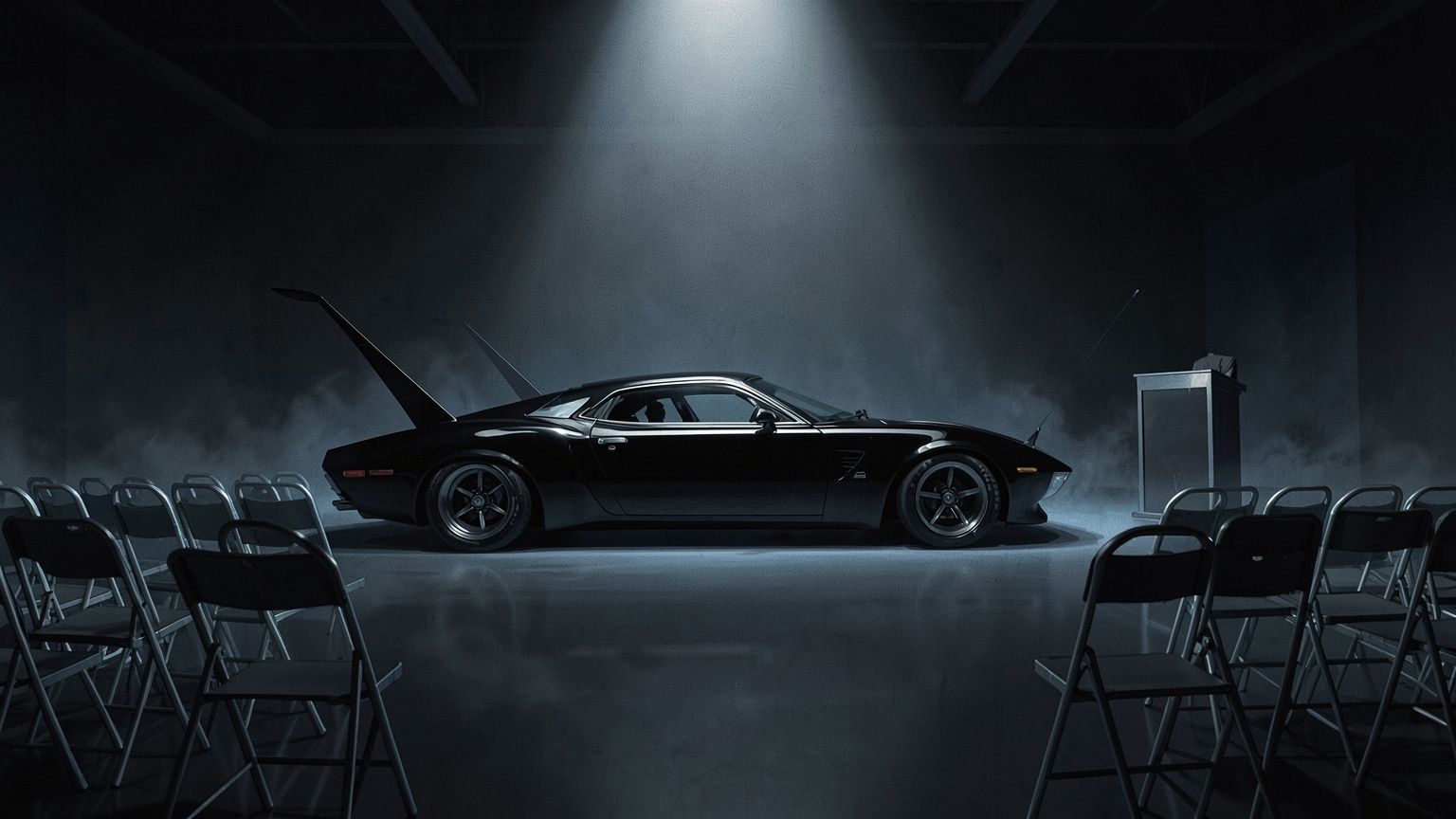
A Batmobile built for Tim Burton's "Batman Returns" goes up for bid Monday. Its presale estimate of $5 million to $7 million puts it within reach of the highest price ever paid at auction for any version of Batman's car.
Julien's Auctions is selling the car in Gardena, near Los Angeles, as the headline lot in a sale of Batman and other superhero memorabilia. Three custom versions were built for the 1992 film. According to the auction house, this one is known as the "Number One Hero car" and was used for most of the movie's driving sequences.
The record dates to 2013. That year, the Batmobile Adam West drove in the 1960s TV series sold for $4.6 million including fees. That car was George Barris' reworking of the Lincoln Futura concept, and it set a high bar. Any claim of a new record on Monday should be checked against that detail. The 2013 figure is an all-in price, so the fair comparison is the final total with buyer's fees included, not the hammer price.
What survives from the film
The car is glossy black, two sweeping tail fins rise at the rear, and it runs just under 20 feet long. Julien's says it still has its original paint and Chevrolet V-8. It also keeps the radio-controlled flaming exhaust from the scene where Michael Keaton's Batman scorches one of the Penguin's circus henchmen. After filming, the car spent years on display at the Marconi Automotive Museum in Tustin, California.
That originality is probably the strongest part of the sales pitch. Movie cars are often repainted, re-engined or rebuilt for promotional tours, and the effects hardware tends to disappear first. A hero car that still has its original paint and its signature gimmick is a much rarer object than a well-made replica. Collectors generally pay for that difference.
The film also matters. "Batman Returns" was Burton's sequel to his 1989 "Batman," with Keaton back in the cape, Danny DeVito as the Penguin and Michelle Pfeiffer as Catwoman. The Batmobile's long, sculpted look carried over from the first film, whose car was designed by production designer Anton Furst. Julien's credits Burton's "darker aesthetic" with shaping modern superhero movies. The auction house called the car "one of the most recognized and important cinematic vehicles in Hollywood history."
That is an auction house making its case, but it is not an empty boast. The brooding, gothic Gotham of Burton's two films set a tone that later Batman movies built on. The car on the block is one of the clearest physical pieces of that look still in existence.
A car that has to stay parked
The buyer should not expect to drive it. Julien's says the Batmobile is "not street legal." The engine and transmission have also been tested only a "limited number of times" since filming wrapped.
The bigger limits come from Warner Bros. Consumer Products Inc., which manages the intellectual property rights for DC Comics. Under an agreement with that company, the buyer needs approval before showing the car at special events. And the car "must remain stationary when exhibited to the public," the auction house said.
Those terms change what the winning bidder is actually buying. Many collector cars get driven onto concours lawns, paraded at shows or fired up for a crowd. This one comes with an IP holder's sign-off attached to its public life. That makes it closer to a rolling sculpture than a car.
For a museum or a collector who wants a centerpiece behind a velvet rope, that may not matter much. Anyone hoping to make an entrance in it is out of luck: the most famous thing this Batmobile did on screen was move, and the contract says it can't do that in front of an audience.
Sources
Serena Wu
Serena Wu covers vehicle safety, recalls, and the systems designed to help drivers avoid collisions. Her work follows official notices, safety ratings, and updates to driver assistance features. She explains which vehicles are affected, what published findings establish, and where limitations remain, giving readers clear context for automotive safety news.
View all stories