Toyota will unveil its first extended-range EV in China, and it looks like a Highlander
GAC Toyota will show the vehicle at the Guangzhou Motor Show on Nov. 27. Toyota hopes a gas-generator design can sidestep China's battery-EV price war.

· 4 min read
Key Takeaways
- GAC Toyota plans to reveal Toyota's first extended-range EV at the Guangzhou Motor Show on Nov. 27.
- Nikkei reported that Toyota aims to build 200,000 EREVs in 2027 and about 400,000 in 2028.
- Toyota's China sales fell about 19% in the first nine months of 2026, to just over 1.05 million vehicles.
Toyota is about to add a range extender to its lineup. GAC Toyota, the automaker's joint venture in China, will reveal Toyota's first extended-range electric vehicle at the Guangzhou Motor Show on Nov. 27. A teaser suggests the company picked a familiar nameplate for it.
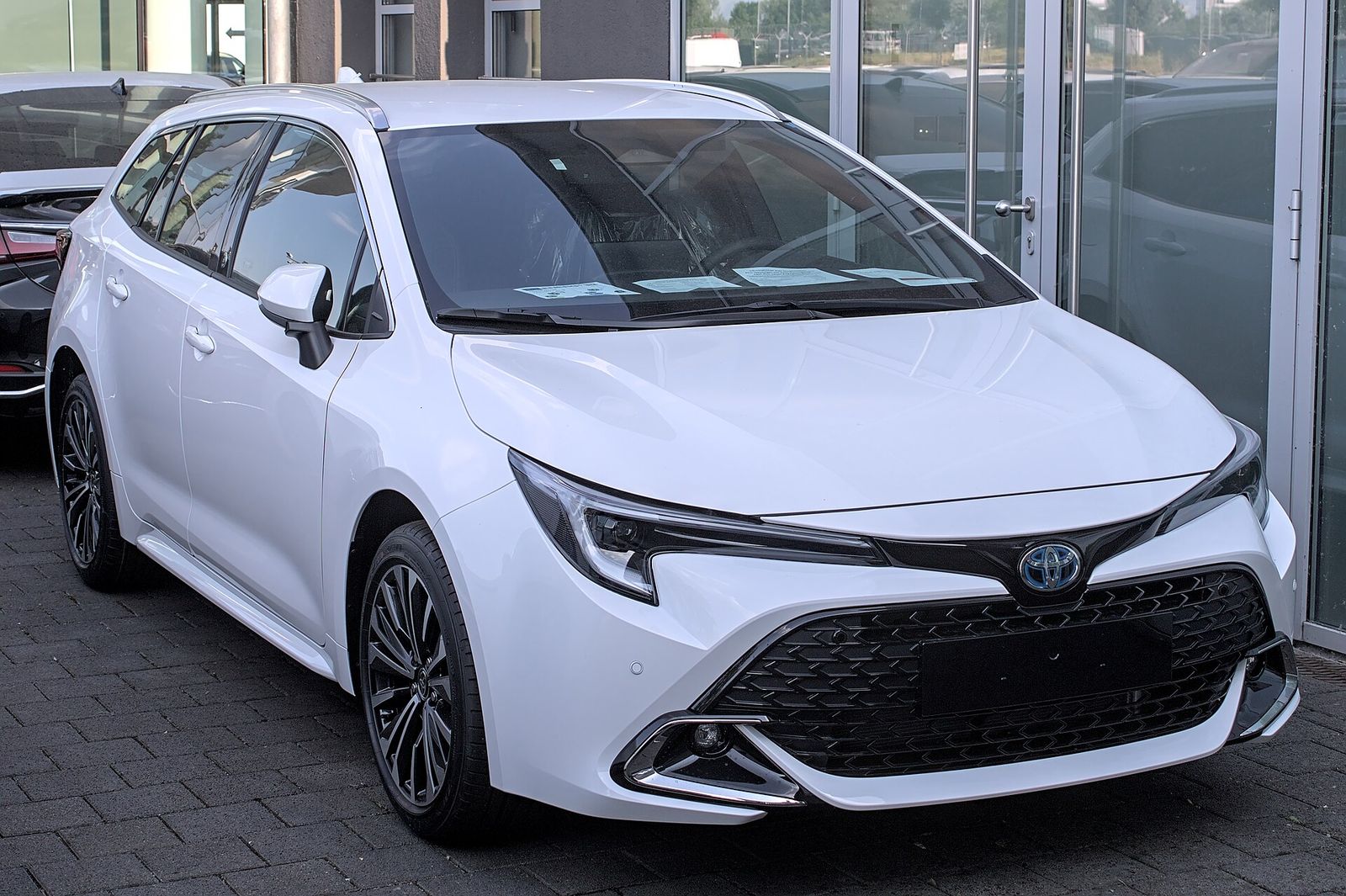
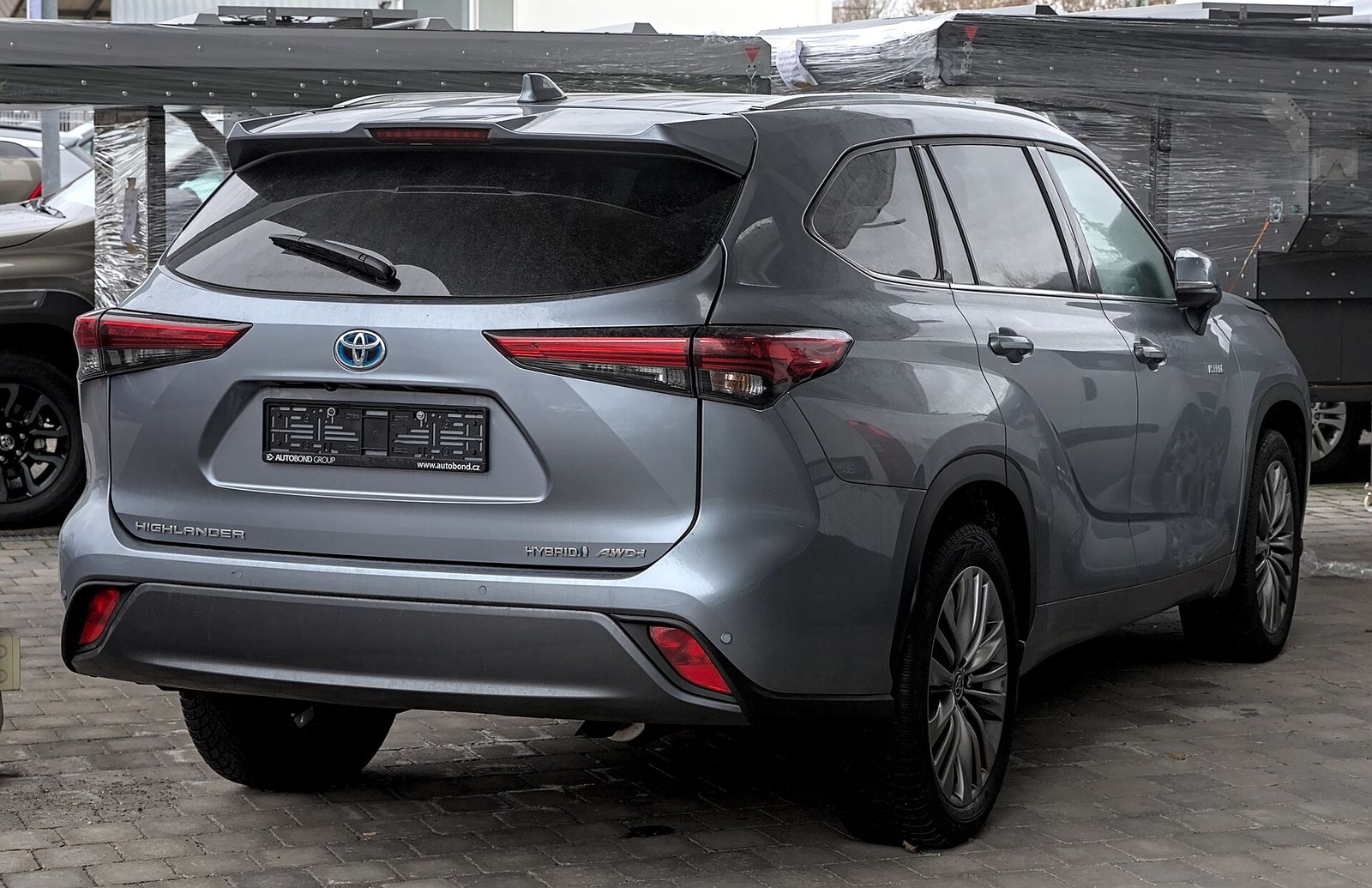
The joint venture posted a blurry preview on its Weibo account, captioned #Toyota doesn't rush but range-extended. Toyota hasn't confirmed a name. The vehicle in the image closely resembles the Highlander, though, and the accompanying text, translated into English, pitches a "Global flagship SUV." Another line reads: "Not a quick fix, but a range extender." Electrek concluded that the evidence points to a Highlander EREV.
That line about not rushing is a pointed bit of self-awareness. In China, Toyota is arriving at a party that domestic brands have been hosting for years.
An extended-range EV is driven by electric motors, like a battery-electric car. It also carries a gasoline engine whose only job is to work as a generator, topping up the battery when charge runs low so the vehicle can keep going. The battery is smaller than a pure EV's, and the engine is typically smaller than the one in a plug-in hybrid.
The trade-offs are clear. EREVs tend to be quieter than plug-in hybrids and often cheaper, but they use energy less efficiently than a pure EV. For buyers who worry about charging access on long trips, that compromise has proven appealing, and range extenders have become a major segment in China.
The new model would be Toyota's fifth type of electrified powertrain. The company's lineup already spans battery-electric vehicles, plug-in hybrids, conventional hybrids and hydrogen fuel-cell cars. For a brand that built its green reputation on the Prius hybrid in the late 1990s, adding a range extender looks less like a reversal than a fill-in of the one obvious gap in its toolkit.
The motivation is Toyota's sales slide in China. The company sold just over 1.05 million vehicles there in the first nine months of 2026, about 19% fewer than in the same period a year earlier. A recent monthly drop of nearly 20% marked the eighth straight month of year-over-year declines.
The pain is concentrated where Toyota has traditionally been strongest. The company said the Chinese market "remained weak due in part to rising gasoline prices," and that gas and hybrid vehicles were hit particularly hard. Brands such as BYD, Geely and Chery have been pulling buyers away from foreign automakers, and Toyota is far from the only one struggling to keep pace.
Nikkei reported in September that Toyota was preparing to begin EREV production in China in spring 2027. According to that report, Toyota aims to build 200,000 extended-range vehicles in 2027 and roughly double that, to about 400,000, in 2028. The Weibo teaser appears to confirm at least the first part of the report. The production targets remain Nikkei's reporting, not company announcements.
A Toyota executive quoted by Nikkei framed the move as a way out of a fight the company doesn't want. "Competition in China is intensifying as the market fixates on battery EVs, leading to price wars among automakers," the executive said, adding: "We need to take steps to avoid being dragged into that competition."
That reasoning holds up better than it might first appear. Toyota can't easily win a race to the bottom on battery-EV prices against domestic rivals with their own battery supply chains and lower costs. A large, three-row flagship SUV with a range extender gives it a product that can be sold at a premium. It also gives Toyota a chance to lean on the brand's reputation for durability rather than on a sticker price.
The bigger risk is timing. Chinese buyers already have many extended-range SUVs to choose from, and many of them come from companies that have refined the technology through several generations. A production start in spring 2027 means Toyota's entry will meet a crowded field. The 400,000-unit ambition for 2028 would require it to win share from established players, not just fill an empty niche. Toyota's dealer reach and reputation help, but the pricing, interior technology and electric range announced in Guangzhou will matter more.
Electrek expects the extended-range version to stay out of the United States. American shoppers will instead get a fully electric three-row Highlander, which Toyota plans to launch in early 2027.
That model will come in front-wheel-drive and all-wheel-drive versions with two battery options. The 77-kilowatt-hour pack is listed at up to 287 miles of range. The 95.8-kWh pack is listed at up to 320 miles in front-wheel-drive models. The basis for those figures wasn't specified. The electric Highlander seats up to seven and will be built at Toyota's plant in Georgetown, Kentucky.
The split strategy is telling. Toyota appears to be building powertrains for each market rather than forcing one global formula: a pure EV for the US, where it is localizing production, and a range extender for China, where gasoline prices and a cutthroat EV market have punished its usual offerings. The Guangzhou reveal on Nov. 27 should show whether the China version has the specifications to justify the premium Toyota appears to be counting on.
Sources
Harper Lawson
Harper Lawson writes about vehicle ownership costs, used car markets, and maintenance news. Her coverage follows price trends, repair expenses, service developments, and the factors affecting household transportation budgets. She explains reported costs and market comparisons, helping readers understand how depreciation, upkeep, and changing vehicle prices fit into the wider cost of driving.
View all stories