Toyota, Nissan and Honda will share parts standards to cut costs against Chinese rivals
Japan's biggest automakers will start with steel, plastics and wiring color codes, parts buyers never see, before moving to components across the whole car.
 By Serena Wu
· 4 min read
Toyota, Nissan and Honda have agreed to adopt common standards for some of the least visible materials in their cars, a cost-cutting move aimed at Chinese automakers that have become far more formidable competitors.
Koji Sato, chairman of the Japan Automobile Manufacturers Association and vice chairman of Toyota, announced the decision at a news conference in Tokyo this week. The first standards are expected to take effect next year, Automotive News reported.
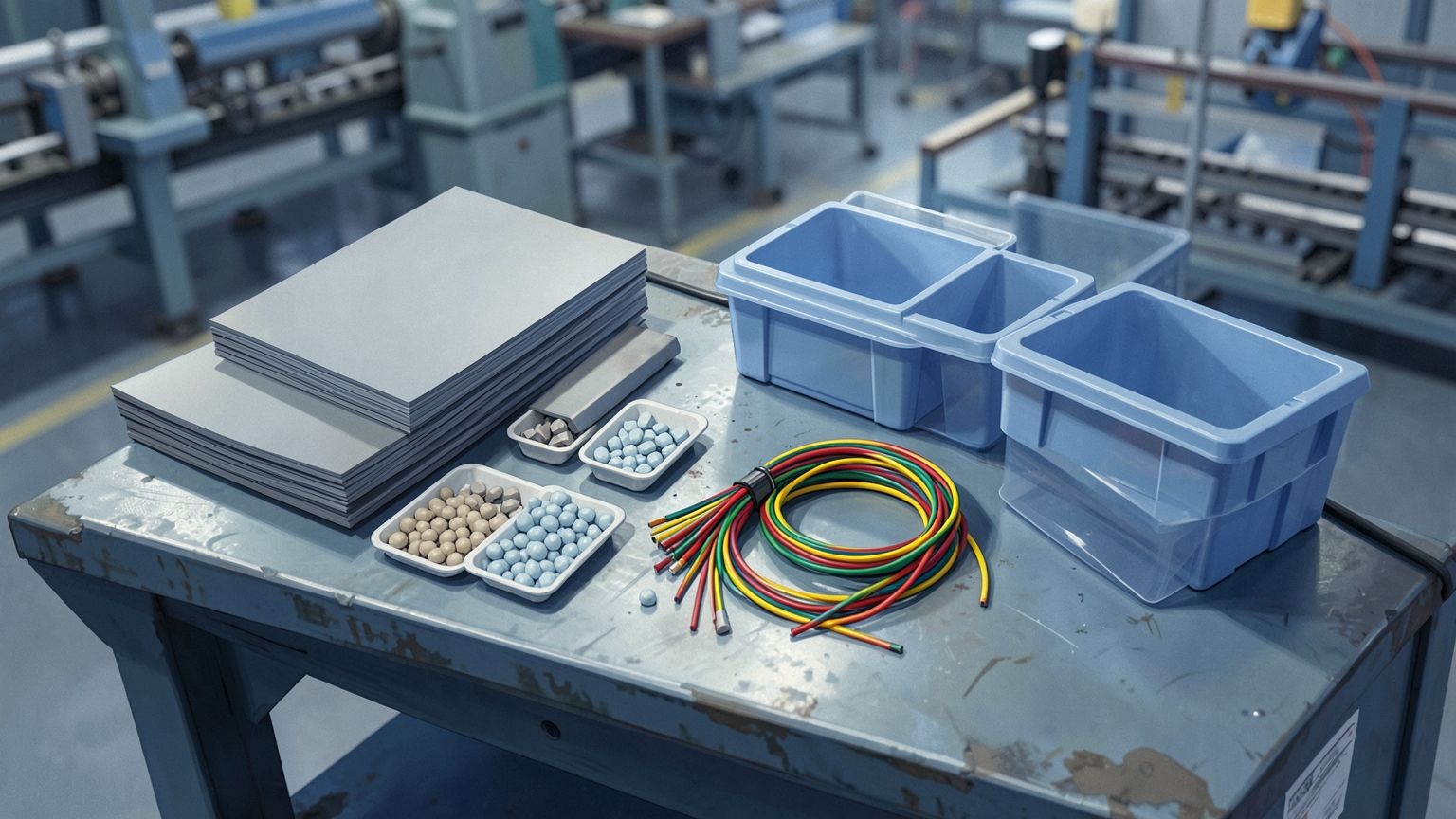
The opening phase covers three areas. The automakers will set unified quality criteria for steel, adopt consistent protocols for plastics and resins, and use one color-coding scheme for wiring harnesses, the bundles of wires that carry power and signals through a vehicle.
The three areas were picked for practical reasons. Buyers generally don't notice them, so standardizing them shouldn't blur what makes a Toyota feel different from a Honda. They also account for a large share of production costs, which means savings could show up quickly instead of years from now.
"We all share this strong sense of crisis, creating a momentum for change," Sato said.
That's an unusually blunt admission from the head of an industry group representing some of the world's most profitable carmakers. It frames the plan as defensive rather than opportunistic.
The starting list looks well chosen. Steel grades, resin formulas and wire colors are close to commodities, yet each automaker has traditionally written its own specifications. A supplier making wiring harnesses for three companies can end up running three slightly different versions of essentially the same product, with separate inventories, tooling and quality checks for each. Collapsing those into one standard removes duplication without asking any brand to give up a design or engineering signature. It's the kind of saving that doesn't require anyone to win an internal argument about identity.
"Based upon our sense of a crisis, we decided to choose these three areas," Sato said.
Suppliers will feel the change first. The initial standardization talks will involve Japan's domestic parts makers, with international suppliers to be brought in later. That sequencing makes sense. Japanese automakers have long worked with close, often brand-aligned supplier networks, and getting the home base aligned first gives the group a template before asking global vendors to retool.
A harder second phase
Over the long term, the manufacturers association plans to extend standardization to components covering the entire car. That's where the plan gets difficult, and where the real test lies.
Shared steel specs are easy to agree on because nobody shops for a car based on them. Shared components that drivers can see, touch or feel are another matter. The more the effort reaches into parts that shape how a car drives or looks, the more it will collide with each company's reasons for existing as a separate brand. How far the group pushes past the invisible stuff will show how seriously it takes the threat it describes.
The competitive pressure behind the effort extends beyond the three largest companies. Japan's seven automakers, Toyota, Nissan, Honda, Mazda, Subaru, Mitsubishi and Suzuki, are all working to hold off a growing field of Chinese manufacturers. Those rivals have gained ground with aggressive pricing and rapid product development, particularly in electric vehicles.
Cooperation among Japanese automakers has had mixed results before. Honda and Nissan explored a merger before calling off talks in early 2025, a reminder that tying these companies together is far easier on a whiteboard than in practice. A parts standard is a much smaller commitment than a merger, and that may be its main strength. It lets rivals share costs where nobody loses face while keeping their products, strategies and balance sheets apart.
What it means for buyers
Car shoppers in the U.S. shouldn't expect to notice anything. By design, the first wave targets materials buried inside the vehicle, and no brand's lineup should look or drive differently because its wiring follows a shared color code.
Lower sticker prices aren't the stated goal, either. According to the reporting, the automakers hope to redirect the money saved into new innovations. In other words, the savings are meant to fund the engineering race with Chinese rivals rather than to reach buyers as discounts. Whether that spending produces better cars is the question the plan will ultimately be judged on.
The plan is sensible but modest. Standardizing steel, plastic and wire colors trims costs at the margins. It doesn't close a gap built on battery technology, software and development speed. Next year's first standards will show the companies can cooperate. The harder proof will come when the group tries to share parts that customers can actually see.
Sources
Serena Wu
Serena Wu covers vehicle safety, recalls, and the systems designed to help drivers avoid collisions. Her work follows official notices, safety ratings, and updates to driver assistance features. She explains which vehicles are affected, what published findings establish, and where limitations remain, giving readers clear context for automotive safety news.
View all stories