Waymo pulls its robotaxis off U.S. freeways after California safety ban
Driverless rides on highways are paused nationwide after cars entered construction zones and tried to pass police. City-street service continues.

· 4 min read
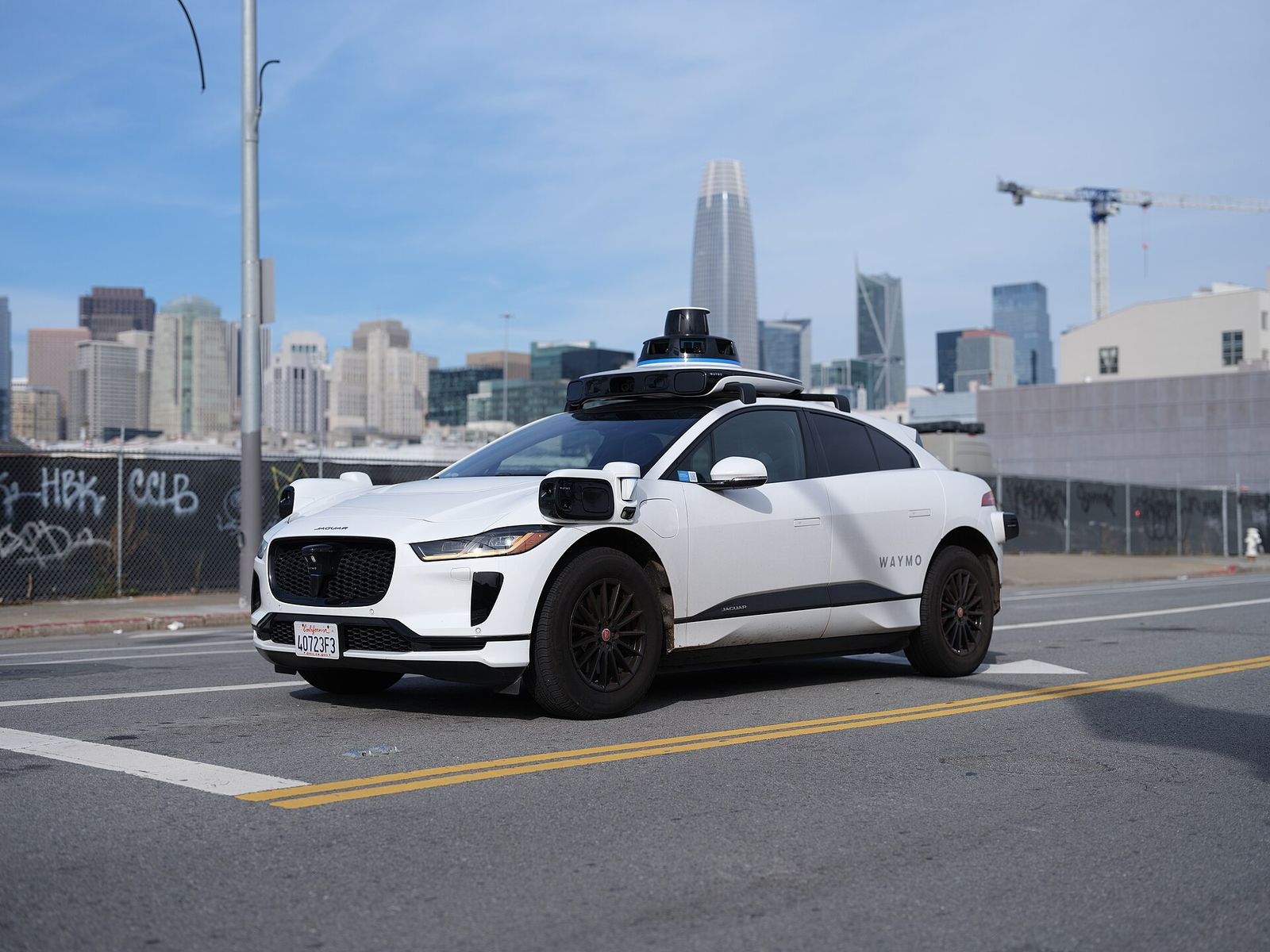
Waymo has suspended commercial robotaxi service on freeways across the United States. The nationwide pause comes days after California regulators banned its driverless cars from the state's highways over repeated problems in construction zones.
The company's cars will keep running on city streets, including in Denver, Las Vegas and Dallas. Waymo is also continuing highway testing, but with trained human specialists behind the wheel rather than with no one in the driver's seat. For riders, that means the service still works in its markets, but paid driverless trips on freeways are off the table for now.
The California Department of Motor Vehicles acted earlier this week after two widely seen incidents in early November. On Nov. 5, three Waymo robotaxis drove into a construction zone. The next day, video surfaced of a white Waymo Jaguar I-Pace on a San Francisco freeway trying to get past two police cruisers. The officers had to cut sharply in front of the driverless car to bring it to a stop.
DMV spokesperson Jonathan Groveman said the department concluded that Waymo's driverless freeway operations "pose an imminent hazard to public safety due to recurring incursions by its vehicles into active construction zones." He added that workers, vehicles and equipment were present in those zones.
The word "recurring" carries the most weight in that statement. Regulators were not reacting to one strange glitch. They described a pattern, and an "imminent hazard" finding is a strong reason to pull a service immediately instead of waiting for a fix. It is not clear whether paying passengers were aboard during the construction-zone or police incidents.
Waymo's decision to stop freeway service everywhere, not just in California, is the most telling part of the story. A state-by-state shutdown would suggest a local problem, such as unusual road layouts or one region's work-zone practices. A national pause looks like an acknowledgment that the weakness sits in software shared by the whole fleet, and that a car confused by cones and flashing lights in San Francisco could be confused the same way in Texas or Arizona.
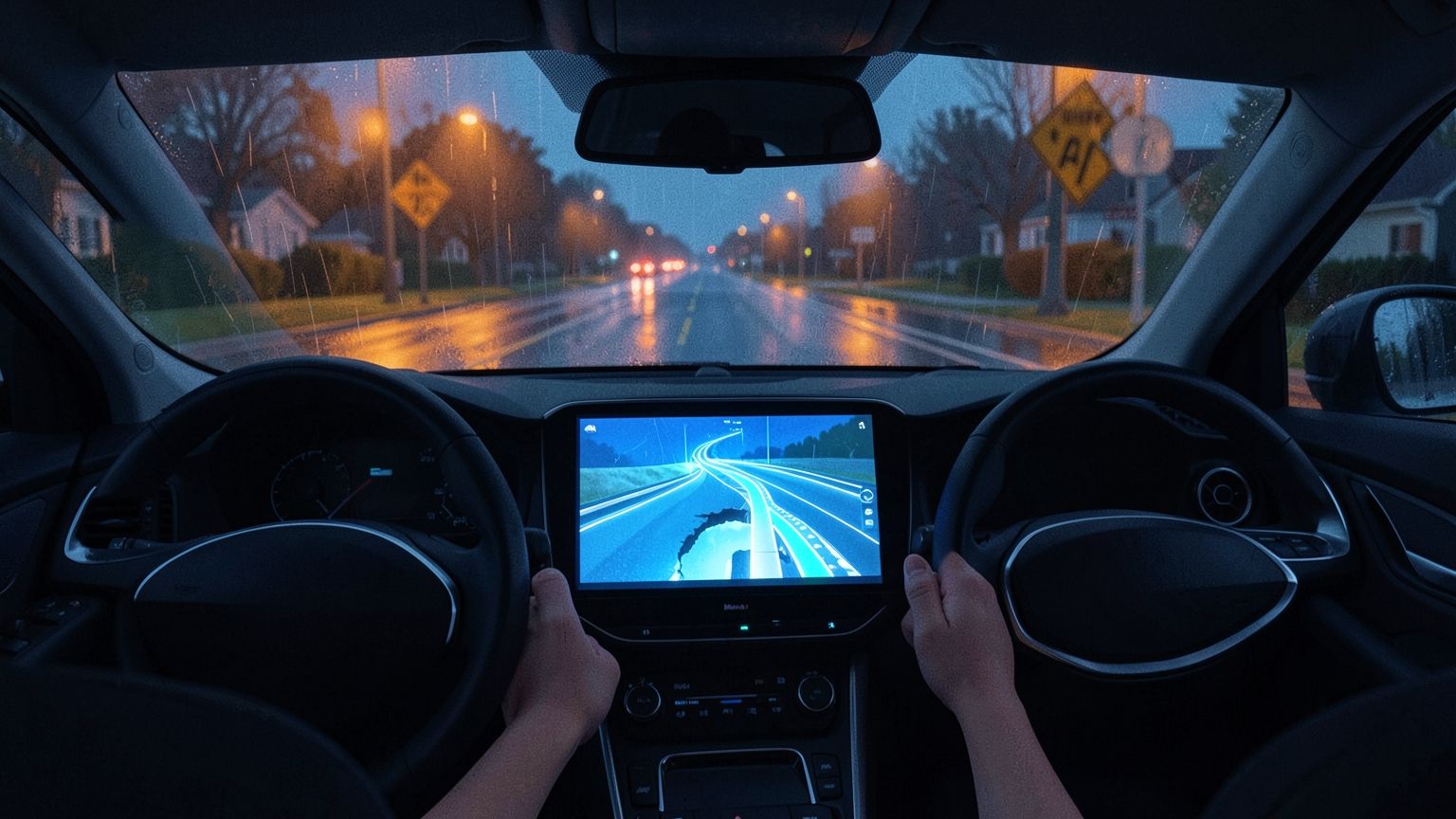
Construction zones and emergency vehicles are not the only situations tripping up the cars. Heavy rain hit the San Francisco Bay Area earlier this week and caused flash flooding. Video posted on social media showed a Waymo I-Pace stalled in the middle of a flooded road and a Zeekr-built robotaxi stuck at an intersection. Waymo temporarily halted service until conditions improved.
Water has been a problem for months. In April, a Waymo robotaxi drove onto a submerged road in San Antonio and was swept into a creek. In May, another drove into a flooded street in Atlanta and became stranded. Waymo followed with a recall covering almost 4,000 robotaxis across the country. This week's Bay Area footage suggests that recall did not fully solve the problem, even if pausing service during the storm kept things from getting worse.
What connects the floods, the work zones and the police encounter is that none of them fits the clean, mapped, rule-following world where autonomous systems perform best. Human drivers deal with a lane closed by cones, a cruiser weaving to clear traffic or water of unknown depth by reading informal cues and reacting cautiously. These are exactly the rare but predictable situations where a driverless system has to be close to perfect, because the people nearby, whether road crews, police officers or other drivers, have no way of knowing whether the car understands what is happening.
Freeways magnify each of those failures. At city speeds, a robotaxi that gets confused can usually stop and wait. At highway speeds, the same hesitation or wrong move leaves much less room, and the people most exposed are workers standing a few feet from live traffic. That makes the California DMV's focus on construction crews easy to understand, and it makes Waymo's choice to keep safety drivers in its highway test cars the right call.
The setback also affects how quickly the industry can grow. Freeway access is what turns a robotaxi from a neighborhood shuttle into a practical way to reach airports and suburbs, and it is where long, high-fare trips happen. Losing it, even temporarily, limits Waymo to the slower, denser urban driving where it built its reputation. Waymo, the self-driving unit of Google's parent company Alphabet, has generally been seen as the furthest ahead of U.S. robotaxi operators. That makes this retreat a sobering sign of how far the technology still has to go.
The clearest signal of when driverless freeway rides might return will be how the company's test cars, with specialists at the wheel, handle the same work zones and emergency stops that forced the shutdown.
Sources
Harper Lawson
Harper Lawson writes about vehicle ownership costs, used car markets, and maintenance news. Her coverage follows price trends, repair expenses, service developments, and the factors affecting household transportation budgets. She explains reported costs and market comparisons, helping readers understand how depreciation, upkeep, and changing vehicle prices fit into the wider cost of driving.
View all stories