Waymo pulls robotaxis off freeways nationwide after California ban
California's DMV called Waymo's driverless highway service an imminent hazard after repeated incursions into construction zones. City-street rides continue.
 By Serena Wu
· 5 min read
Key Takeaways
- California's DMV ordered Waymo off state highways on Nov. 11, citing repeated incursions into active construction zones
- Waymo then suspended freeway rides in every U.S. market, not only California
- NHTSA says it is in touch with Waymo and the DMV and will act further if needed
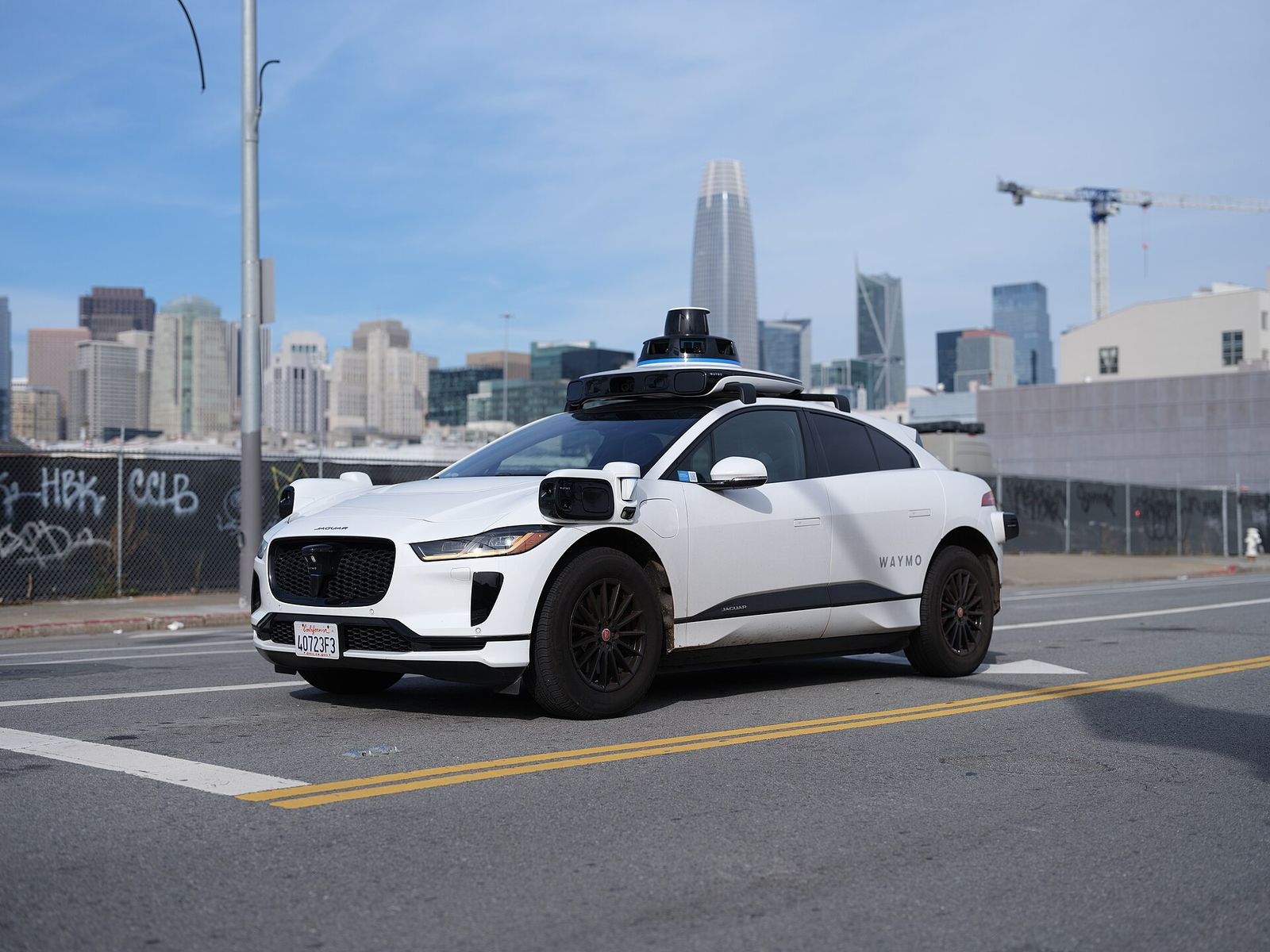
Waymo has taken its driverless cars off freeways in every U.S. market it serves. The move follows a California order that bars its robotaxis from state highways after regulators concluded the service posed an "imminent hazard to public safety."
The California Department of Motor Vehicles issued the order Nov. 11. It became public Tuesday, when Waymo said it had extended the restriction on its own to its other markets. Rides on surface streets are running as usual everywhere the company operates.
"Notably, this only extends to our freeway service, and we're working to quickly and safely re-open freeway routing," a Waymo spokesperson said.
What the DMV says went wrong
The DMV pointed to two San Francisco-area freeway incidents. In one, earlier this month, a Waymo vehicle tried to get past California Highway Patrol officers who were running a traffic break, the maneuver in which patrol cars slow traffic behind them, often so crews can work ahead. In the other, three Waymo vehicles drove into an active construction closure on a different highway.
Video of the first incident spread widely online last week. It shows two patrol cars with lights flashing, spread across Interstate 280 behind a construction vehicle, while a Waymo car moves quickly in the far left lane. One officer speeds up and cuts in front of the robotaxi, which then swerves and slows. Electrek noted that one media account suggested the person who posted the clip may have sped it up, so the footage may make the car look more aggressive than it was.
The DMV's case does not depend on that clip, though. The agency cited "recurring incursions" into active construction zones "where construction workers, vehicles and equipment are present." It said it had imposed similar restrictions earlier this year after similar incidents. According to Electrek, the DMV said Waymo had taken corrective steps after those earlier episodes, yet the incursions continued.
That detail matters more than any viral video. A one-off mistake can be fixed with a software patch and a promise. A second round of the same kind of failure, after a fix was already in place, is what pushes a regulator to use words like "imminent hazard." The order stays in effect until Waymo shows the DMV that its corrective actions actually work, and neither the company nor the agency has given a timeline.
Waymo's response and the national picture
Waymo said the construction-zone encounters, which it placed on U.S. 101, caused no injuries or collisions, and that it is complying with the order. In a statement to Electrek, the company said it had restricted freeway driving in its other markets "to evaluate our performance" and is working with California and other state officials to bring highway service back.
The National Highway Traffic Safety Administration, the federal auto safety regulator, said it is in contact with both Waymo and the DMV and will "take additional actions as appropriate." That stops short of announcing an investigation. Still, it means the matter is no longer only California's to handle.
Pausing everywhere looks like the right call, and probably the shrewd one. The software that confused a highway patrol traffic break in Northern California is the same software driving freeways in other states. Leaving it running elsewhere would have invited other regulators to act on their own timetables. A voluntary pause lets Waymo say it acted first instead of waiting for state-by-state orders.
The "no injuries or collisions" defense is weaker than it sounds. Construction zones are among the most dangerous places on a highway for the people working in them. A driverless car entering a closed lane at freeway speed is the kind of event regulators want to stop before it hurts someone, not after. Pointing to the absence of a crash doesn't address why the cars keep ending up where they shouldn't be.
The failure itself also says something about the limits of the technology. Lane closures, cones, flaggers and patrol cars weaving across lanes to slow traffic are improvised, human-run situations. They change from day to day and rarely look the same twice. Interpreting a police officer's intent from how a patrol car is moving is easy for most human drivers and evidently still hard for a robot.
Why freeways were a big step for Waymo
Waymo, which is owned by Google parent Alphabet, took an unusual path to the highway. Most automakers rolled out driver-assistance features on freeways first, where traffic is faster but far more predictable. Waymo began with dense city streets and added highway rides only late last year, in a limited number of markets, after years of testing that typically used safety drivers and carried no paying riders.
Freeway routing made the service much more useful. On corridors such as I-280 through Silicon Valley, highway access sharply cut ride times, according to Electrek. Riders in those areas will now get slower surface-street routes until the restriction lifts. Some trips may take long enough that a human-driven ride-hail looks like the better option.
The pause hits at a time when Waymo has been growing quickly. It operates in more than a dozen U.S. markets and added another 250 square miles of coverage last month. The company says its service completes more than half a million trips a week. Waymo also says its vehicles have prevented 841 injuries over 271 million miles of driving.
Waymo's vehicles run with no one in the driver's seat around the clock, but only inside mapped service areas. That makes them Level 4 autonomy, a step above the Level 2 driver-assistance systems on most consumer cars, which still require an attentive human behind the wheel.
That gap is why the company's competitors will watch this closely. Tesla and others are pushing their own driverless ambitions, and Waymo has been the clear industry leader. If the most experienced operator can't keep its cars out of highway work zones, regulators will expect any newcomer to prove it can do better before letting it onto the freeway at all.
For now, the next step belongs to Waymo: it has to show the California DMV a fix that holds this time, after an earlier one didn't.
Sources
Serena Wu
Serena Wu covers vehicle safety, recalls, and the systems designed to help drivers avoid collisions. Her work follows official notices, safety ratings, and updates to driver assistance features. She explains which vehicles are affected, what published findings establish, and where limitations remain, giving readers clear context for automotive safety news.
View all stories