BepiColombo's 37-minute burn aims to put two probes in orbit around Mercury
After eight years and nine planetary flybys, the European-Japanese mission's arrival begins a long setup. Science observations are not scheduled to start until April 2027.
· 5 min read
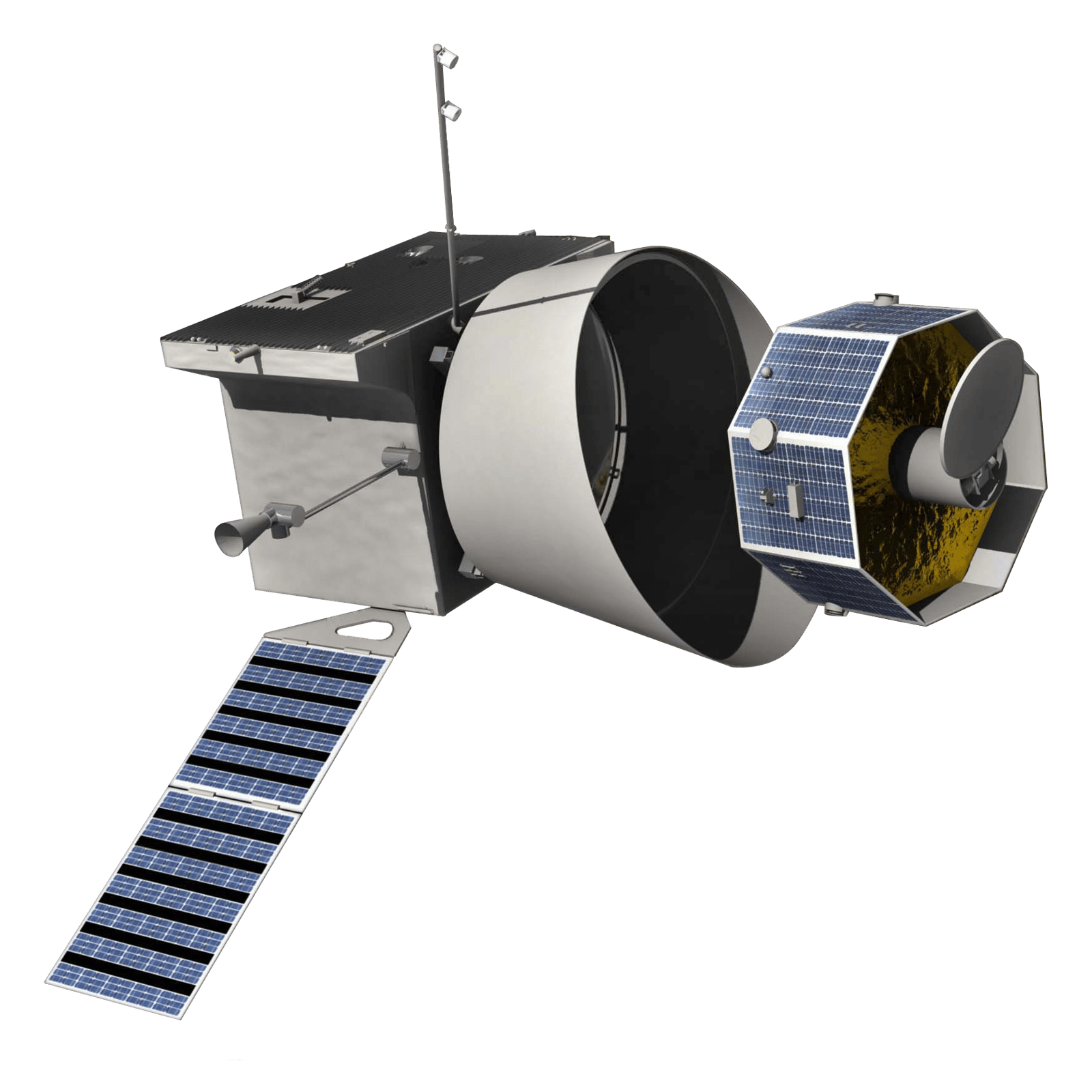
The European-Japanese BepiColombo mission was scheduled to fire its engine for 37 minutes on Saturday, Nov. 21, to drop into orbit around Mercury. The burn was planned to begin at 1:24 p.m. EST (1824 GMT), more than eight years after the spacecraft left Earth.
The reports available at publication describe the maneuver as planned, not as completed. Mission controllers at the European Space Agency had already sent the commands. ESA's operations team said on Bluesky that the spacecraft was ready and that it would post live updates during the insertion.
If the maneuver works, BepiColombo will be only the second mission ever to orbit the smallest planet. The first was NASA's MESSENGER, which ended its mission in 2015. Before BepiColombo, Mariner 10 and MESSENGER were the only spacecraft to visit Mercury at all, and Mercury remains the least understood of the four rocky inner planets.
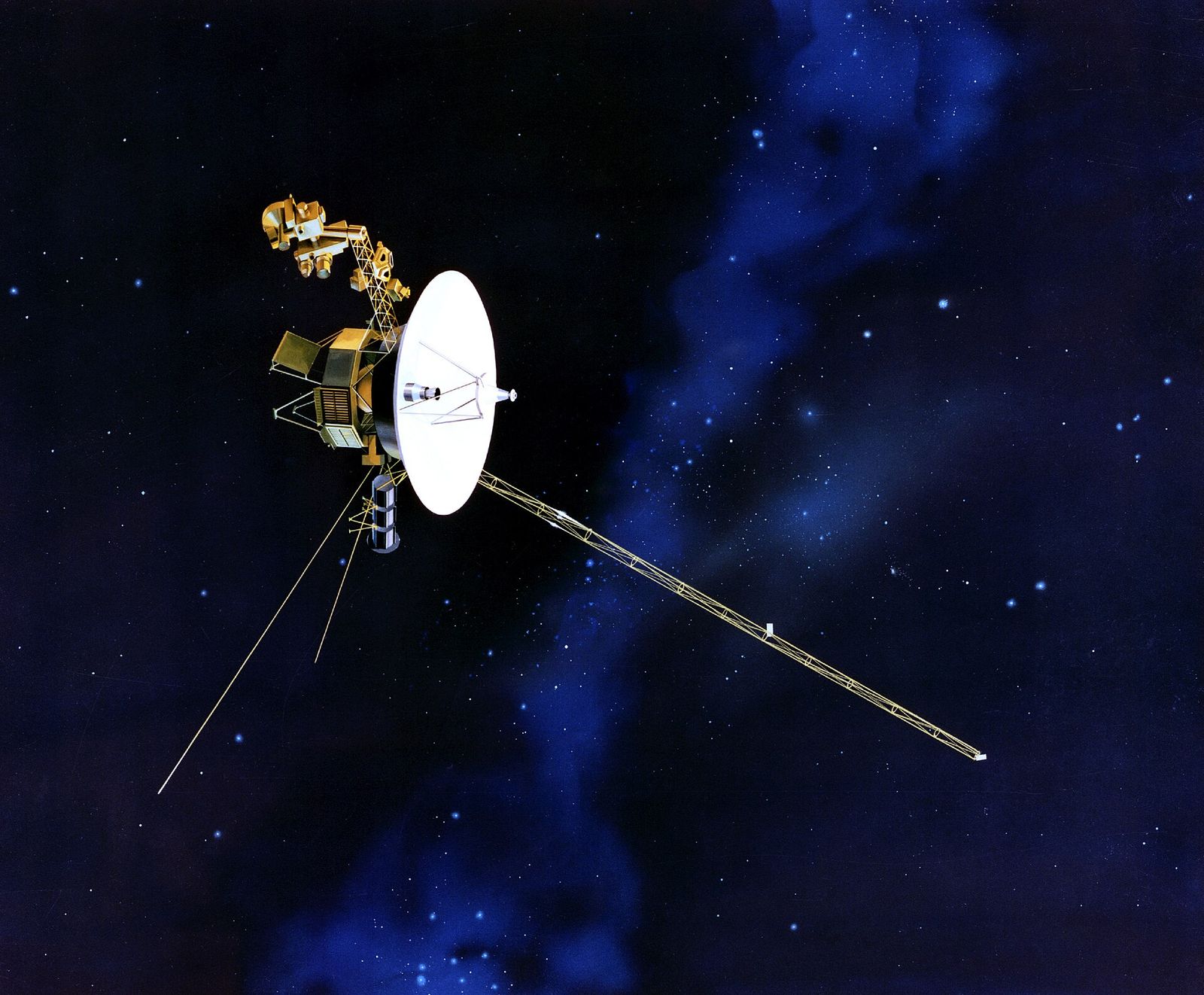
BepiColombo is really two science spacecraft traveling as one. ESA built the Mercury Planetary Orbiter, or MPO. The Japan Aerospace Exploration Agency built the Mercury Magnetospheric Orbiter, called Mio. An Ariane 5 rocket launched both from Kourou, French Guiana, on Oct. 20, 2018. They flew with a propulsion and power stage, the Mercury Transfer Module, which pushed them through the inner solar system.
The route was long because of a counterintuitive problem. A spacecraft falling toward the sun speeds up as it goes, and Mercury's gravity is too weak to catch something moving that fast. To slow down enough, BepiColombo used gravity to brake during flybys: one of Earth in April 2020, two of Venus in 2020 and 2021, and six of Mercury between October 2021 and January 2025.
The mission's name fits that strategy. It honors the Italian scientist Giuseppe "Bepi" Colombo, who helped design the gravity-assist path that took Mariner 10 past Mercury more than once in the 1970s.
The trip was originally planned to take about seven years. It grew by a year after a problem with the solar panels reduced the power available to the transfer module's electric thrusters. A delay like that is a real cost for a mission whose hardware has been exposed to intense heat near the sun since 2018. Still, engineers redesigned the approach instead of losing the mission, and the spacecraft reached its arrival phase intact. That counts as a solid recovery.
That arrival phase began on Sept. 3, when the transfer module released the two orbiters. Saturday's burn is the second major step in a sequence that is expected to take about six months.
Reaching orbit does not mean Mercury science begins right away. MPO and Mio remain attached to each other and will separate around Dec. 9. Shortly after that, Mio will settle into its working orbit, a highly elongated path that crosses over Mercury's poles.
MPO will need more time. ESA's orbiter will fire its engines several times to reach a polar orbit that is much closer to circular than Mio's, and it is expected to get there on March 10, 2027. Science operations are scheduled to begin on April 6, 2027. The mission plans to spend at least a year observing the planet.
This staged approach makes Saturday less a finish line than the start of a delicate handoff. Each separation and orbit-shaping burn is another chance for something to go wrong, and the payoff for eight years of cruising will not come until spring.
The two-orbiter design is the main reason scientists put up with that complexity. MPO is built to study the planet itself. Mio focuses on the space environment around it. Together they can take measurements from two places at the same time, which a single spacecraft such as MESSENGER could not do.
That matters most for Mercury's magnetic field. The field constantly reacts to a strong and gusty solar wind, so a single probe has trouble telling whether a change it records reflects movement in space or movement over time. Two probes moving through different parts of the magnetosphere should help separate those effects.
ESA's mission description covers almost everything about the planet, from its magnetosphere and its interaction with the solar wind to its interior and "the origin of the planet's magnetic field." Mercury's unusually large iron core is one target. A planet this small should have cooled down long ago, so the fact that it still generates a global magnetic field is a puzzle.
The orbiters' instruments are also designed to map the minerals and chemical elements on Mercury's surface and to search the polar regions for ice. MESSENGER found strong evidence for water ice in permanently shadowed craters near the poles, so BepiColombo's work there amounts to a sharper second look.
The team will also compare its images with MESSENGER's to see whether anything on the surface has changed in the decade or so since the NASA probe was there. That may be the most interesting test of the mission. Mercury is often treated as a dead world, and any confirmed change would challenge that picture.
ESA presents the broader goal as understanding how a planet forms and changes so close to its star. That question applies well beyond the solar system, since many of the planets found around other stars orbit very close to them. Mercury is the nearest example scientists can actually visit.
For now, the important milestones are near-term and mechanical: a successful 37-minute burn, a clean separation in December and MPO's arrival in its final orbit in March. Each one has to go right before the first science data arrives in April 2027.
Sources
Felix Rodriguez
Felix Rodriguez covers Earth science, climate research, and the processes that shape the planet. His work follows findings about rocks, oceans, atmospheric systems, and environmental change. He focuses on explaining timescales, measurement methods, and the relationship between individual studies and the wider evidence, helping readers interpret developments across interconnected fields.
View all stories