Hyundai's radically restyled Elantra reaches the US, but its best powertrain comes later
The 2027 compact sedan keeps a 147-hp base engine. A stronger hybrid follows as a 2028 model, and Hyundai has yet to say what either will cost.

· 5 min read
Key Takeaways
- The 2027 Elantra carries over a 147-hp 2.0-liter engine and CVT
- The 2028 Elantra Hybrid gains 16 hp, to 155, with an estimated 53 mpg combined
- Hyundai has not announced pricing or a new Elantra N
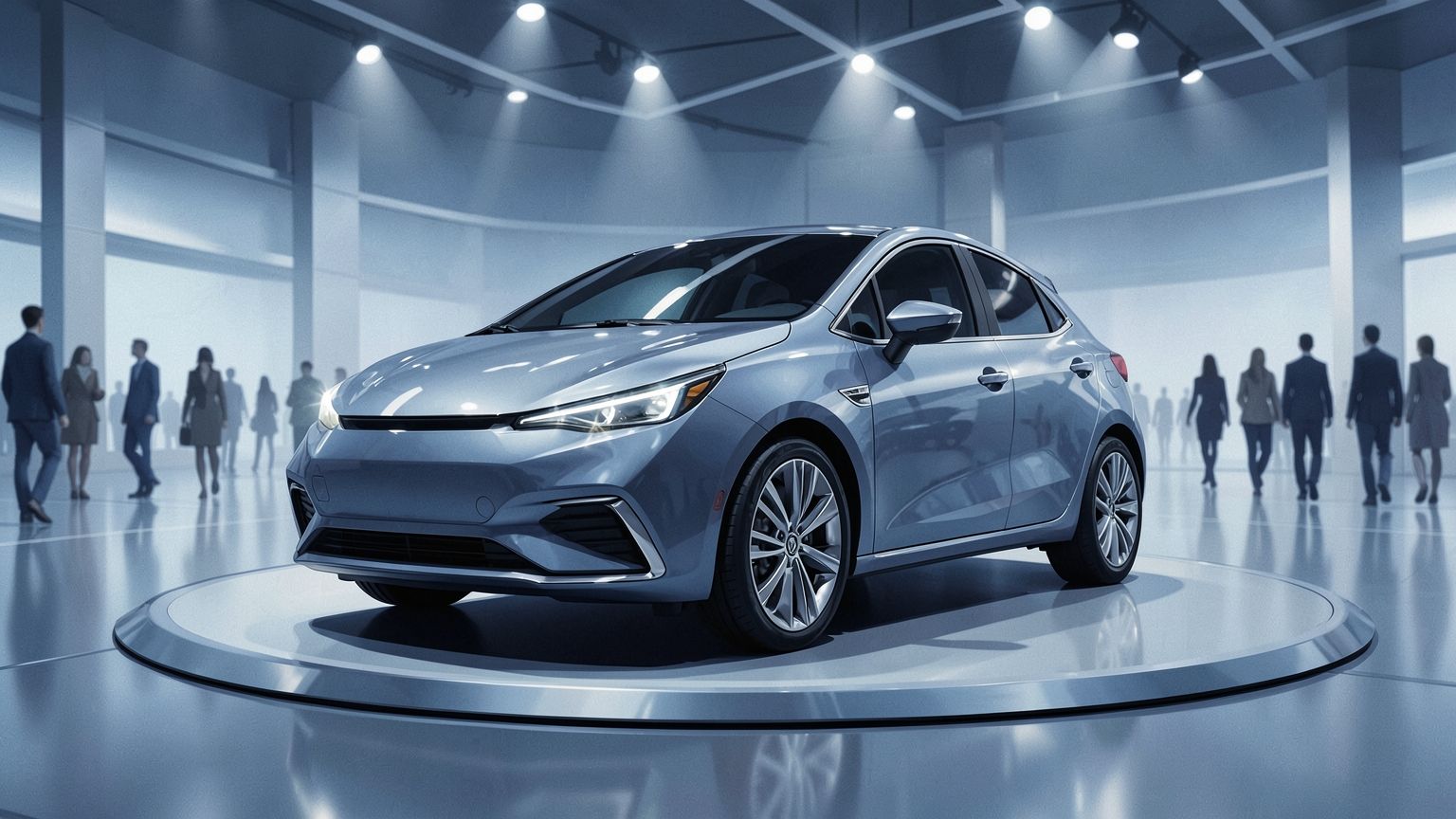
Hyundai brought the eighth-generation Elantra to the Los Angeles Auto Show on Nov. 19. The U.S. version carries the sharp, angular styling the company first showed overseas, a longer wheelbase and a more upscale cabin. Under the hood, though, the 2027 model is mostly familiar, and the more interesting powertrain won't arrive until a 2028 Elantra Hybrid goes on sale later.
The design is not a surprise. Hyundai previewed it in June with the Korea-spec Avante, and the American car looks nearly identical. It features angular lighting, deeply creased bodywork and futuristic trim that set it far apart from the conservative shapes common among mainstream compact sedans. Hyundai took a similar gamble with the 2027 Tucson, its best-selling U.S. model, and it is now applying that approach to one of its cheapest cars.
That is a bold move in a segment where buyers often choose on price and reliability rather than looks. The bet makes some sense: in a shrinking sedan market, a car that stands out in a parking lot has a better chance of pulling shoppers away from crossovers than another anonymous four-door. The risk is that styling this aggressive can age quickly, and compact sedans tend to stay in showrooms for years between redesigns.
The standard 2027 Elantra keeps a 2.0-liter four-cylinder rated at 147 horsepower, paired with a continuously variable automatic transmission. It uses a twist-beam rear suspension. That output is adequate for commuting, but it does little to match the excitement of the new exterior.
The 2028 Elantra Hybrid makes the bigger technical changes. Its 1.6-liter four-cylinder and electric motors now produce a combined 155 horsepower, 16 more than before. Hyundai estimates fuel economy of up to 53 mpg combined, 1 mpg below the best combined rating of the outgoing hybrid. The hybrid also gets a multilink rear suspension, which should give it a more composed ride than the gas model.
Giving up a single mpg for more power and a more sophisticated rear suspension looks like a reasonable trade. Still, the gap between the two versions means the most appealing Elantra is also the one buyers will have to wait for. It is also expected to cost more.
Trims for the 2027 car are SE, SEL Sport and Limited. The hybrid lineup follows a similar structure, with the base model called the SE Blue.
Hyundai lengthened the wheelbase by 1.2 inches, and most of that space went to the back seat. Rear legroom is 39.1 inches and rear headroom is 37.7 inches. For a compact sedan that often serves as a family's only car, extra rear-seat room is a practical improvement that most buyers will notice.
Every Elantra gets a 12.9-inch touchscreen mounted high in the center of the dashboard. Hyundai kept physical controls for the climate system, a sensible choice at a time when many automakers move basic functions into touchscreen menus. An optional slim digital gauge cluster sits low near the base of the windshield.
The infotainment system is Hyundai's newer Pleos Connect, which runs on Android Automotive OS. The company says it understands more natural voice commands. Options include dual wireless charging pads and a Bang & Olufsen audio system. Car and Driver, which sat in a top-trim Limited, said its materials were nicer than expected for the class. That matters because Hyundai's competitors have been under pressure to cut interior costs.
Olabisi Boyle of Hyundai framed the car's mission during the presentation, saying the most radical thing the company can do is build a great car people can actually afford.
That pitch makes Hyundai's silence on pricing hard to overlook. The company did not announce what either version will cost. The outgoing Elantra is among the most affordable new cars on the market. Car and Driver said it hopes the new model starts not much above $25,000, with the hybrid a few thousand dollars higher, but that is the magazine's expectation, not a Hyundai figure.
Until Hyundai gives a sticker price, the affordability message is mostly a promise. A redesign with a bigger screen, more space and nicer materials usually costs more to build. Whether Hyundai absorbs that cost or passes it to buyers will decide whether the new Elantra keeps its reputation as a value pick.
Enthusiasts also got nothing about performance. The previous generation offered a turbocharged engine in the N Line and a high-performance Elantra N, but Hyundai did not mention a sporty version of the new car. Car and Driver said it assumes an Elantra N will eventually return. For now, the lineup consists of the 147-hp gas car and the hybrid.
Hyundai and Kia stayed with sedans after Ford and General Motors dropped most of their cars in favor of more profitable trucks and crossovers. Figures shown at the presentation put sedans at 23% of Hyundai's total sales, with the U.S. accounting for 30% of the brand's global sales. The Elantra is sold in more than 100 markets.
Sam Abuelsamid, an analyst at Telemetry, told Carscoops the segment has shrunk but remains healthy. "The sedan market isn't where it was a decade ago. It's still a robust market," he said, adding that Kia and Hyundai sedan sales are up.
That gives the Elantra a clear opening. With fewer domestic rivals, the compact sedan field comes down largely to Hyundai, Kia and the Japanese automakers. A distinctive design and a strong hybrid could help Hyundai stand out there. The Elantra was effectively the only major debut of the show. Genesis, Hyundai's luxury brand, revealed its first hybrids, versions of the GV80 and G80, at a separate event in Los Angeles the night before.
The 2027 Elantra arrives first, and the hybrid follows as a 2028 model. The next important date is the pricing announcement, which will show whether the new design and better cabin came with a significantly higher price.
Sources
Dominic Price
Dominic Price writes about new cars, pickup trucks, and SUVs, following model announcements and changes across vehicle lineups. His coverage connects pricing, dimensions, powertrains, and equipment with the choices facing buyers. He puts published specifications in context and explains differences between models, making crowded launch calendars and trim descriptions easier to follow.
View all stories