ULA's Vulcan rocket fails in flight, losing 40 Amazon Leo satellites
The loss came on the first of 38 Vulcan launches Amazon bought for its Starlink rival. ULA has not yet identified the cause.

· 4 min read
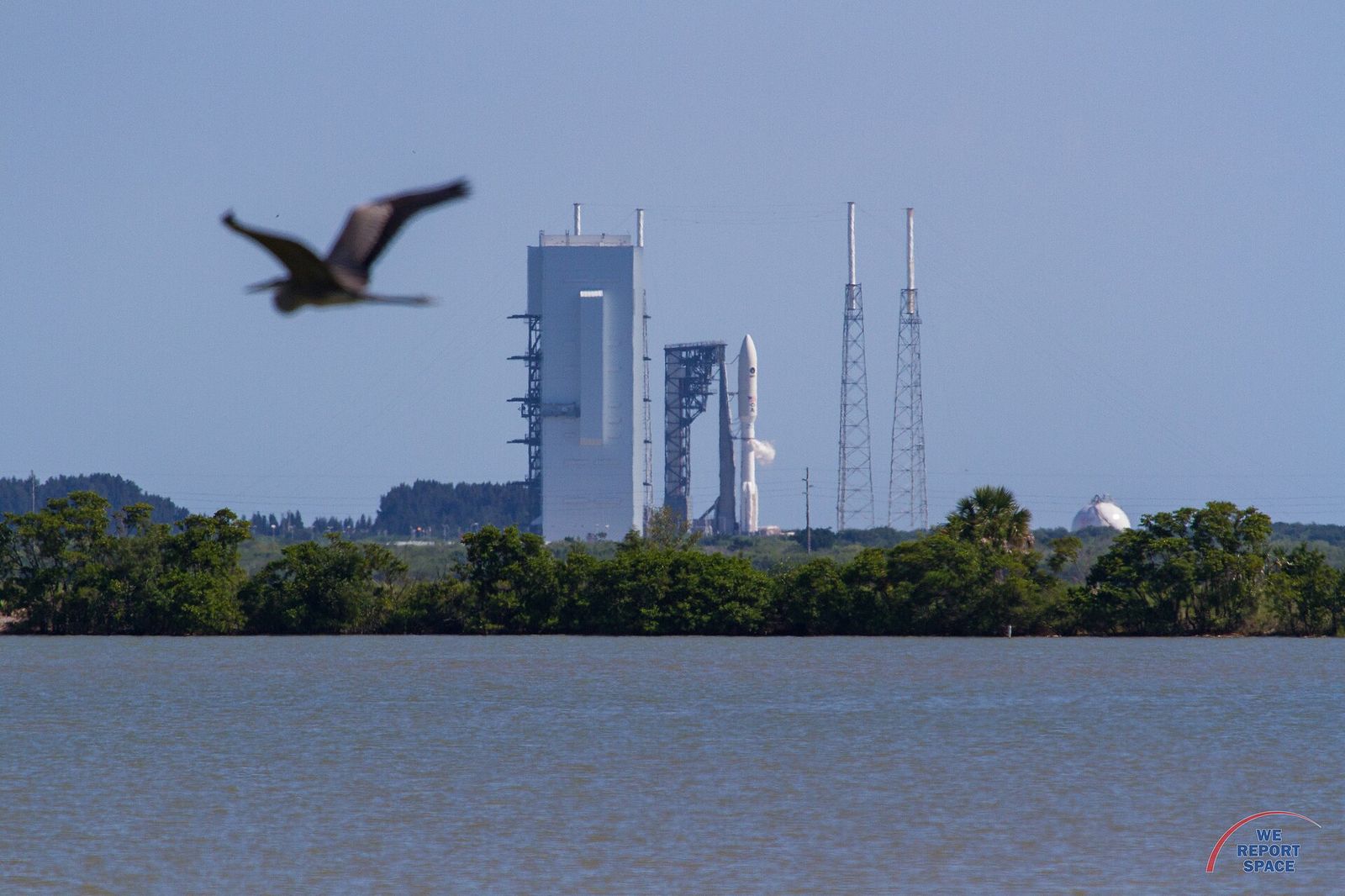
A United Launch Alliance Vulcan rocket failed to reach orbit on Nov. 15 and destroyed the 40 Amazon Leo internet satellites it carried. The rocket lifted off from Space Launch Complex 41 at Cape Canaveral, Florida, and ran into trouble about 10 minutes after launch.
ULA confirmed the loss in a post on X. The company said data reviewed by its launch director showed the vehicle "suffered an anomaly 10 minutes into the flight and failed to deliver the Amazon mission to orbit." It said the cause was not yet clear and promised to be transparent as its investigation goes on.
The Verge reported that this is the first mission failure in ULA's 20-year history. That record is a large part of what customers pay for. Since its founding as a joint venture of Boeing and Lockheed Martin, ULA has built its reputation on reliability more than on price or launch rate.
The flight was the first of 38 Vulcan launches Amazon has purchased from ULA. That purchase is a separate matter from ULA's launch history, but it explains why this loss matters so much to Amazon. Vulcan makes up a large share of the lift Amazon has lined up to build Leo, its planned satellite internet network meant to compete with SpaceX's Starlink.
Leo, formerly known as Project Kuiper, has been slow to reach orbit. Amazon has launched only a small fraction of the satellites it would need to challenge Starlink, which has thousands of spacecraft in service and a large lead in customers. Losing 40 satellites at once hurts an effort that is already behind. Each batch Amazon fails to deploy pushes back the point at which Leo can offer broad, continuous coverage.
Amazon publicly stood by its launch provider. In its own post on X, the company said, "There is risk with any launch, and that's especially true for inaugural missions like LV-01." It called ULA a trusted partner and added, "we believe they'll learn from this mission and deliver on their long-term plans for Vulcan."
That statement is diplomatic, and it is probably also practical. Amazon spread its launch contracts across several providers so it would not depend on any single rocket. Even so, it cannot easily replace dozens of planned Vulcan flights on short notice. Criticizing ULA publicly would gain Amazon little, and a quick, credible fix from ULA is the fastest way for Leo to get back on schedule.
ULA has not said which part of the rocket failed, and the investigation will settle that. The 10-minute mark does narrow the possibilities. On a typical Vulcan flight, the first stage and its strap-on solid boosters finish their work in the first several minutes. After that, the Centaur V upper stage takes over to push the payload toward orbit. If the problem appeared around 10 minutes, the upper stage phase looks like the most likely place to start looking. Until ULA releases its findings, though, that is an inference from the timeline, not a diagnosis.
Vulcan is still a young rocket. It first flew in January 2024, and on a later certification flight that year one of its solid rocket boosters lost its nozzle. The vehicle still reached its target orbit on that flight, which sent a reassuring signal about its margins. This failure is a different kind of event: the payload was lost.
The stakes extend well beyond Amazon. ULA has positioned Vulcan as its workhorse for the coming years, replacing the Atlas V and Delta IV, and it flies some of the U.S. government's most sensitive national security payloads. A failure investigation typically grounds a rocket until engineers find the root cause and regulators and customers accept the fix. The longer that takes, the more it affects ULA's whole manifest, not just its commercial customers.
The competitive effect is easy to see. SpaceX launches its own Starlink satellites on its own rockets at a pace no rival has matched, and it is also one of the companies other operators turn to when they need a ride. Each month Vulcan stays on the ground gives Starlink more time to add users and capacity while Amazon waits.
That does not make the setback fatal for Leo. Rockets fail, especially early in their service lives, and many launch programs have recovered from failures and gone on to long, successful careers. The two companies' public tone suggests the partnership will hold.
Still, ULA will be judged on how quickly and convincingly it explains what went wrong. It has promised transparency, and that promise now has to be backed by a clear account of the cause. Amazon has 37 more Vulcan flights on the books, and how soon the next one can safely fly matters to Leo's timeline as much as anything else in the program.
Sources
Theo Anderson
Theo Anderson covers astronomy, space discoveries, and the observations expanding our picture of the universe. His work follows telescope findings, planetary research, and the questions behind new results. He explains the tools and concepts involved, placing striking images and announcements in context so readers can understand what scientists have learned.
View all stories