Voyager 1 nears one light-day from Earth, a distance no spacecraft has reached
On Nov. 18, a signal from NASA's 49-year-old probe will need a full day to reach home, while engineers ration its fading power.

· 5 min read
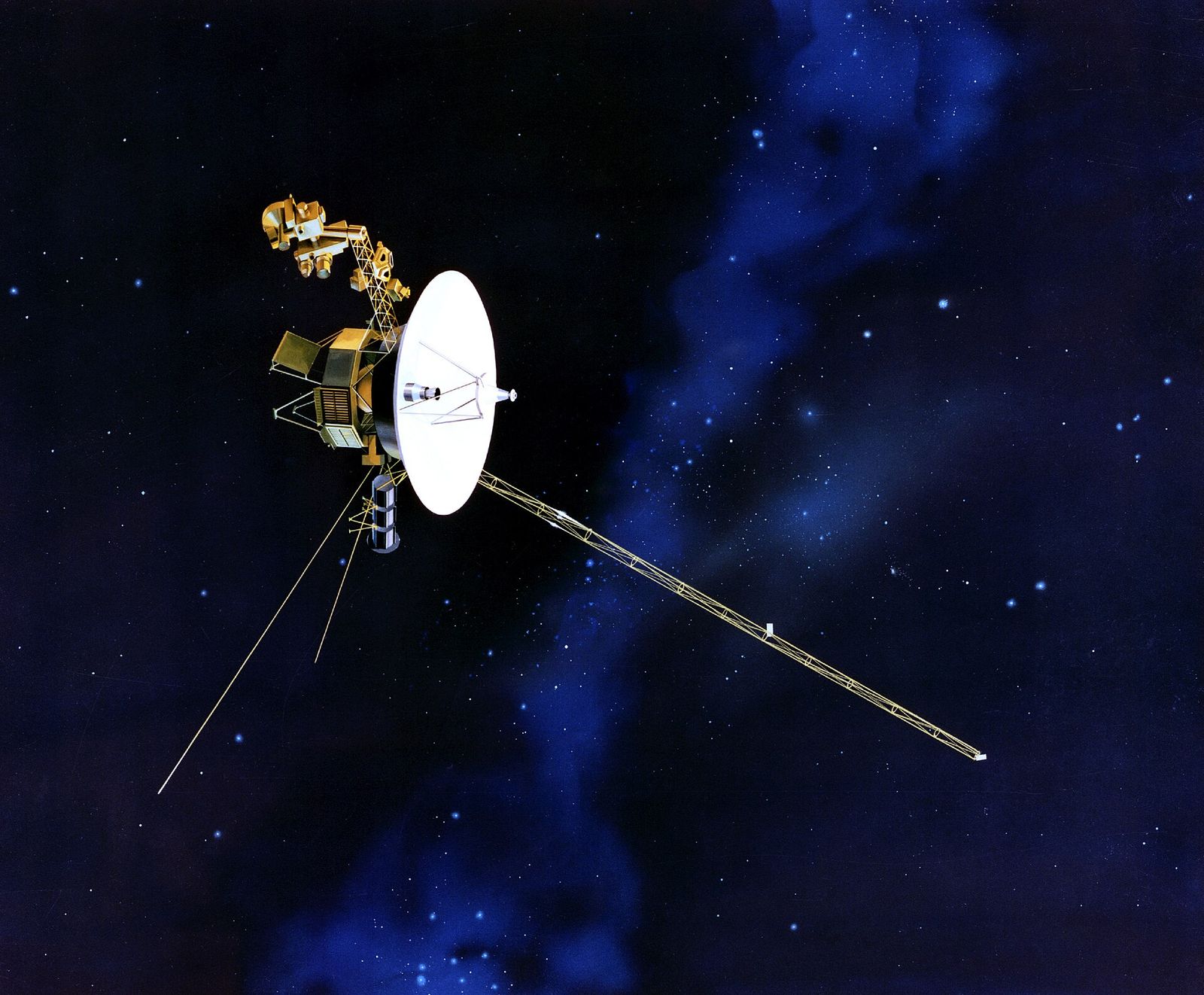
NASA's Voyager 1 is about to become the first human-made object to sit one light-day from Earth. At that distance, a radio signal from the probe needs a full 24 hours to reach the antennas listening for it.
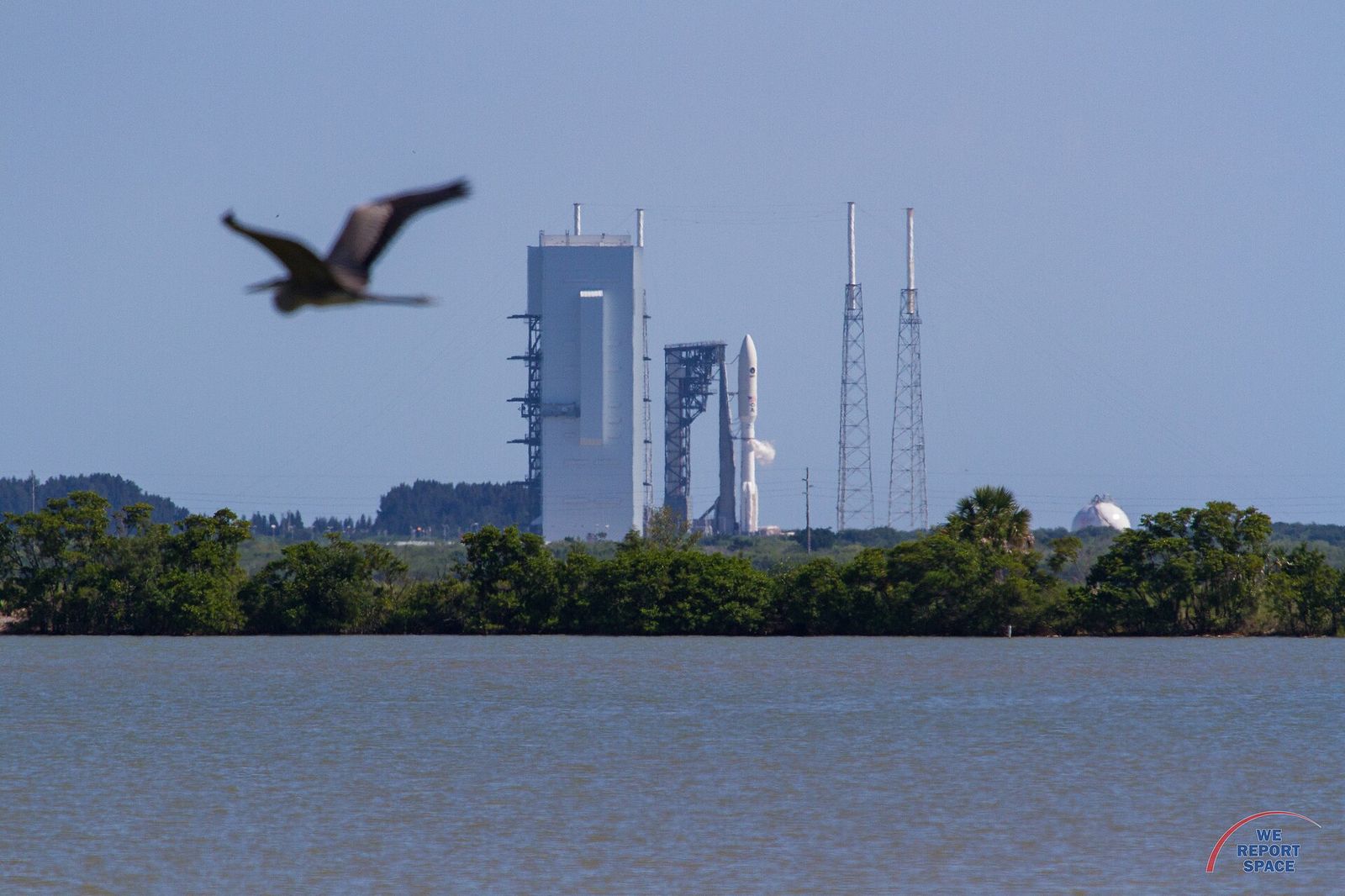
NASA expects the spacecraft to cross the mark on Wednesday, Nov. 18, at 5:16:07 a.m. EST (1016:07 GMT). Voyager 1 will then be 49 years, two months and 11 days into a flight that began at Kennedy Space Center in Florida on Sept. 5, 1977. The agency called the moment "a huge milestone by any measure, and a day worth celebrating." When it happens, the Madrid station of NASA's Deep Space Network will be the one talking to the probe.
A light-day is a round-number convention, and nothing physical changes for the spacecraft as it passes. Still, it is a better yardstick than most. A figure like 16 billion miles is too large to picture. The time light needs to make the trip is a distance people can actually grasp, and it describes the practical problem the mission team lives with.
What a day of delay means for the mission
Light covers about 186,000 miles (300,000 kilometers) every second. Over 24 hours, that adds up to roughly 16 billion miles, or about 26 billion kilometers, according to NASA. For comparison, sunlight reaches Earth in about eight minutes and 20 seconds. Radio messages between Earth and Mars take three to 22 minutes, depending on where the two planets are in their orbits.
Voyager 1 is in a different league. Once it reaches one light-day, any command sent from Earth will take a day to arrive, and the spacecraft's reply will take another day to come back. Mission controllers will wait two full days to learn whether an instruction worked. Every plan, fix and test has to be built around that lag.
That delay matters most when something breaks. In late 2023, Voyager 1 began sending back unreadable data, and engineers spent months tracking down and working around a hardware fault in its onboard computers. That job was already slow when each test took close to two days to confirm. As the gap grows, the margin for trial and error only shrinks.
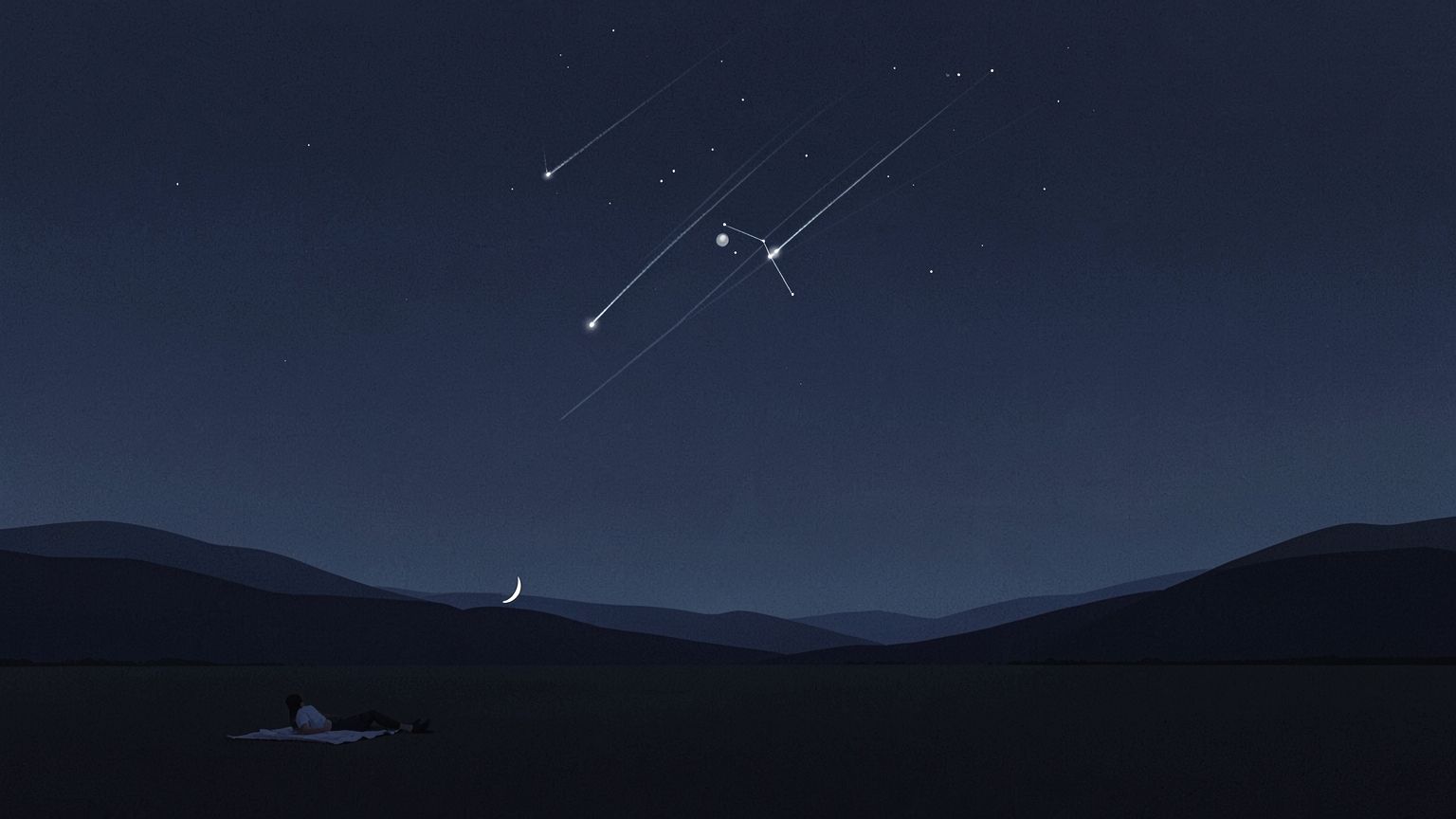
The distance is also a reminder of how slow even a fast spacecraft is. Voyager 1 is moving through interstellar space at nearly 38,000 mph (61,000 kph), quicker than almost anything humans have launched. It has still needed more than 49 years to cover the ground light crosses between one sunrise and the next. From Earth's point of view, the probe is currently passing through the constellation Ophiuchus, said Jeffrey Hayes, a discipline scientist in NASA's astrophysics and heliophysics divisions whose work includes Voyager.
A shrinking power budget
Distance is not the main threat to the mission. Power is. Both Voyagers run on nuclear power sources that produced 470 watts apiece at launch and lose about four watts every year. Engineers have responded by switching off instruments and finding other ways to stretch what remains. Earlier this year, they carried out a major power swap on both probes, nicknamed the "Big Bang" because of how much it affected operations.
Hayes described the triage in a livestreamed discussion with NASA's Night Sky Network on Nov. 4. "It's a balance, right? Because some instruments are more power hungry than others," he said. In his account, instruments that draw little power but still return good science get top priority, while hungrier ones with interesting results sit on the edge.
He called the two spacecraft healthy but "fragile," given their age and their surroundings. "It's also really really cold, right? We're only a few degrees above absolute zero here," he said. That cold puts the hydrazine propellant, which keeps the probes' antennas pointed at Earth, at risk of freezing. "And if it freezes, then it's game over," Hayes said.
NASA has not given a recent estimate of how long the Voyagers can last. In 2022, Voyager project manager Suzanne Dodd of NASA's Jet Propulsion Laboratory said they might keep working into the 2030s. Voyager 2, now about 13.5 billion miles (21.7 billion kilometers) from Earth, will not reach one light-day until 2035, NASA said. Given the power math, it looks like a long shot that Voyager 2 will still be sending usable data by then. A probe can pass the line in silence, but no one on the ground would see it happen.
Hayes said the original designers probably never pictured a 50-year mission, even though they built in plenty of backup systems. Those backups are a big reason engineers still have options to reroute power and swap hardware decades later.
A bargain mission heading toward its 50th
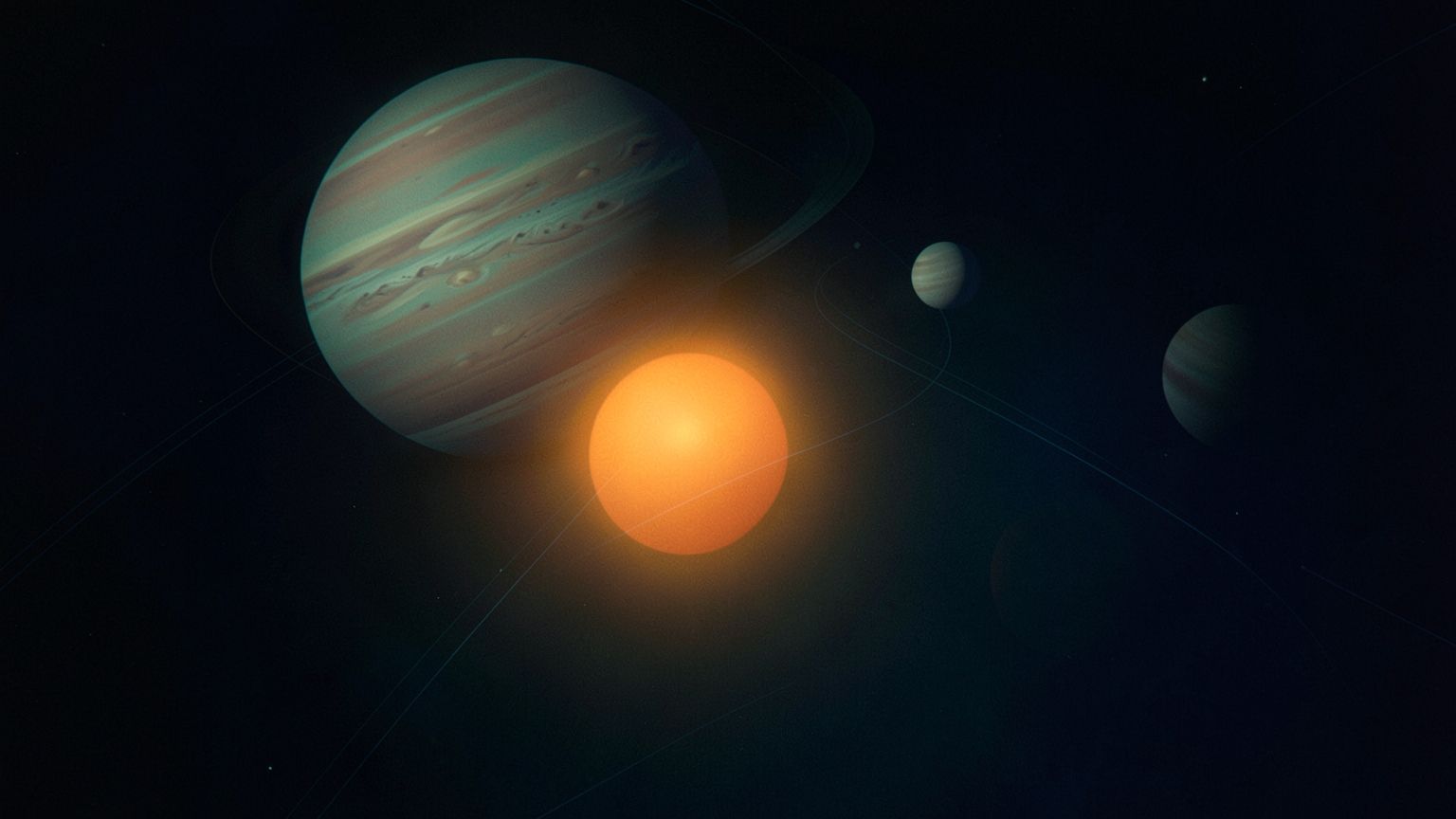
The Voyagers were first funded only to study Jupiter and Saturn. NASA launched them during a rare planetary alignment, though, which left open a path for Voyager 2 to continue to Uranus and Neptune if the money kept coming. It did. Voyager 1 took a different route. It swung past Saturn to study the planet's rings and its large moon Titan, which has the kind of chemistry that can come before life. That maneuver bent the probe's path far above the plane where the planets orbit. In 1990 it looked back to take the famous "Pale Blue Dot" image of Earth, and in 2012 it became the first spacecraft to cross into interstellar space.
NASA puts the cost from launch through the Neptune flyby, roughly 1977 to 1989, at $865 million, with another $30 million budgeted for the extended mission. Hayes acknowledged that the money comes from taxpayers and said the team wants to make sure "that we do it right." Spread over nearly half a century of data from places no other working spacecraft has reached, that is a strong return. Few science budgets have bought as much.
Hayes said the light-day crossing opens a year of events building to the mission's 50th anniversary in August and September 2027. JPL, which runs the mission, is trying to get as much science as it can from the probes for as long as they last.
Voyager 1's long-term path will keep going after its instruments stop. In about 40,000 years, it will pass within 1.7 light-years of Gliese 445, a star 17 light-years from Earth in the constellation Ursa Minor. By then the probe will have been out of power for tens of thousands of years, still carrying its golden record toward a star whose light it will never report back.
Sources
Felix Rodriguez
Felix Rodriguez covers Earth science, climate research, and the processes that shape the planet. His work follows findings about rocks, oceans, atmospheric systems, and environmental change. He focuses on explaining timescales, measurement methods, and the relationship between individual studies and the wider evidence, helping readers interpret developments across interconnected fields.
View all stories