Tesla now sells only the $109,990 Cyberbeast as Cybertruck winds down
The cheaper Dual Motor and Premium AWD trims can no longer be ordered in the US, and the tri-motor model just got another $7,500 price increase.

· 4 min read
Key Takeaways
- The Cyberbeast's US price rose $7,500 to $109,990, about $10,000 more than roughly a week earlier.
- The Dual Motor and Premium AWD trims appear on Tesla's configurator but cannot be selected.
- Tesla hasn't said whether pending orders for the cheaper trims will be built before production ends.
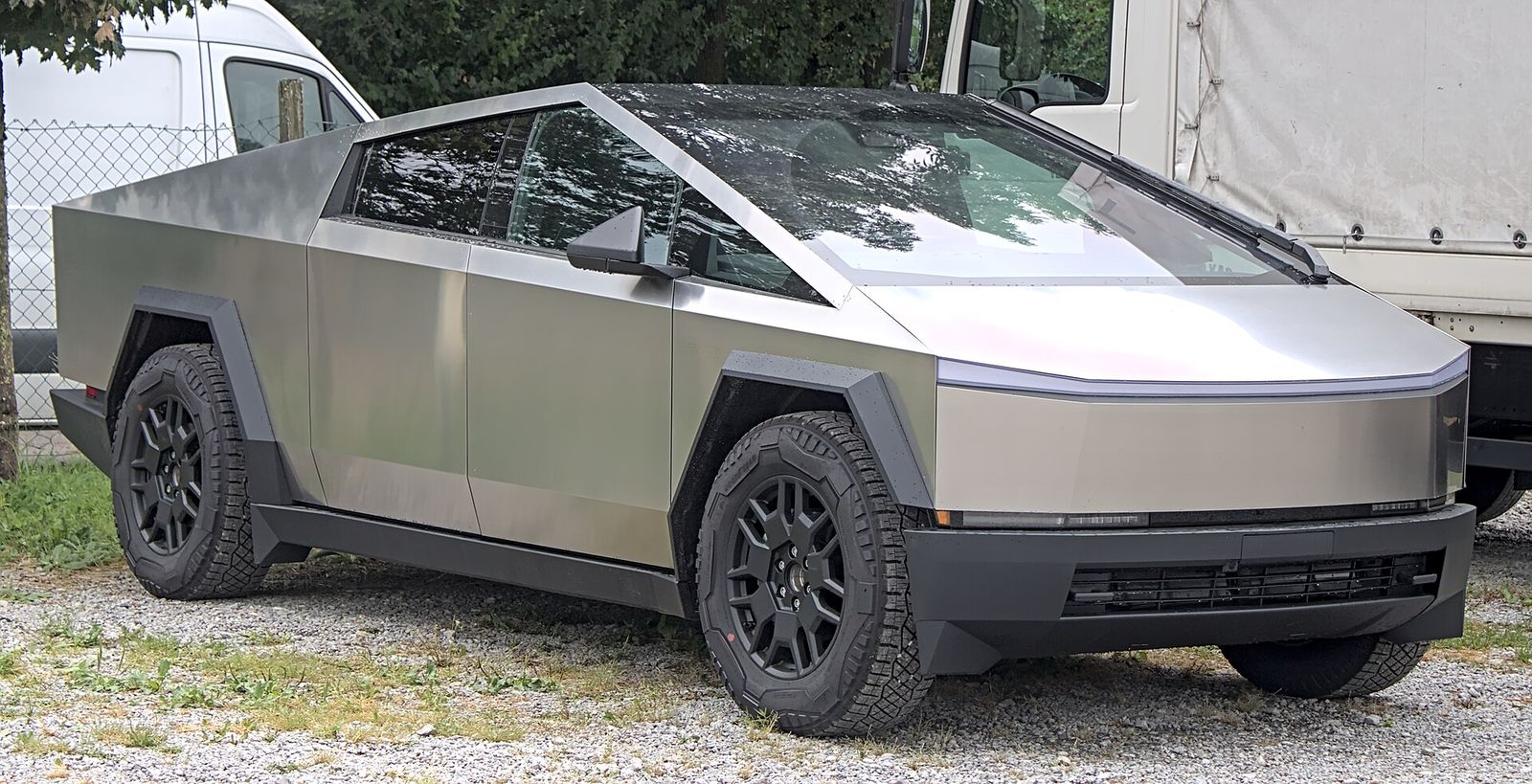
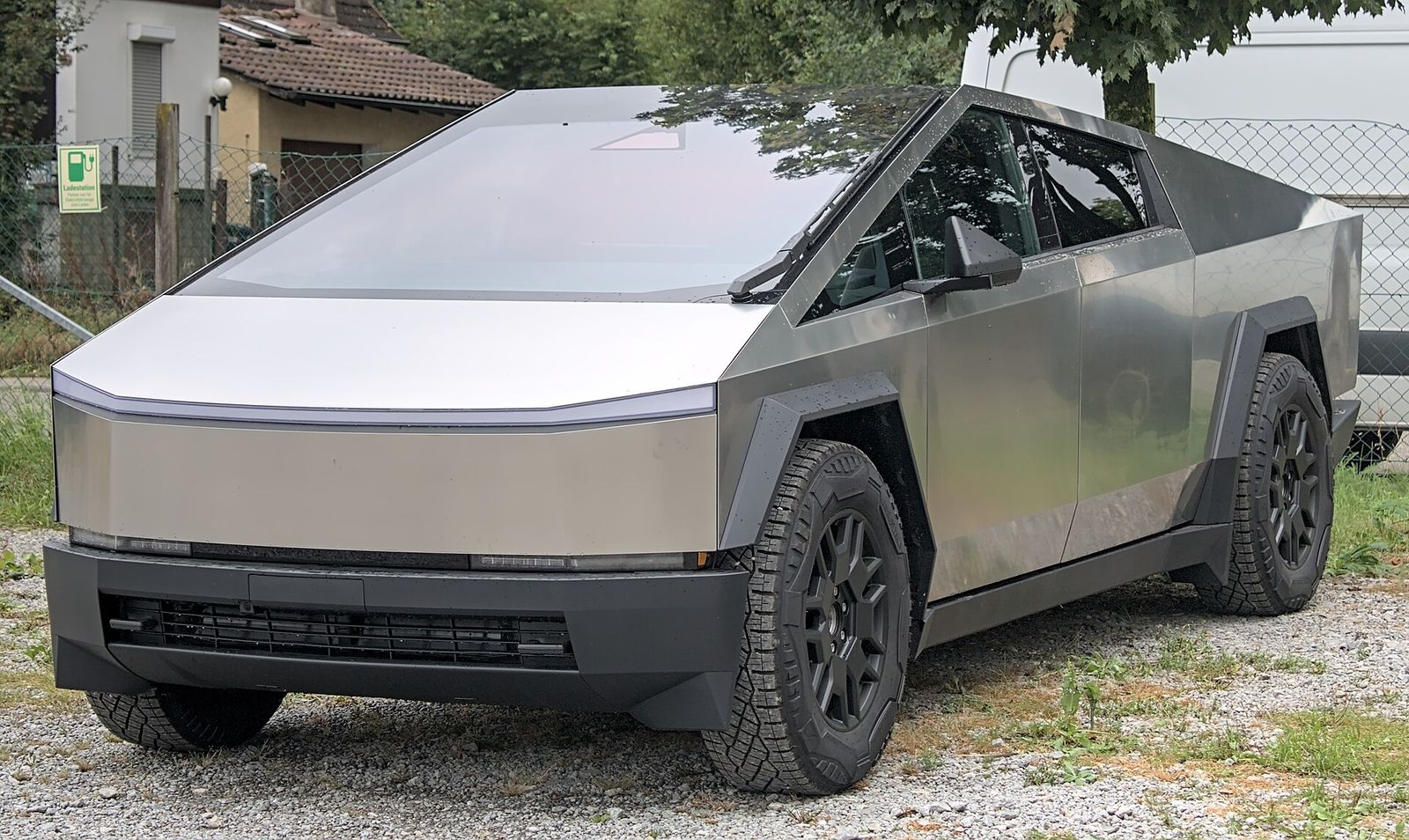
The only new Cybertruck a US buyer can order from Tesla now is the tri-motor Cyberbeast, and it costs $109,990 after a fresh $7,500 price increase. Tesla's online configurator still lists the Dual Motor and Premium AWD versions, but both are grayed out and cannot be selected, according to a check of the US configurator by Electrek using a Los Angeles delivery address.
Tesla made no announcement about the change. Electrek reported that the cheaper trims simply stopped being selectable.
That makes the price of entry to the Cybertruck $109,990, up 57% from the $69,990 starting price Tesla charged in early August. The Cyberbeast itself cost $99,990 until recently, then $102,490 about a week ago. The truck hasn't changed in that time. It still has an estimated range of 320 miles, an 11,000-pound towing rating and a 0-60 mph time of 2.6 seconds.
The latest move caps a busy stretch for the program. On Nov. 6, Elon Musk announced that Cybertruck production would end. The same day, Tesla raised Cybertruck prices by as much as 10% and paused orders for the base Dual Motor model, which left the $92,490 Premium AWD as the cheapest option. That trim is now off the table as well.
Earlier this week, Musk pushed the end of production out to the end of summer 2027, saying the extra time would let Tesla "work through more of the Cybertruck order backlog." On Monday, he said the order rate "far exceeds" production and that Tesla would "have to return deposits for a lot of people."
Shoppers hoping to skip the configurator and buy off the lot may have little luck. When Electrek searched Tesla's inventory, it found no new Cybertrucks within 200 miles of Los Angeles.
Taken together, the moves follow a recognizable pattern for a vehicle on its way out: announce the end, raise prices, remove the cheaper versions and steer remaining buyers toward the most expensive one. Closing the two lower trims also limits how many new orders can pile onto a line with a fixed end date, which fits Musk's description of more demand than Tesla can build. Pulling those trims while raising the remaining price is a clean way to protect margin on a product Tesla is leaving behind. It is a much less comfortable outcome for anyone who wanted a Cybertruck but not a six-figure one.
The demand picture is harder to square with the sales record. Electrek estimates that Tesla delivered 7,000 to 8,000 Cybertrucks in the third quarter. That works out to about 30,000 a year, on a production line Electrek says has more than 125,000 units of installed capacity. Tesla does not break out Cybertruck deliveries separately, so that figure is the outlet's estimate rather than a company number.
Pricing earlier this year also pointed to a truck that needed help selling. In February, Tesla offered a dual-motor Cybertruck at $59,990 and billed the deal as available for only 10 days. Nine months later, the cheapest Cybertruck on the configurator costs $50,000 more.
Both things can be true at once. A truck can sell slowly for most of its life and then draw a late rush once buyers learn it is going away. Electrek argues that this is what happened, calling the backlog an end-of-life rush created by the shutdown announcement itself. Whatever its cause, a waiting list built in the weeks after a cancellation says little about whether the Cybertruck found a sustainable market. The quarterly delivery estimate suggests it did not.
The people with the most at stake are customers who already placed orders for the cheaper versions. Some buyers who locked in the $59,990 February offer are still waiting, with delivery dates that have slipped into 2027, according to Electrek. Tesla has not said whether those orders, or any other pending Dual Motor and Premium AWD orders, will be built before the line shuts down.
That silence matters more now that new orders for those trims are closed. If Tesla intends to fill the existing queue, telling customers would cost little. If it does not, Musk's warning about returning deposits suggests some reservation holders could get their money back instead of a truck. For a buyer who has waited the better part of a year, a clear answer either way would be more useful than another revised delivery window.
The gap between the current price and the original promise is also hard to ignore. When Tesla unveiled the Cybertruck in 2019, it said the truck would start at $39,900, with the tri-motor version at $69,900. The tri-motor now costs $40,000 more than that original figure, and there is no cheaper new model to buy.
For anyone who still wants a Cybertruck without the Cyberbeast's price tag, the used market is now the only route. Electrek suggested that a truck going out of production with no lower-priced new option could hold its value better than it has over the past two years. With roughly nine months of production left under Musk's latest timeline, the next detail to watch is whether Tesla says how many of the queued orders for cheaper trims it will build before the line stops.
Sources
Dominic Price
Dominic Price writes about new cars, pickup trucks, and SUVs, following model announcements and changes across vehicle lineups. His coverage connects pricing, dimensions, powertrains, and equipment with the choices facing buyers. He puts published specifications in context and explains differences between models, making crowded launch calendars and trim descriptions easier to follow.
View all stories