Rimac ends Nevera hypercar run with 71 cars, far short of its plan
The record-setting electric hypercar found fewer than half the buyers Rimac planned for, as the top of the market swings back toward big combustion engines.
 By Serena Wu
· 4 min read
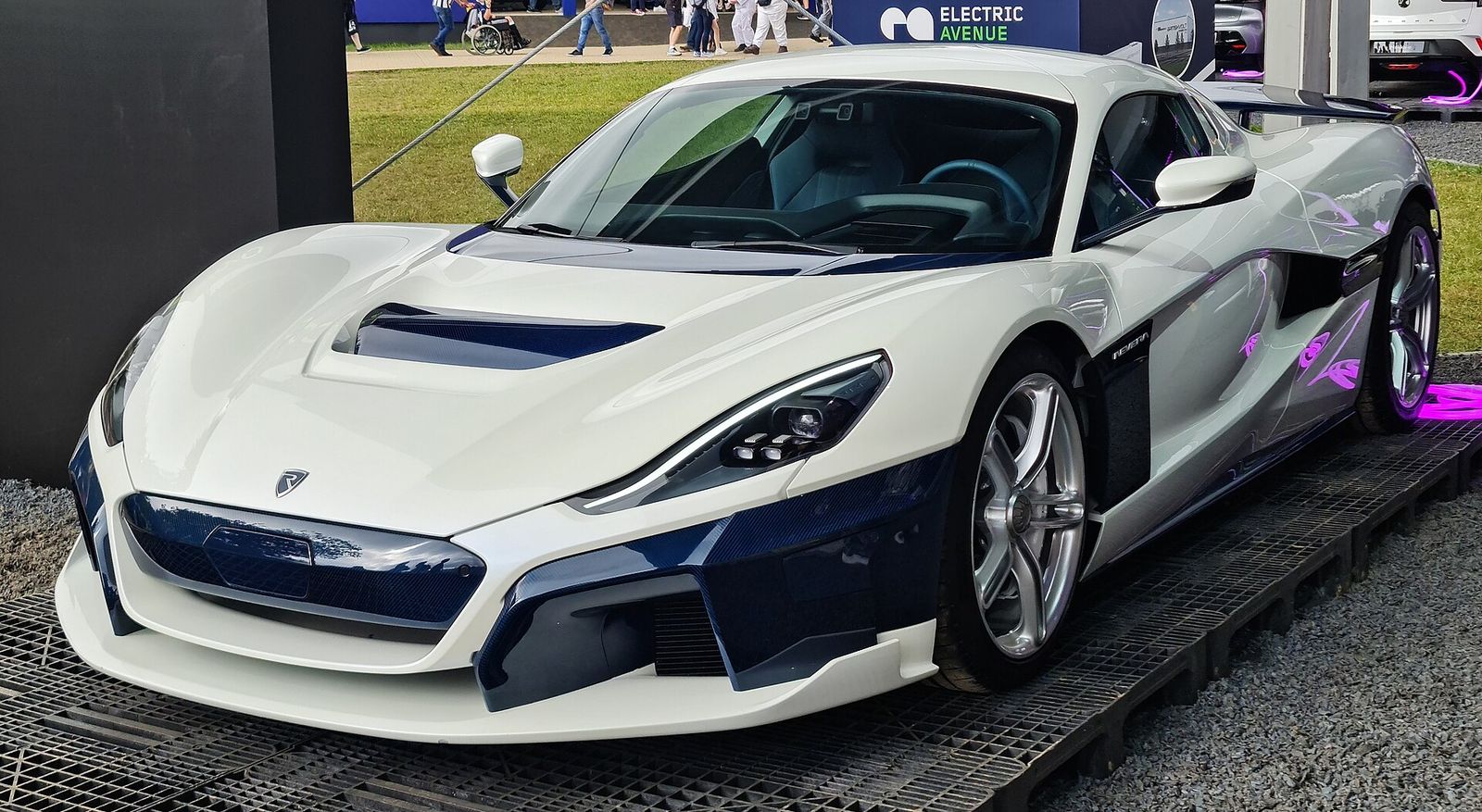
Rimac is ending production of the Nevera, its all-electric hypercar, after building just 71 of them. That is less than half of the 150 cars the Croatian company planned to sell when it revealed the Nevera in 2021.
Founder Mate Rimac gave the breakdown in a recent Instagram video: 51 standard Neveras and 20 of the more extreme Nevera R. Germany's Auto Motor und Sport, which reported the wind-down, said production stops at the end of 2026. That report counts the plan as 190 cars, with 40 Nevera Rs added to the 150 base models. By either count the gap is wide. The base car reached about a third of its target, and the R reached half.
Mate Rimac doesn't treat the Nevera as a failure, and the numbers give him some cover. By Carscoops' reckoning, it is still the best-selling electric hypercar in its class. That says as much about how thin this corner of the market is as it does about the Nevera.
Records that didn't sell cars
Demand was never held back by performance. The Nevera R set 24 world records in one day, including a 0-249-0 mph (0-400-0 kph) run of 25.79 seconds. It has also hit 100 mph in 2.96 seconds, 124 mph in 3.95 seconds and 186 mph in 7.89 seconds, and it reached a top speed of 268.2 mph. The Nevera line has covered the quarter mile in under 7.9 seconds, has been called the world's quickest car, and once held the electric-car lap record at the Nürburgring Nordschleife.
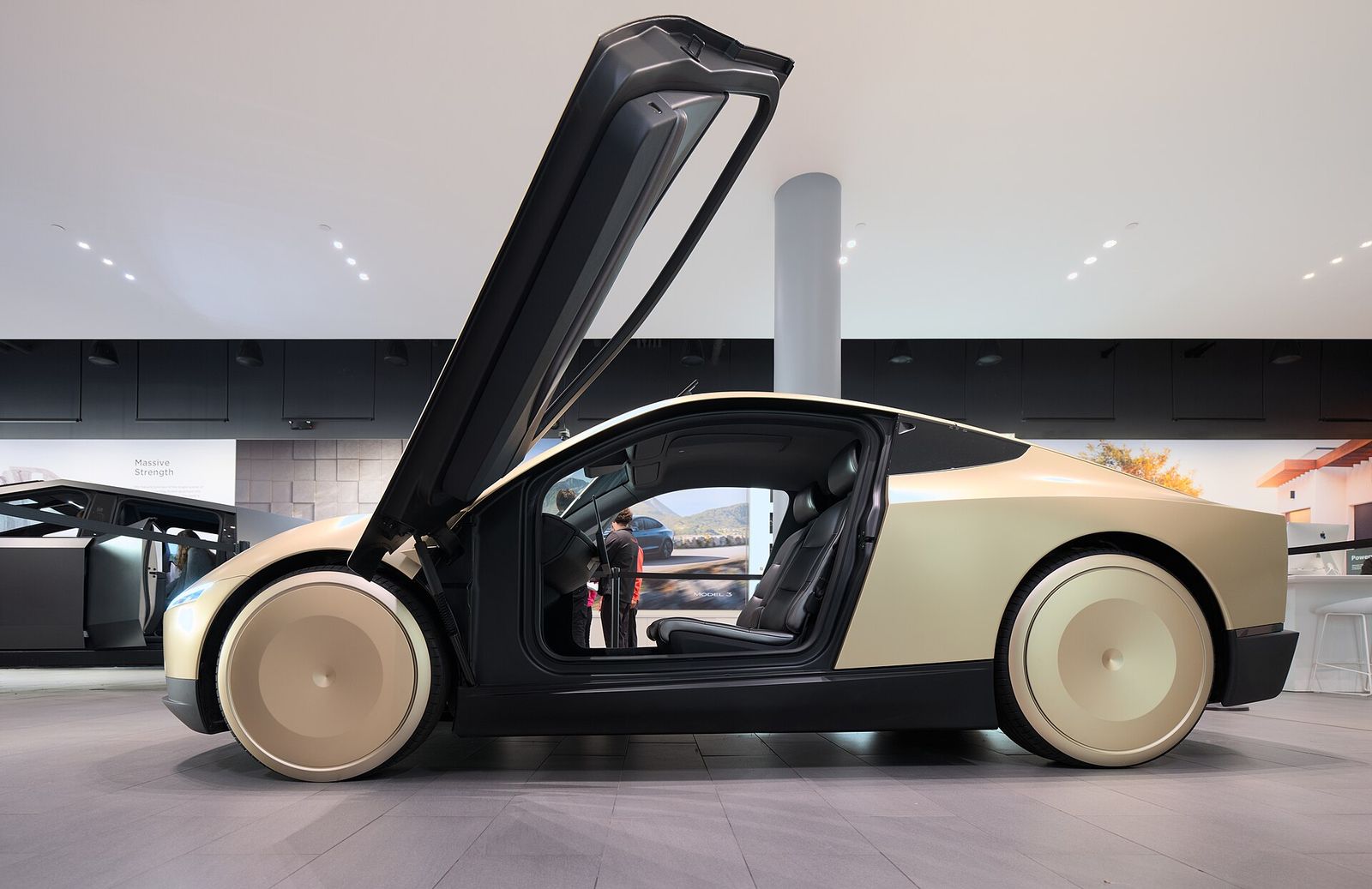
Several of those marks have already fallen. The Koenigsegg Jesko Absolut beat the 0-400-0 time, and the Yangwang U9 Xtreme from China's BYD took the electric top-speed record. Tesla's long-promised new Roadster, which has not yet reached customers, is aimed at the same bragging rights.
That turnover points to the Nevera's real problem. Electric motors make huge acceleration fairly easy to engineer, so a record can be overtaken within a year or two, sometimes by a brand that belongs to a mass-market automaker. Buyers spending hypercar money want something that stays rare, and a stopwatch result that keeps getting beaten doesn't deliver that.
The rest of the segment has reached a similar conclusion. Lotus built the Evija as a direct Nevera rival and has since moved on to a hybrid supercar with a V-8. Porsche, once a Rimac shareholder, looked at an electric hypercar of its own and chose an internal-combustion supercar instead. At the top of the market, Carscoops notes, wealthy buyers have been gravitating toward analog machines with loud engines from builders such as Gordon Murray Automotive and Koenigsegg.
Mate Rimac has put it in watch terms. He has likened cars like the Nevera to smartwatches: technically ahead of a mechanical timepiece but without its prestige or lasting value. He expects high-end cars to stay with combustion engines in the years ahead. The comparison fits. Collectors pay for craftsmanship and permanence, and a battery-powered car with software inside has a harder time telling that story than a hand-built engine does.
From hypercar maker to Bugatti boss
Judged as a business card rather than a product, the Nevera did its job. It turned a small Croatian startup into a company that major automakers took seriously. Pininfarina used it as the basis for the Battista, its own electric hypercar. Volkswagen Group then brought Mate Rimac in to help develop Bugatti's successor to the Chiron.
The original idea was an electric Bugatti built on Nevera hardware. Mate Rimac went another way. The resulting Bugatti Tourbillon is a hybrid built around an 8.3-liter naturally aspirated V-16 developed with Cosworth. Mate Rimac now runs Bugatti outright. Meanwhile, Rimac Technology supplies electric powertrain components to high-volume performance models such as the Porsche 911 Turbo S.
So the man behind the definitive electric hypercar is now steering one of the world's most famous performance brands toward a giant combustion engine. That looks less like a contradiction than a practical reading of the market. The Nevera showed that Rimac could out-engineer almost anyone with batteries and motors. It also showed that very few people at the top end wanted to pay for that alone.
That split looks like the lasting lesson for the industry. Electrification seems to work best at this level as a supporting technology, filling torque gaps in a hybrid or sharpening a 911, rather than as the reason to buy the car. Rimac's most durable business now appears to be selling that know-how to other brands, not building its own cars.
Meanwhile, the 71 Neveras in private hands have an unusual distinction. They are among the quickest cars ever sold, and they are also evidence that the electric hypercar, as first imagined in 2021, attracted far fewer buyers than its makers expected.
Sources
Serena Wu
Serena Wu covers vehicle safety, recalls, and the systems designed to help drivers avoid collisions. Her work follows official notices, safety ratings, and updates to driver assistance features. She explains which vehicles are affected, what published findings establish, and where limitations remain, giving readers clear context for automotive safety news.
View all stories