Tesla to end Cybertruck production in mid-2027 as prices climb
Musk says the Texas plant will make room for the Cybercab robotaxi. Tesla has also raised prices and stopped orders for the cheapest trim.

· 5 min read
Key Takeaways
- Cybertruck production at Gigafactory Texas will wind down around the middle of 2027, Elon Musk said.
- Electrek reports the cheapest Cybertruck available to order now costs $92,490 after a price increase of up to 10%.
- Kelley Blue Book estimates sales fell from 38,965 in 2024 to 20,237 in 2025, far below Musk's forecast of 250,000 a year.
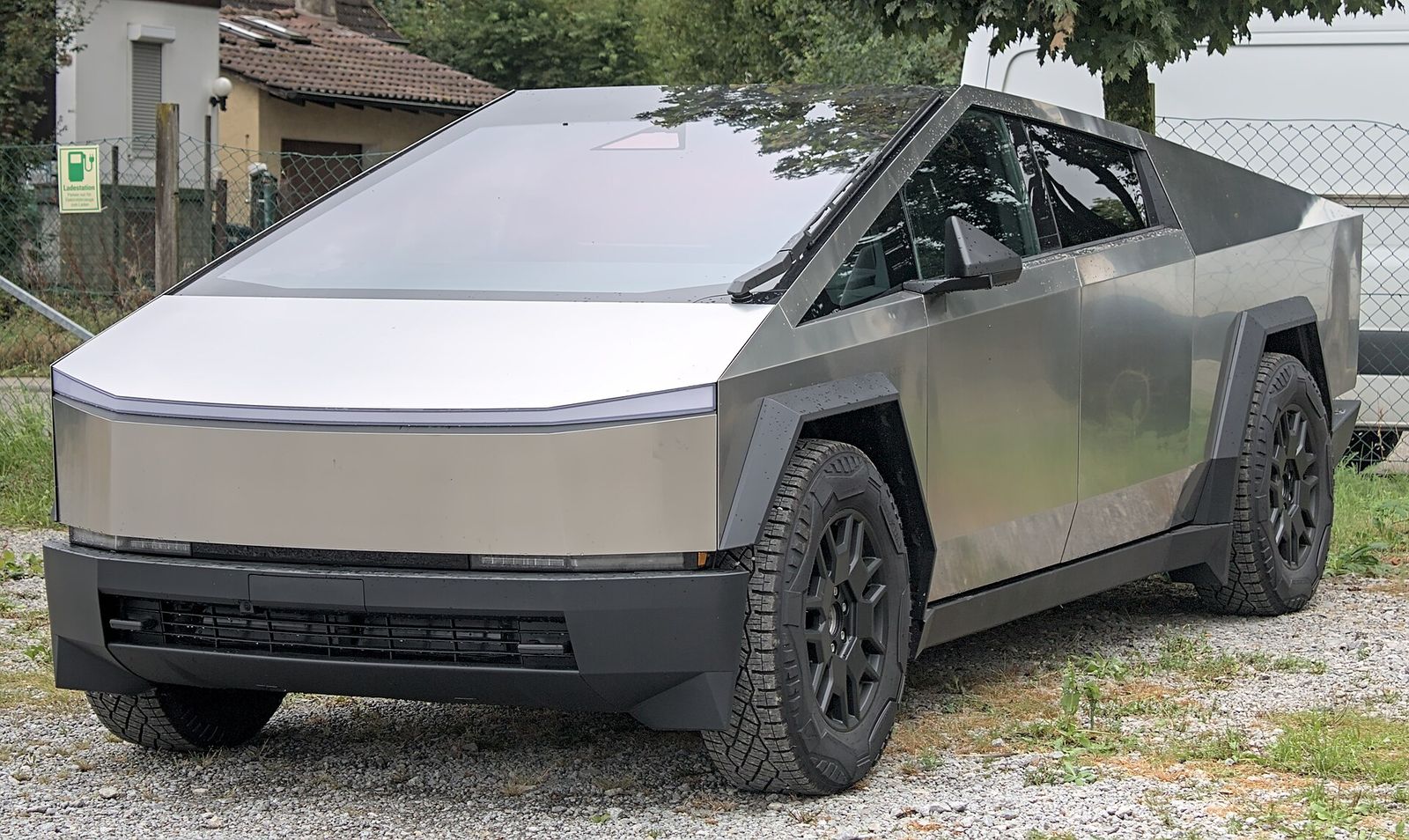
Tesla will stop building the Cybertruck around the middle of 2027, CEO Elon Musk said Friday. The decision ends the stainless-steel pickup's run after sales fell far short of the volumes he once predicted.
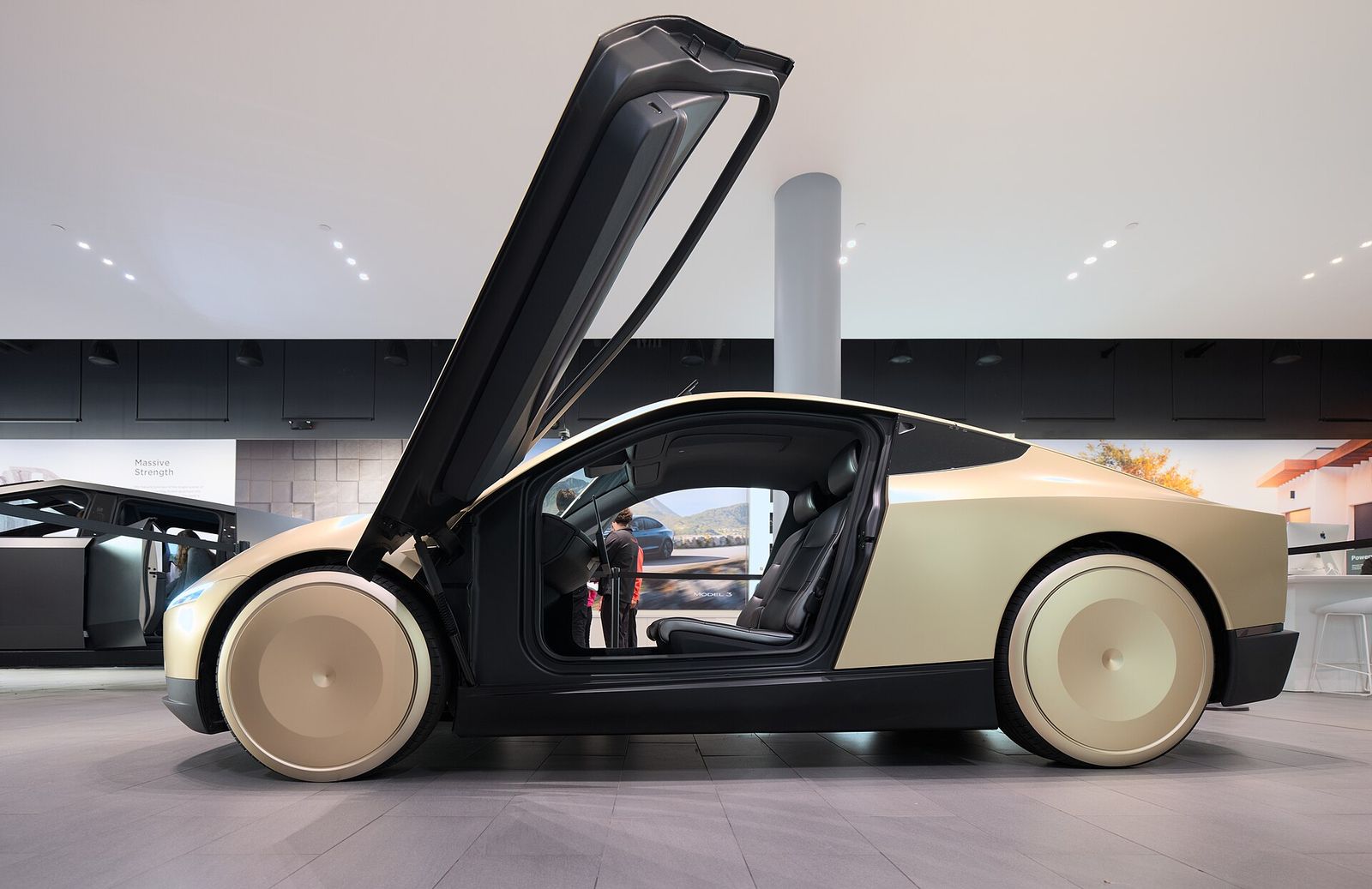
In a post on X, Musk said production at Gigafactory Texas, near Austin, would be "winding down" so the company could "make room for increased Cybercab production." The Cybercab is Tesla's two-seat robotaxi, which has no steering wheel or pedals. Tesla unveiled it in 2024, started building it at the Texas plant in April and launched service in Austin in September.
Tesla shares rose 4.7% on Friday after the announcement.
The Texas factory is the only plant that builds the Cybertruck. It also produces the Model Y and the Cybercab. Musk did not say whether the pickup could move to another factory. When a user on X called the truck the best vehicle Tesla has made, Musk replied: "True, but the Cybertruck fleet will be around for a long time." Tesla did not immediately respond to a CNBC request for comment.
Car and Driver said the timing suggests the 2027 model year will be the truck's last. Given its weak sales, the publication said, a move to another plant appears unlikely.
Prices rise as order options shrink
Tesla also raised U.S. Cybertruck prices by as much as 10% and stopped taking orders for the base Dual Motor all-wheel-drive trim, Electrek reported Friday after reviewing Tesla's online configurator. According to Electrek, the least expensive Cybertruck buyers can still order now costs $92,490. The Dual Motor version still appears on Tesla's site with a higher price, but it cannot be selected.
Car and Driver said orders are now limited to the Premium all-wheel-drive trim, at roughly $90,000, and the Cyberbeast, which costs more than $100,000. The publication said the Dual Motor listing could mean Tesla reopens orders for that trim before production ends.
This is the second increase in less than three months. In August, Tesla raised the Dual Motor from $69,990 to $74,990 and the Premium from $79,990 to $84,990. By Electrek's count, the Premium now costs $12,500 more than it did in early August. The lowest price for an orderable Cybertruck has risen 32% in about 10 weeks.
Electrek said the increases make little sense if Tesla were trying to boost demand. It described them as a wind-down strategy: once a program is ending, the goal shifts to earning as much as possible on the remaining trucks and steering buyers toward higher-margin versions.
Tesla's pricing has swung widely this year. In February, it offered a dual-motor Cybertruck for $59,990 as a 10-day deal, then withdrew it. A single-motor rear-wheel-drive version was dropped after 173 sales, according to Electrek.
When Tesla introduced the truck in 2019, it promised a starting price of $39,900. When sales began, the truck cost $60,990. The Cybertruck is not sold in Europe or most right-hand-drive markets, and Tesla canceled plans to sell it in Australia and New Zealand in October.
Sales far below Musk's forecast
After commercial production began in 2023, Musk predicted Tesla would sell 250,000 Cybertrucks a year. Kelley Blue Book estimates the company sold 38,965 in 2024 and 20,237 in 2025, a drop of 48%. Kelley Blue Book said sales through September of this year fell another 28%. Car and Driver put the total for the first three quarters of 2026 at 11,586 trucks.
Tesla does not report sales by model. Its "Other Models" category, which includes the Cybertruck, Model S, Model X and Semi, fell 48% from a year earlier to 8,295 units in the third quarter. Electrek estimates 7,000 to 8,000 of those were Cybertrucks, about 12% of the production line's capacity of 250,000 trucks a year.
One large buyer last year was Musk's own SpaceX. According to a SpaceX financial filing, the company spent $131 million on Cybertrucks at Tesla's suggested retail price. Most of Tesla's sales come from the Model Y and Model 3, according to Cox Automotive.
Dan Ives, senior managing director of Yorkville Ives & Co, said in an email to CBS News that "the writing was on the wall" for the truck because of its high price and weak demand. He said Musk is now focused on robotics and robotaxis, and that ending the Cybertruck frees up factory capacity.
Recalls and a polarizing image
The truck drew attention from the start. At its 2019 unveiling, a Tesla designer threw a metal ball at the window to show off its supposedly unbreakable glass. The window shattered, and so did a second one when he tried again. Tesla promoted the pickup as able to tow 14,000 pounds and withstand sledgehammer blows and gunfire. Deliveries began in late 2023 for the 2024 model year.
The production truck did not match some of the specifications Tesla advertised early on. In some cases, it also fell short of leading gas-powered pickups. The 2024 Cybertruck was the subject of 11 voluntary recalls, according to the National Highway Traffic Safety Administration's website. The problems included an accelerator pedal that could become trapped and cause unintended acceleration, software defects, and an inverter fault that could cause a sudden loss of drive power. Other recalls involved the rearview camera.
"The Cybertruck became a cultural symbol – loved, mocked and impossible to ignore," said Armen Hareyan, whose Torque News site covers the auto industry.
The truck also became a target in the backlash against Musk's political activities, including his leadership of the Department of Government Efficiency. Protesters gathered outside Tesla showrooms, and some Cybertrucks at dealerships were vandalized. One owner told CNBC last May that the truck's look had made drivers a target of rude gestures and road rage.
Spencer Penn, a former Tesla executive who left before the truck launched and now leads software developer LightSource, reserved a Cybertruck but never bought one. The price ended up far above Musk's promise of less than $40,000. Penn described the truck as part of the risk-taking that drives innovation at Tesla. "Some of these bets work and some of these bets don't," he said.
Ross Blankenship, a Cybertruck owner in Colorado, told the Associated Press he hated seeing a truck he loved become a political symbol. He said he would buy another one and called the end of production "a sad moment."
Sources
- CBS News — MoneyWatch: Musk says Tesla will end Cybertruck production next year
- ABC News — Business: Tesla's Cybertruck heads for an exit after years of hype and division
- CNBC — Business: Tesla to wind down Cybertruck production in Texas next year to ramp Cybercab, Musk says
- Electrek — All: Tesla hikes Cybertruck prices up to 10% after announcing it will kill production
- Car and Driver — News: RIP: Tesla Cybertruck Production Ends Next Year
Dominic Price
Dominic Price writes about new cars, pickup trucks, and SUVs, following model announcements and changes across vehicle lineups. His coverage connects pricing, dimensions, powertrains, and equipment with the choices facing buyers. He puts published specifications in context and explains differences between models, making crowded launch calendars and trim descriptions easier to follow.
View all stories