Tesla pushes Cybertruck shutdown to end of summer 2027 to work through orders
Musk's reprieve adds a few months of production, but buyers face higher prices and possible refunds, and Tesla has named no new consumer model to follow.

· 5 min read
Key Takeaways
- Production now runs through the end of summer 2027, about two to three months past the original mid-2027 target.
- The cheapest Cybertruck available to order is $92,490, up from $69,990 in early August, and base Dual Motor orders are paused.
- Once the truck ends, Tesla's consumer lineup will be only the Model 3 and Model Y.
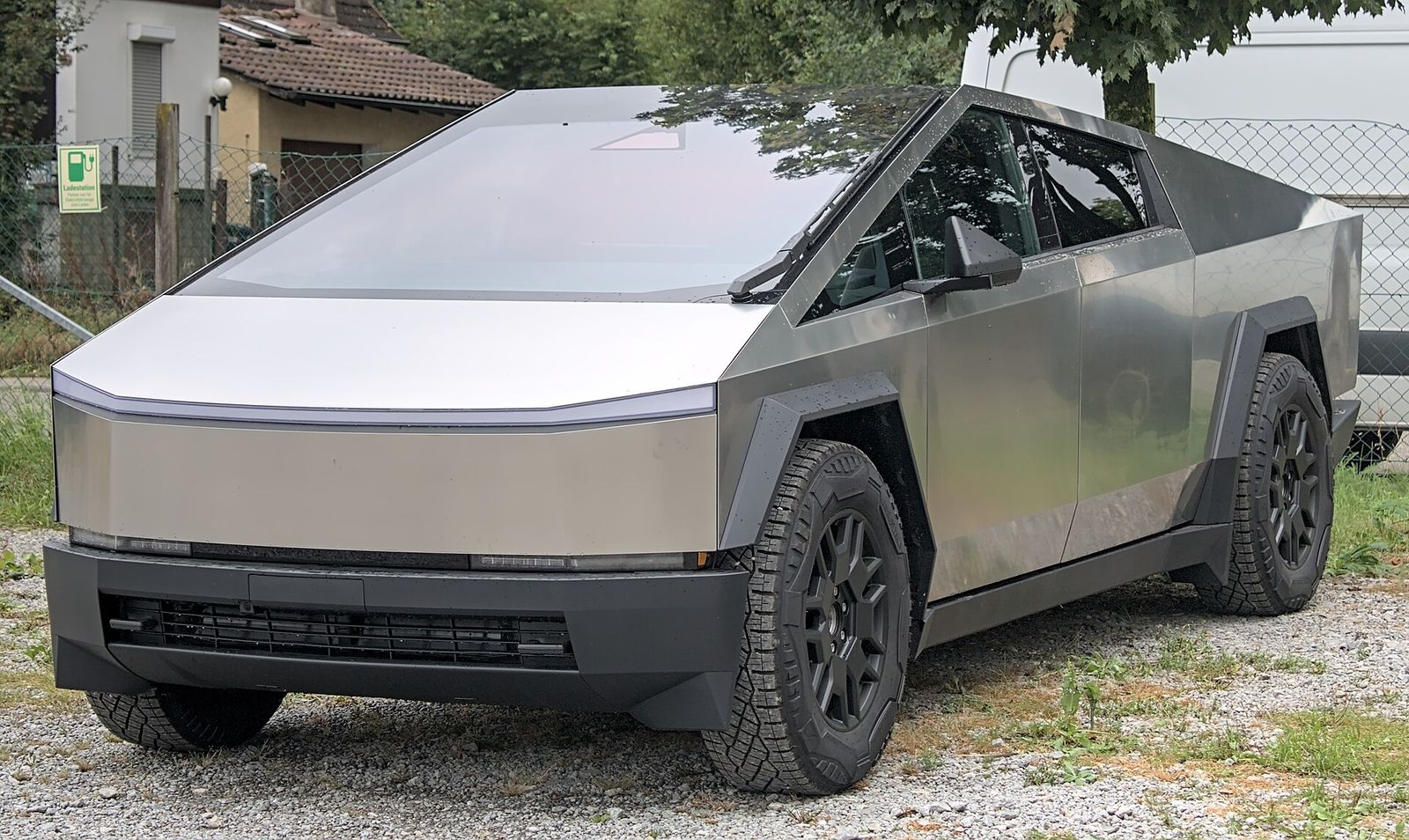
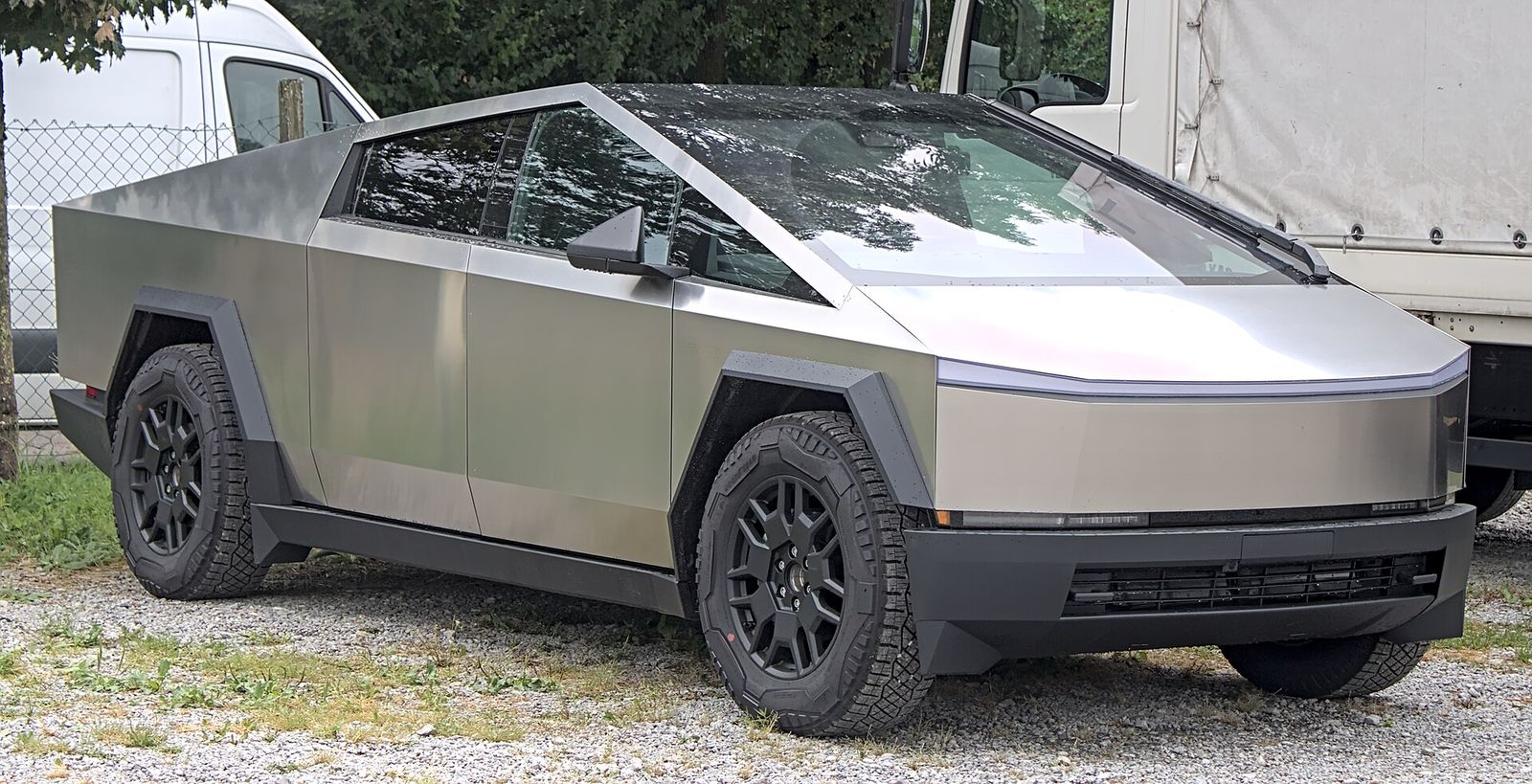
Tesla will keep building the Cybertruck through the end of summer 2027, CEO Elon Musk said Wednesday. The extra months are meant to let the company fill more of the orders still waiting on the stainless-steel pickup before the line closes.
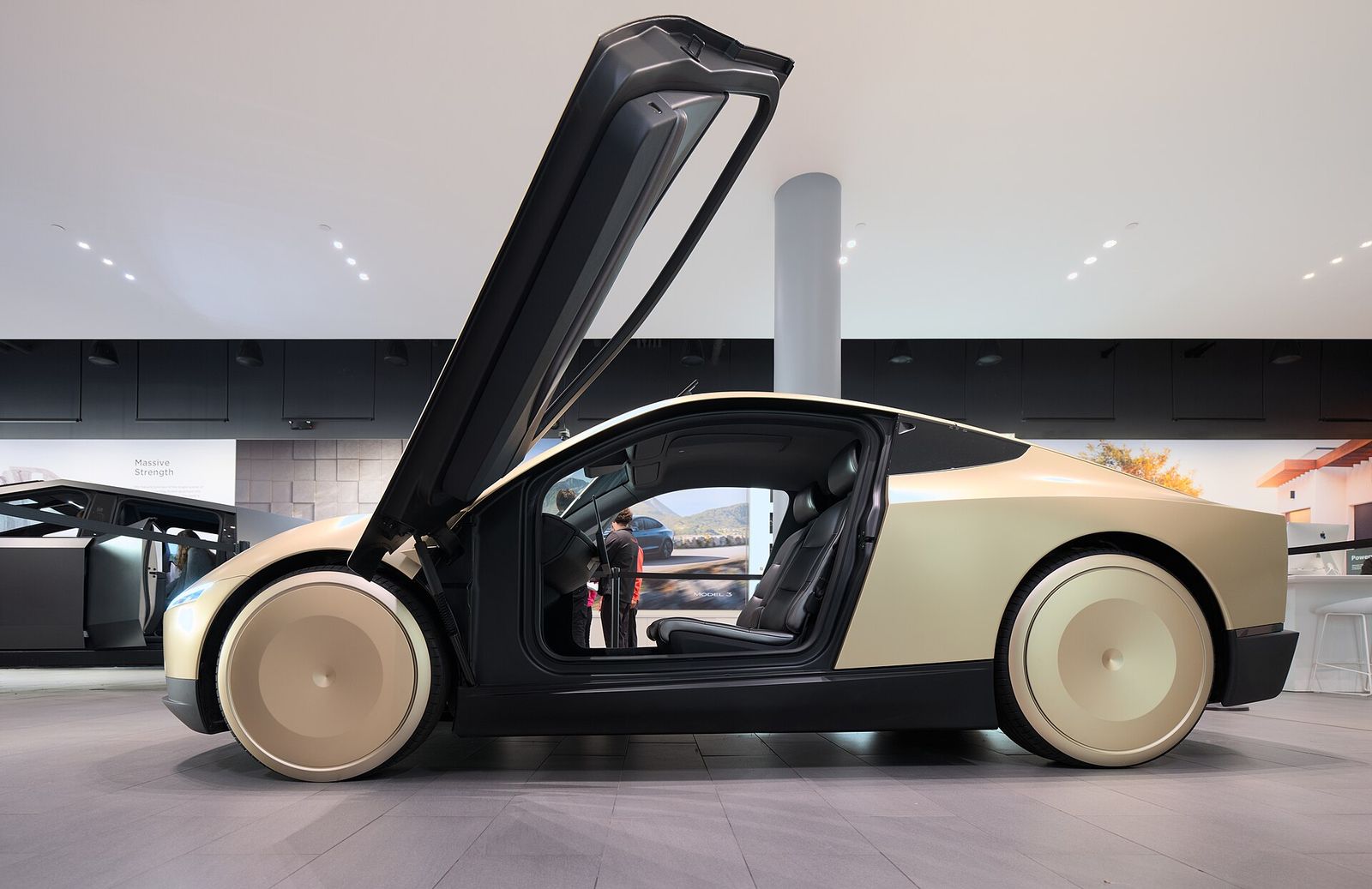
The change comes five days after Musk first told customers the truck was ending. On Nov. 6 he said Tesla would wind down Cybertruck output at its Giga Texas plant around the middle of 2027 to make room for the Cybercab, the company's planned robotaxi. On Nov. 9 he added that orders were arriving much faster than Tesla could build trucks and that the line would close in roughly eight months. Tesla, he wrote on X, "will have to return deposits for a lot of people."
Wednesday's post moves the end date out by about two to three months, by Electrek's count. Musk did not present the decision as a moneymaker. He said it was not the smartest choice from a profit standpoint and added that "there must be some room in this world for sentimentality."
That candor is unusual, and it makes the extension easy to take at face value: a short goodwill gesture rather than a change of plan. The truck is still ending, and the Cybercab is still getting its space. As reported, the post did not say how many additional orders the extra months would cover or whether some customers should still expect their deposits back. For people in the queue, those are the questions that matter.
What buyers in the queue are facing
Anyone ordering now pays considerably more than buyers did a few months ago. Tesla raised Cybertruck prices by as much as 10% and paused orders for the base Dual Motor version, according to Electrek. The least expensive Cybertruck available to order is now $92,490. In early August, the starting price was $69,990.
Some of the people still waiting ordered at far lower prices. In February, Tesla offered the Cybertruck at $59,990 for what it billed as "10 days only." Several customers replying to Musk on X said they were still waiting for those trucks to be delivered, Electrek reported. One asked whether Tesla would put higher-priced Premium and Cyberbeast orders ahead of theirs, and Musk did not answer that question, the outlet reported.
Not every customer was cheering. After the Nov. 9 post, one Reddit user described a $59,000 order with growing doubt: "I've been excited for it, and I'm getting the feeling now that it may not happen."
The priority question is the one Tesla most needs to settle. Without a stated delivery order, a customer who locked in February pricing has no way to know whether an extra summer of production helps them or mostly serves newer, pricier orders. That uncertainty is a bigger issue for buyers than the end date itself.
A shrinking lineup and shifting explanations
Musk's stated reasons for ending the truck have changed over the past week, Electrek noted. First the issue was factory space, then the company's reliance on "a very limited number of smart, dedicated people," then the "opportunity cost" of building such a complex vehicle.
On paper, the business case for ending the Cybertruck is not hard to make. Before the shutdown news, the truck was selling at roughly 30,000 units a year, according to Electrek's analysis. That works out to about 10% of the 250,000 annual sales Tesla had planned for, on a line with more than 125,000 units of installed capacity. Electrek argues that the announcement itself set off a last-call rush and that the backlog Musk cites partly reflects that. The customers still waiting on February orders show that at least some of the queue was there earlier. Both things can be true, and neither changes the basic picture of a truck selling well short of its plan.
The more pointed complaints from Tesla's own supporters were not really about the pickup. Chuck Cook, a widely followed tester of Tesla's Full Self-Driving software, asked Musk to reconsider, writing: "Cybercab won't haul my bees." Phil Trubey, another longtime backer, asked for a vehicle road map beyond summer 2027: "Will Tesla make any other vehicle?"
Tesla has not announced a new consumer vehicle that would answer him. The company began 2026 with five consumer programs: the Model S, Model X, Model 3, Model Y and Cybertruck. It ended Model S and Model X production in the spring, citing autonomy. When the Cybertruck line stops, the lineup will consist of the Model 3 and Model Y, which went on sale in 2017 and 2020. Tesla's response to years of promises about a more affordable car turned out to be lower-cost Standard versions of those same two models.
The pressure is visible in other markets as well. In China, Tesla's second-largest market, domestic retail sales fell 66% in October to their lowest level in more than four years, Electrek reported, as the company shifted Giga Shanghai toward exports.
There is also outside interest in keeping the truck alive. Unplugged Performance, a major Tesla aftermarket tuner, offered to take over the Cybertruck line and pay Tesla a license fee, according to Electrek.
The Cybertruck was always going to be a niche product. Its angular stainless body, first shown in 2019 and delivered starting in late 2023, divided buyers from the start, and ending a model that sold at a tenth of its target is defensible on the numbers. The harder thing to defend is the gap that follows. A carmaker heading into late 2027 with two aging models and no announced successor is asking customers to wait on robotaxis that ordinary buyers cannot purchase.
That leaves the extension looking like what Musk said it was: a few sentimental months for the truck. It does not answer the question Trubey asked, and so far Tesla has offered no new vehicle that does.
Sources
Harper Lawson
Harper Lawson writes about vehicle ownership costs, used car markets, and maintenance news. Her coverage follows price trends, repair expenses, service developments, and the factors affecting household transportation budgets. She explains reported costs and market comparisons, helping readers understand how depreciation, upkeep, and changing vehicle prices fit into the wider cost of driving.
View all stories