Tesla opens Cybercab pre-orders at $29,990, plus a $299 monthly fee
Invited buyers can order the wheel-free pod for personal use, but it runs only in geofenced zones and is delivered in just five Texas cities for now.

· 4 min read
Key Takeaways
- The $29,990 starting price comes with a $299 monthly fee to operate the car
- The Cybercab can drive only inside select geofenced areas
- Elon Musk called the fee "too high" and said it should match Tesla's FSD pricing
- Deliveries are targeted for December, with production ramping through 2027
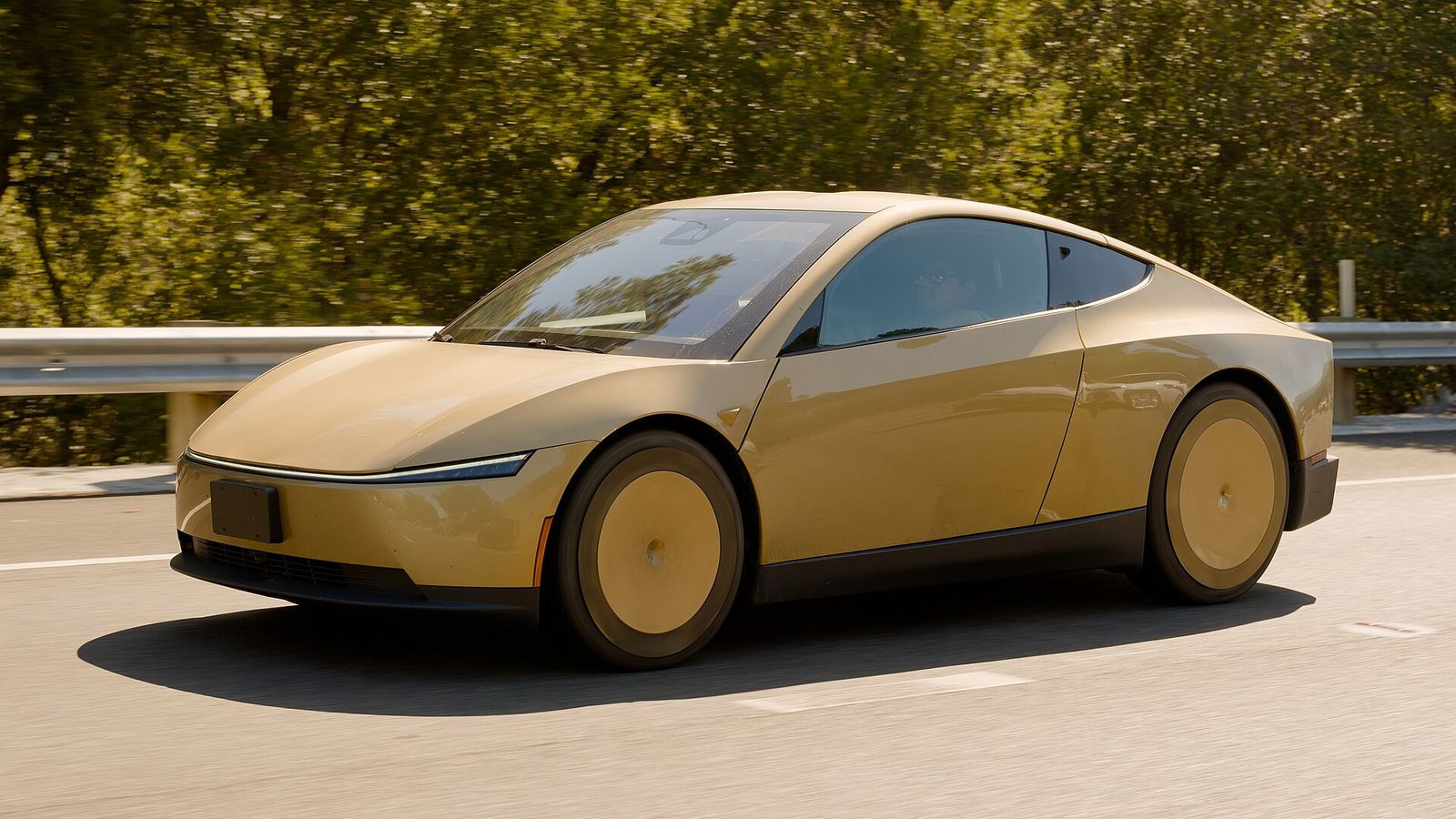
Tesla will sell its driverless Cybercab to private owners for a starting price of $29,990, but that price only gets the car to the curb. To actually use it, owners will also pay $299 a month, and the car will go only where Tesla's map allows.
The company said late last week that "select customers" can now pre-order the two-door pod "for personal use," with customer deliveries supposed to begin by December. The car has no steering wheel and no pedals, and for now it can operate only inside select geofenced areas. Car and Driver reports that these match the regions where Tesla's Robotaxi service already runs.
That last detail matters more than the sticker. A conventional car with a driver-assistance package still works when the software reaches its limits, because a person can take the wheel. The Cybercab has no wheel to take. If the car can't drive itself somewhere, it can't go there, which makes the size of Tesla's approved territory the real spec sheet for this vehicle.
Texas first, nationwide later
The rollout is narrow in another way, too. Tech reviewer Marques Brownlee, who is on the invite list, said buyers can take delivery only in five Texas cities: Austin, Dallas, Fort Worth, Houston and San Antonio.
Elon Musk answered Brownlee's post on X with a promise that the Cybercab "will be available nationwide, as we receive regulatory approval." Tesla's CEO also conceded that the current monthly charge is "too high" and said it "should match the cost of Tesla FSD" in the company's other vehicles. Car and Driver calculates that would bring the fee to roughly $115 a month. Musk gave no date for a cut, and it isn't clear what would have to change for Tesla to make one.
Run the numbers as the offer stands and the $29,990 figure looks less striking. Twelve months of the fee adds $3,588, so a first-year owner is past $33,500 before taxes, registration, insurance or charging. Over five years, the subscription alone would total nearly $18,000. If the fee falls to the FSD level, that math improves considerably.
The more useful comparison may not be another car at all. A Cybercab owner is paying to have a robotaxi parked in the garage, limited to roughly the same service areas where anyone can already hail one.
The Cybertruck makes room
The Cybercab's arrival is already reshaping Tesla's lineup. Earlier this month, the company announced it would wind down production of the Cybertruck in the middle of next year, and the smaller car is a big reason. Tesla plans to ramp Cybercab output over the course of 2027 once the pickup's factory space opens up. The Cybertruck is built at Tesla's plant near Austin, which fits neatly with the Texas-only launch.
Retiring a full-size truck to make room for an unproven pod is a bold bet. The Cybertruck drew enormous attention when it went on sale in late 2023, but it never became the mainstream pickup Tesla once pitched. The Cybercab asks Tesla to win a far harder argument, that people will buy a car they cannot drive, and the company is giving up an existing product line to make that case.
When Tesla unveiled the Cybercab at an October 2024 event, it promised that the car would eventually reach regular buyers, and Musk pitched it as a sub-$30,000 vehicle. The company has technically kept that price promise, though the subscription turns the headline number into a down payment on a service.
If deliveries do start before the end of 2026, Car and Driver notes, the Cybercab would be the first vehicle without driving controls sold to the general public. That would be a genuine milestone for the industry, whatever one thinks of the business model.
Hitting it is far from guaranteed. Car and Driver expects only a handful of cars to reach customers this year even if Tesla holds to its schedule, and calls the deadline a big if. Tesla's autonomy timelines have slipped repeatedly over the years, so December is the first real test. The second will be whether the promised fee cut and wider approvals arrive before the 2027 production ramp puts many more of these cars on the road.
Sources
Rachel Turner
Rachel Turner covers electric vehicles, charging networks, and the developments shaping everyday EV use. Her coverage follows battery announcements, charging standards, and changes in vehicle range and availability. She explains published specifications and practical tradeoffs, helping readers understand how new technology and infrastructure affect the experience of owning an electric car.
View all stories