BMW tells owners of 720,000 older cars to park outside over water pump fire risk
The recall revisits a 2024 repair that didn't hold up. BMW traced the failures to connectors that turn brittle as water gets in over time.

· 4 min read
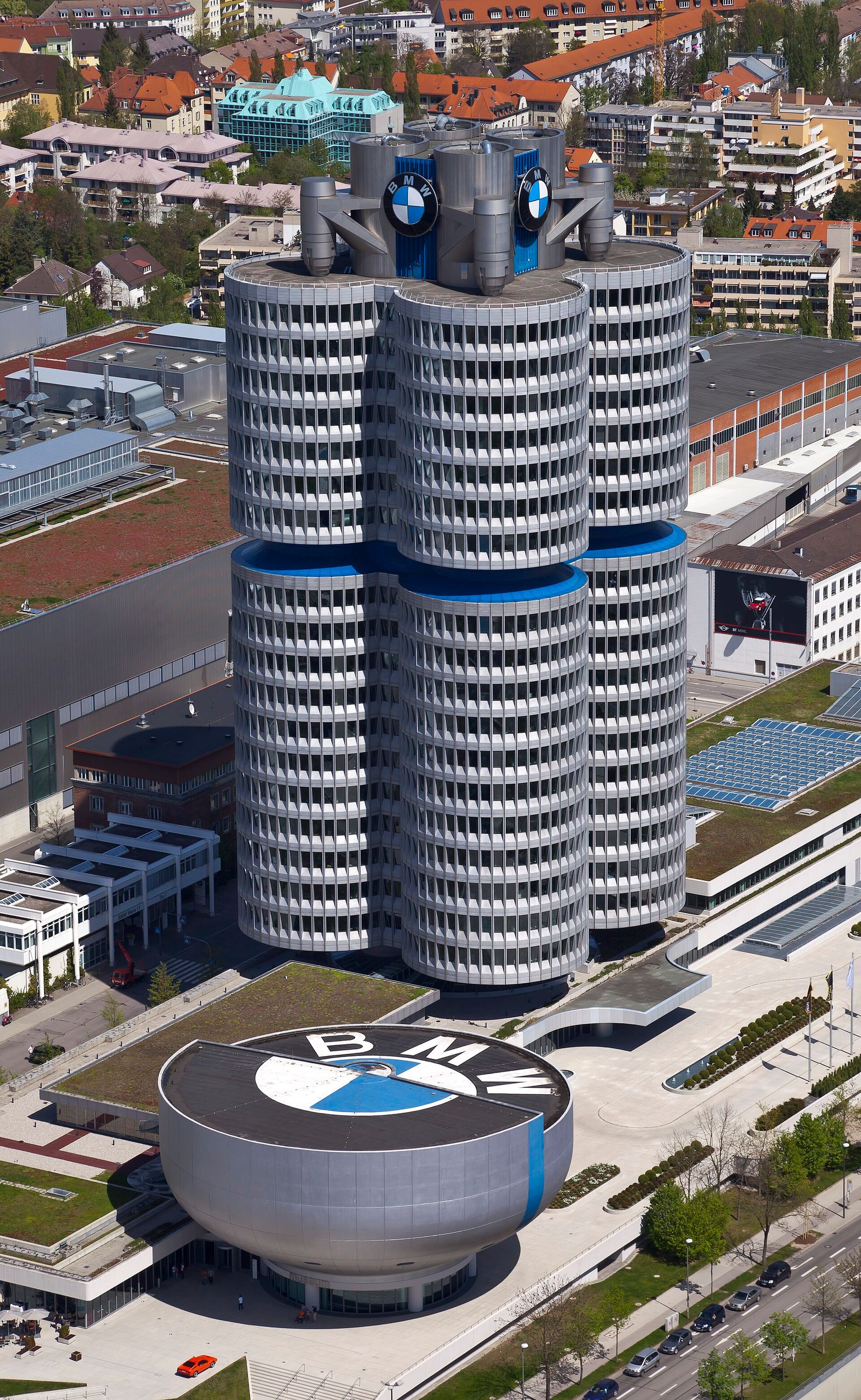
BMW is recalling more than 720,000 cars in the U.S. for a second time over the same electrical part. Until the cars are checked, the company is telling owners to park outside and away from buildings, because a deteriorating water pump connector can overheat, short out and, in rare cases, catch fire.
The campaign covers the same group of vehicles BMW recalled in August 2024. That recall involved 720,796 cars and addressed the risk that liquid could reach the water pump's electrical connector and cause a short circuit. The repair at the time redirected leftover fluid away from the connection. BMW has now concluded that the repair did not fully solve the problem.
The affected vehicles are:
- 2012-2016 BMW 3 Series, 4 Series and 5 Series
- 2012-2016 Z4 roadster
- 2014-2016 2 Series
- 2012-2015 X1
- 2013-2017 X3
- 2015-2018 X4
- 2016-2018 X5
That list covers a large share of the brand's mainstream lineup from that period, which is why the total is so large. It also means the cars involved are now roughly eight to 14 years old, and that matters given what BMW found.
How a 2024 fix fell short
When BMW announced the original recall, it said excess fluid was reaching the water pump connector through the recirculation system and the intake. Nearly a year later, the automaker learned that a car outside the U.S. had suffered thermal overload at the connector even though the recall work had been completed. BMW first suspected the repair had been done incorrectly.
In June 2025, a similar failure turned up in a U.S. car that had also received the fix. Faulty workmanship was still the leading theory in October, but by January 2026 BMW was continuing to find repaired cars with the same problem. In April, the company ran a CT scan on the connector and brought in an outside expert. Between May and September, it concluded that water getting into the connector can make it brittle over time, which can lead to overheating, a short and, rarely, a fire.
That finding changes the nature of the defect. The 2024 remedy treated the problem as fluid going where it shouldn't, so rerouting the fluid looked like a cure. A connector that degrades gradually is a wear problem, and the risk logically increases as the cars age. That is a good reason for BMW to recall the entire population again instead of chasing individual failures.
BMW deserves credit for continuing to investigate after its first explanation stopped fitting the evidence, including scanning the part and seeking outside help. The weak spot is the timeline. Roughly a year and a half passed between the first failure in a repaired car and BMW's conclusion about the cause. During that time, owners who had already taken their cars in had every reason to believe the issue was resolved.
What owners should do
The odds that any particular car is affected are low. BMW estimates that fewer than 0.1% of the recalled vehicles have the problem. As of Oct. 28, 2026, it knew of 10 field incidents in the U.S. related to the defect. Ten failures out of more than 720,000 cars is a tiny rate. Still, the possible outcome is a fire, and these cars often sit in attached garages overnight, so the instruction to park outside is not an overreaction.
The instruction is still a real burden. Owners in apartment buildings with garage parking, or in places where winter is starting, may have no good outdoor option. The timing of the notices adds to the problem. BMW plans to mail notification letters on Dec. 25, so many owners could go weeks without hearing anything directly from the company.
Owners don't have to wait for the letter. They can enter their vehicle identification number at NHTSA.gov or ask a BMW dealer whether their car is included. A VIN lookup is also the most reliable step for anyone who bought one of these models used, because a car that has changed hands since 2024 may not have had the first repair at all. The details of what technicians will do differently this time were not included in the recall information reported so far.
The cost of rechecking more than 720,000 vehicles will be substantial for a defect that has turned up only 10 times in the U.S. But the alternative was to leave a known fire risk in place in hundreds of thousands of aging cars, many parked next to homes. The first fix did not hold, and recalling every car again is the appropriate response.
Sources
Julian Morales
Julian Morales follows automakers, vehicle manufacturing, and the supply chains behind the cars reaching dealerships. His coverage connects factory plans, production figures, supplier developments, and company announcements with broader industry changes. He explains how manufacturing decisions and parts availability can influence vehicle output, delivery schedules, and the direction of the automotive business.
View all stories