Perseverance and Odyssey stop science work at Mars as NASA troubleshoots two failures
The rover's main UHF radio failed and its backup is running at half power, and the 25-year-old orbiter has a faulty reaction wheel. NASA hopes to restart both by the end of November.

· 5 min read
Key Takeaways
- Perseverance's main UHF radio failed and its backup is running at about half power, so the rover is sending data directly to Earth at lower rates.
- Mars Odyssey has lost the use of a second reaction wheel. If the wheel can't be recovered, NASA says its fuel would last only a month or two.
- NASA hopes both spacecraft can return to science by the end of November.
NASA has paused science operations on two of its Mars spacecraft at once. The Perseverance rover can no longer rely on its relay radios, and the Mars Odyssey orbiter is struggling with a faulty reaction wheel that could end its mission if engineers can't revive it.
The agency disclosed both problems in an update on Thursday, Nov. 19. It described the rover as stable and said it hopes both spacecraft can resume work before the end of the month. The two failures differ in seriousness, though. Perseverance's problem limits how much data it can send home. Odyssey's could determine how much longer the orbiter survives.
A rover forced to talk the slow way
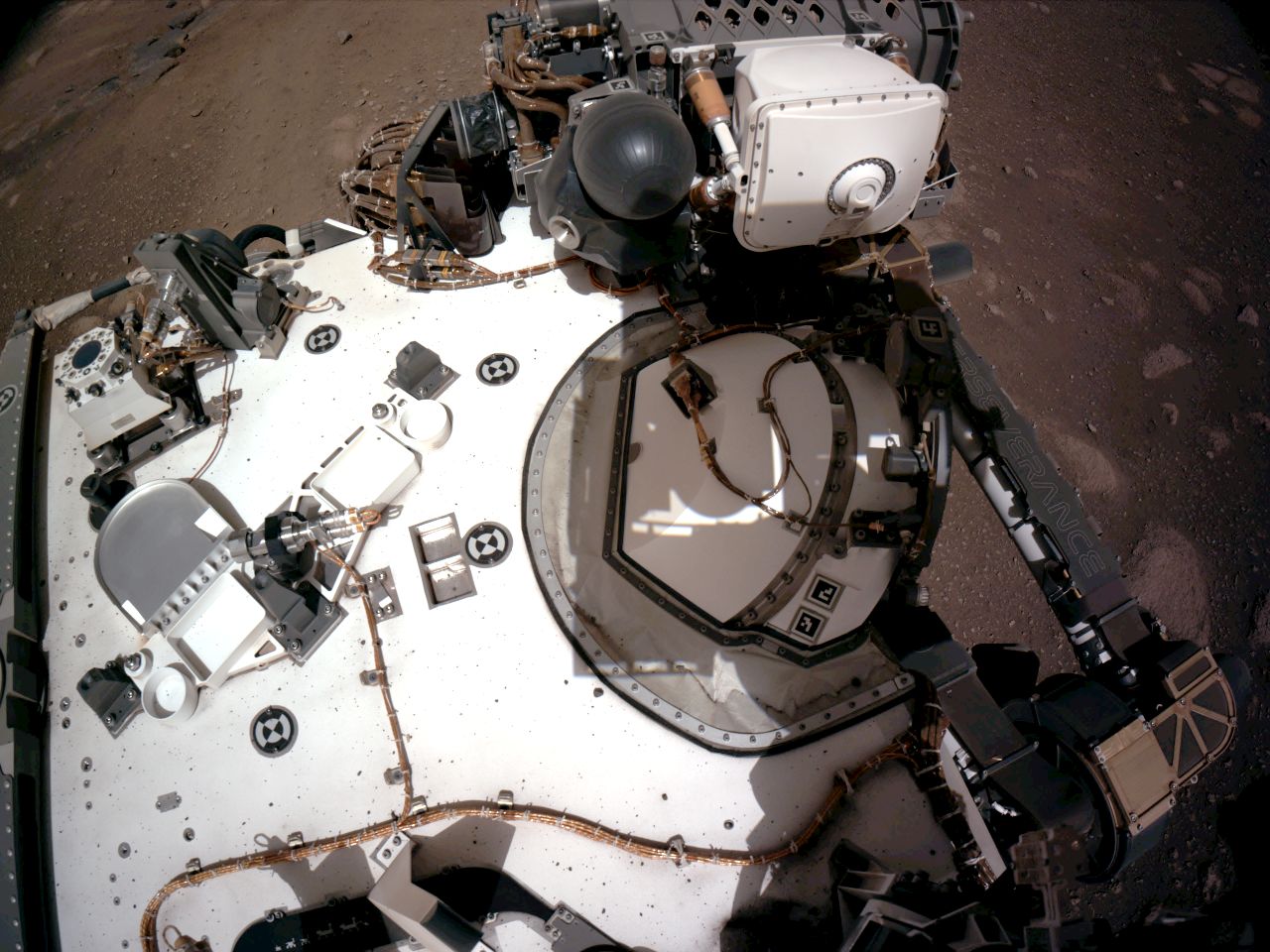
Perseverance's trouble began about three weeks after one of its best moments. On Oct. 11, the rover passed the off-world driving record of 28.06 miles (45.16 kilometers) set by its predecessor, Opportunity. Nineteen days later, the rover's main UHF downlink radio stopped sending its routine "heartbeat" signals to the main computer. Perseverance uses that radio to send data to orbiters overhead, which relay it to Earth.
The rover responded the way it was designed to. It switched to its backup UHF radio and entered safe mode, a protective state in which nonessential systems are shut off. Engineers brought it out of safe mode and then found a second problem. According to NASA's update, the backup radio was transmitting at only about half its expected power.
The team has stopped using the backup radio too. Perseverance now sends data straight to NASA's Deep Space Network antennas on Earth through its high-gain antenna. That link works, but it carries much less data than the relay route. Mission managers want to use that limited capacity for diagnostic information, so they have suspended science work, including camera observations. The mission's raw-image page has not posted new pictures since Nov. 7.
"The rover is stable and communicating with the team," NASA said. Officials added that "the team is hopeful the rover could return to science by the end of November."
That timeline sounds optimistic, and NASA has framed it as a hope rather than a firm date. The update does not say what caused either radio to falter or whether the backup's reduced power can be fixed. If neither UHF radio can be restored, the rover could keep working over its direct-to-Earth link. Its output would shrink, however, because the relay network carries most of the data that surface missions send home. For a rover whose main job has been collecting and documenting samples, that would be a real loss even if the vehicle itself stays healthy.
The stakes are high because the mission has been so productive. Since landing in Jezero Crater in February 2021, Perseverance has confirmed that the crater once held a lake that could have supported life billions of years ago. It has also found a range of complex organic compounds in Martian rock. Scientists say some of those compounds could be signs of past life, but they say testing that idea properly will probably require returning the rover's samples to Earth.
Odyssey's margin for error is nearly gone
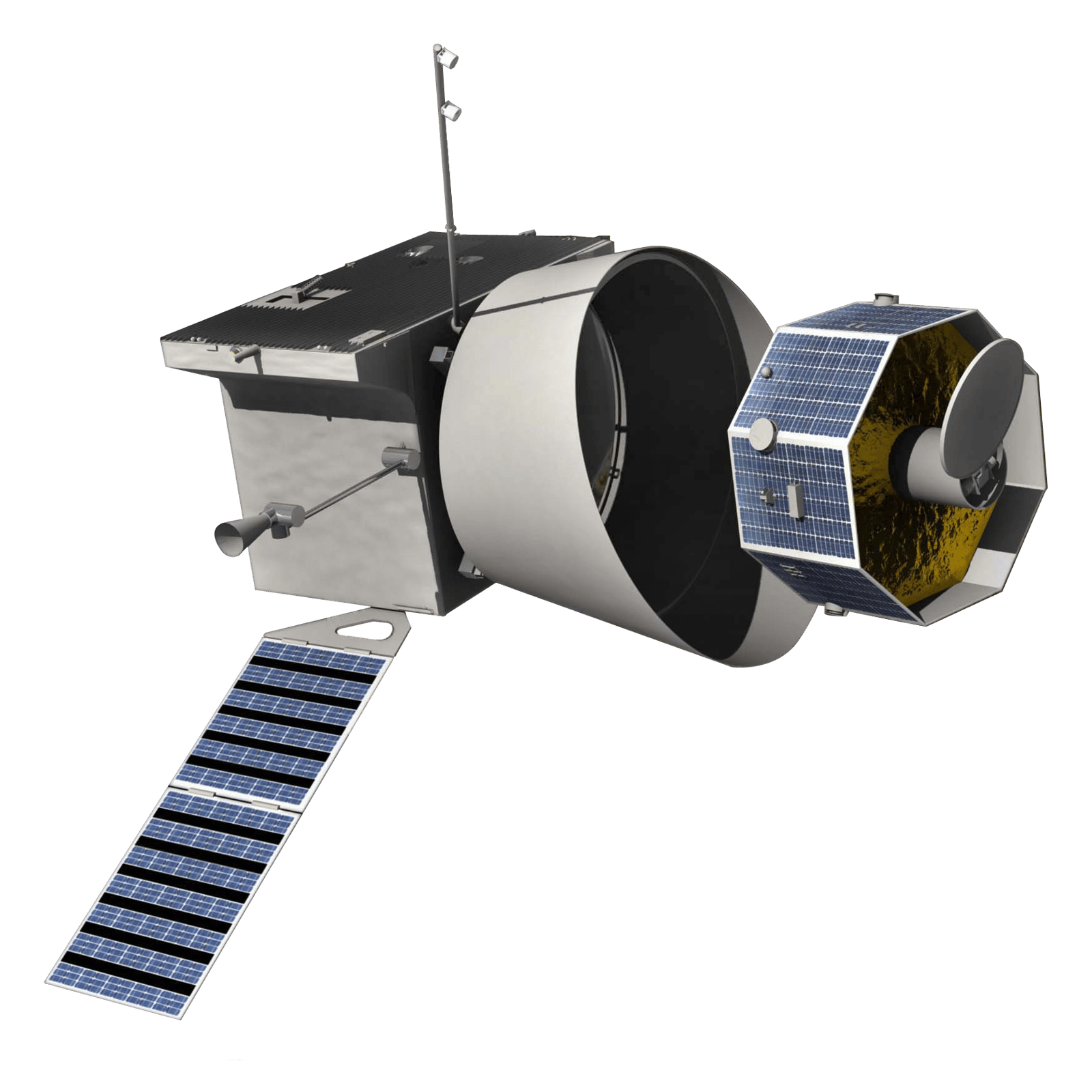
Odyssey's situation looks more serious. The orbiter has been at Mars since October 2001, longer than any other spacecraft, and it uses four reaction wheels to control its orientation. It needs three working wheels to do that. One wheel failed in 2013, so the orbiter has had no spare for more than a decade.
On Nov. 4, Odyssey went into safe mode when another wheel stopped working properly. It stayed there until Nov. 6 while engineers studied the problem. They have made some progress. At one point they got the faulty wheel to turn on command. "Further testing is being conducted to confirm whether the wheel is recoverable," NASA said.
Odyssey has been out of safe mode for two weeks but has not resumed either science observations or relay service. NASA said its goal is to restart both after testing and analysis wrap up during the last week of November.
If the wheel can't be saved, Odyssey would have to control its orientation with thrusters alone. NASA says the orbiter has enough hydrazine left to do that for only a month or two. In other words, a failed recovery would almost certainly mean the end of the mission within weeks, not years.
The partial movement of the wheel is encouraging, but it is not a fix. A wheel that turns once on command during testing may not hold up under the steady, precise work of keeping an orbiter pointed for months of mapping and relay passes. NASA's hedged wording suggests the team knows this.
Odyssey's legacy is secure either way. NASA credits it with producing the first global maps of the Martian surface's composition, which geologists still rely on. Those maps have helped rule out hazardous landing sites, pointed rovers and landers toward promising targets, and traced water molecules in the top 3 feet (1 meter) of soil, including buried ice that future astronauts might one day use.
Odyssey has also served for years as a relay for NASA's landers and rovers. That role links the two stories. Because of its radio problems, Perseverance isn't using relay orbiters right now, and one of the oldest of those orbiters may be close to retirement. Neither problem causes the other. Taken together, though, they show how much NASA's Mars program depends on aging hardware, much of it working far beyond its original design life.
The coming days should clarify how serious each problem is. The key test is whether the rover's UHF radios and Odyssey's reaction wheel can be made reliable for long-term use. A restart only proves that they can still work at all.
Sources
Theo Anderson
Theo Anderson covers astronomy, space discoveries, and the observations expanding our picture of the universe. His work follows telescope findings, planetary research, and the questions behind new results. He explains the tools and concepts involved, placing striking images and announcements in context so readers can understand what scientists have learned.
View all stories