Fiona the hippo dies after swallowing a hat that a ceiling fan flung into her habitat
The Cincinnati Zoo's famous hippo was 9. Vets tried a horse farm's vibration plate, a colonoscopy and round-the-clock care, but hippo anatomy left them few options.

· 5 min read
Fiona, the Cincinnati Zoo hippopotamus whose premature birth made her an internet celebrity, died Thursday after veterinarians spent more than a week trying to help her pass a knit hat she had swallowed. She was 9.
The zoo announced her death on social media, saying its veterinary and keeper staff had made repeated attempts to clear the cap and gave her supportive care on her final day, but she did not recover. "Despite multiple attempts to move the hat out of her system, it was ultimately too much to overcome," the zoo wrote.
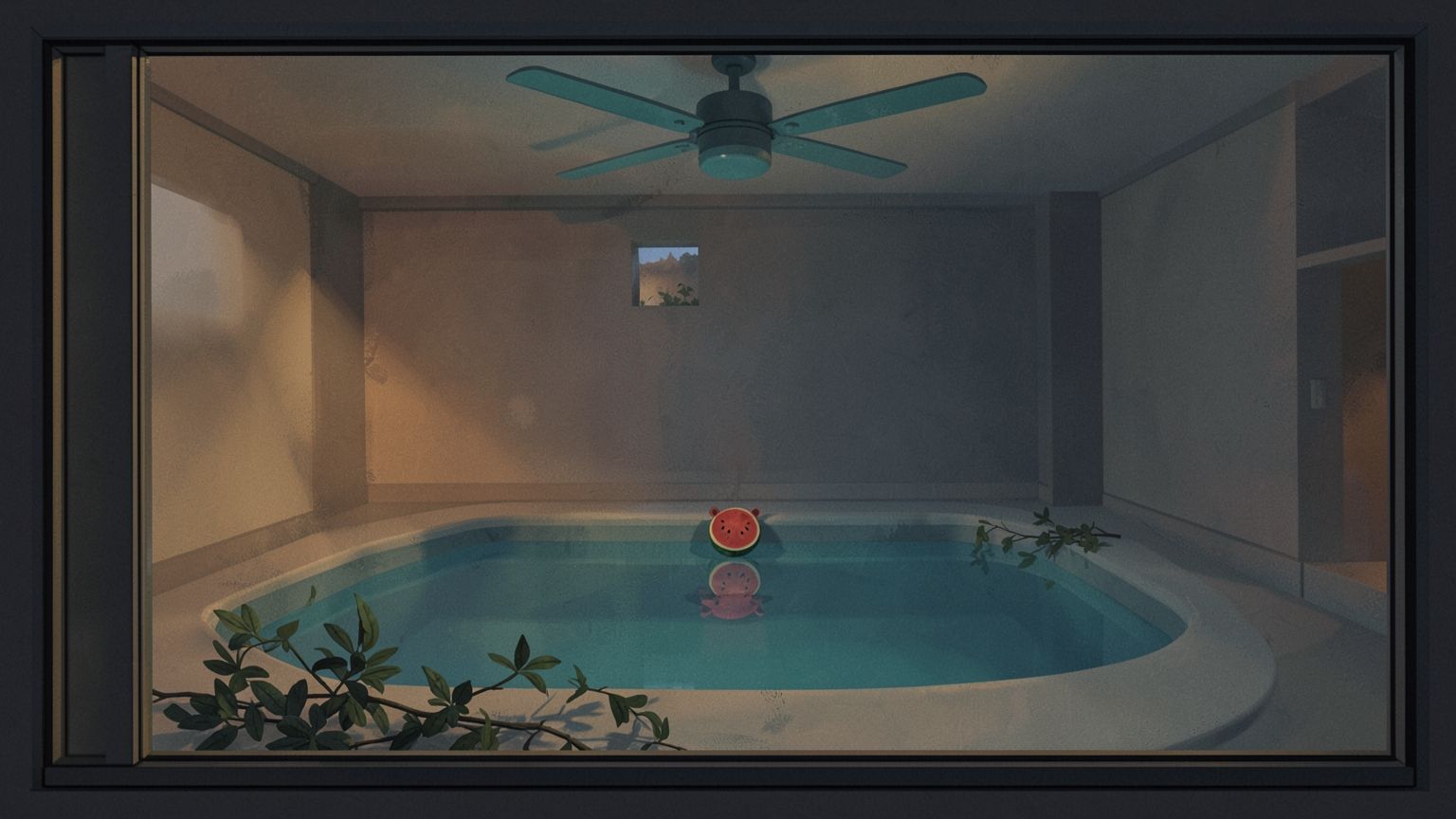
The way the hat reached her makes this an unusually hard loss. A visitor tossed the cap into the air, where a ceiling fan caught it and launched it through a small opening above the viewing windows of the hippo area, zoo spokesperson Michelle Curley said. She described it as a complete accident. Fiona swallowed it roughly 11 days before she died and soon began losing her appetite.
That chain of events reads like a freak accident, and in a sense it was. Still, the weak point was structural. No zoo can stop every visitor from tossing a hat, but an opening above the glass that a fan can push objects through is something a zoo can design out. The reporting doesn't say whether Cincinnati plans to change that space. Closing it seems the most obvious lesson here, more useful than any argument about who threw what.
Why a knit cap was so hard to remove
For days, Fiona's care team tried nearly every option short of surgery. Mike Wenninger, the zoo's director of animal health, said she was watched and treated around the clock. Her care included enemas along with medication for pain and nausea. Staff also kept her hydrated and offered her favorite foods in hopes of getting her gut moving.
Some of the methods were improvised. The zoo borrowed a vibration plate from a local horse farm and had Fiona stand on it several times a day, hoping the shaking would nudge the hat along her digestive tract. Keepers even let her smell coffee. "Her care team even offered her a sniff of coffee, a scent she has always liked," Curley said in a Wednesday update, adding that staff were glad to see a reaction. The zoo said Fiona answered with approving grunts and twitches of her ears.
Veterinarians sedated her twice to check on her condition, most recently Tuesday. An ultrasound that day showed her intestines bunching, which Wenninger said meant her body was still working to push out the obstruction. During the same sedation, the team passed a 9-foot scope through her rectum. It found nothing and could not retrieve the hat.
Surgery was never really available. Specialists told the zoo it isn't a viable option for a full-grown hippo, Wenninger said, and the animal's anatomy explains why.
Jack Kottwitz, an assistant professor at Michigan State University's College of Veterinary Medicine, told The Associated Press in an email that hippos digest plants in a stomach with several chambers, a bit like a cow's, though they don't bring food back up to chew cud. Those chambers, along with folds of tissue, fluid and food in mid-digestion, can easily hide a swallowed object from an endoscope, he said.
An operation would have stacked one risk on another, in his account. Hippos are notoriously difficult to anesthetize, and their skin can be more than 2 inches thick. Surgeons might need several incisions over a very long procedure. Afterward, Fiona would have had to stay out of the water for days while the wounds healed, which is a serious problem for an animal that depends on it. And because no reliable test could show whether the hat sat in the stomach, intestine or colon, Kottwitz said, surgeons might have had to search the whole digestive tract.
Kottwitz had judged waiting to be Fiona's best chance, since she might still pass the hat. A cap isn't plant fiber, so the gut could move it slowly, he said, and that could be acceptable as long as she showed no signs of a blockage. Read together, the reporting describes a team that ran out of options, not one that chose the wrong one. With surgery ruled out and the scope unable to find the cap, patience was the only real treatment available.
A celebrity from her first day
Fiona's fame came from a fight to survive. She was born in January 2017, six weeks early, and was the first Nile hippo born at the Cincinnati Zoo & Botanical Garden in 75 years. She weighed 29 pounds, which was 25 pounds less than the lowest birth weight then recorded for her species. She couldn't stand at first and couldn't nurse from her mother, Bibi, so a zoo staffer hand-milked Bibi to feed her.
The zoo documented her progress in photos and videos, and people around the world followed along online. Her story eventually produced books, a beer, an ice cream flavor, clothing and a bobblehead. Later clips of Fiona and her younger brother Fritz, born in 2022, chewing watermelons, wading among tilapia and stretching for leaves kept her audience growing.
Her timing mattered too. Fiona arrived months after the zoo faced intense backlash over the killing of Harambe, the gorilla who was shot after a child got into his enclosure. Fiona gave the zoo a story of survival instead. That helps explain why her death reached well past people who follow zoo news.
Zoo director Dave Jenike praised the staff who treated her. "They did everything possible, but her body couldn't fight anymore," he said, adding, "Her loss will be felt deeply by so many." Each of Cincinnati's three major professional sports teams posted a tribute on social media. One called her "the queen of the Queen City." Another described her as a symbol of hope and resilience for the city.
A familiar danger for zoo animals
Fiona's death fits a long pattern. Zoos have warned for years about objects thrown or blown into animal habitats. Two years ago, a rare antelope at a zoo in Tennessee choked to death on the plastic lid of a squeezable fruit pouch. In 2014, a polar bear at a German zoo died after swallowing a jacket a visitor dropped into his enclosure. Pet owners face a smaller version of the same risk: veterinarians say dogs that swallow balls, toys and string are a common reason for emergency visits.
What sets Fiona's case apart is that no one appears to have aimed anything at her habitat. The hat got in through a gap that only became dangerous when a fan sent the cap through it. For an animal that could not be safely operated on, the only real protection was keeping the hat out in the first place.
Sources
- Phys.org — Biology: Fiona the hippo dies after failed effort to remove swallowed hat
- ESPN — NFL: ❤️ Bengals pay tribute to Fiona the hippo after her death
- Phys.org — Biology: Cincinnati Zoo hopes a little shake will help Fiona the hippo pass a swallowed hat
- Phys.org — Biology: Cincinnati Zoo trying to shake loose Fiona the hippo after she swallowed a hat
Theo Anderson
Theo Anderson covers astronomy, space discoveries, and the observations expanding our picture of the universe. His work follows telescope findings, planetary research, and the questions behind new results. He explains the tools and concepts involved, placing striking images and announcements in context so readers can understand what scientists have learned.
View all stories