Suzuki brings back the Ignis as a tiny electric city car for global markets
The third-generation hatchback is EV-only, grows out of Japan's e Sky kei car and goes on sale in Europe and other markets in summer 2027. Pricing is still unannounced.

· 5 min read
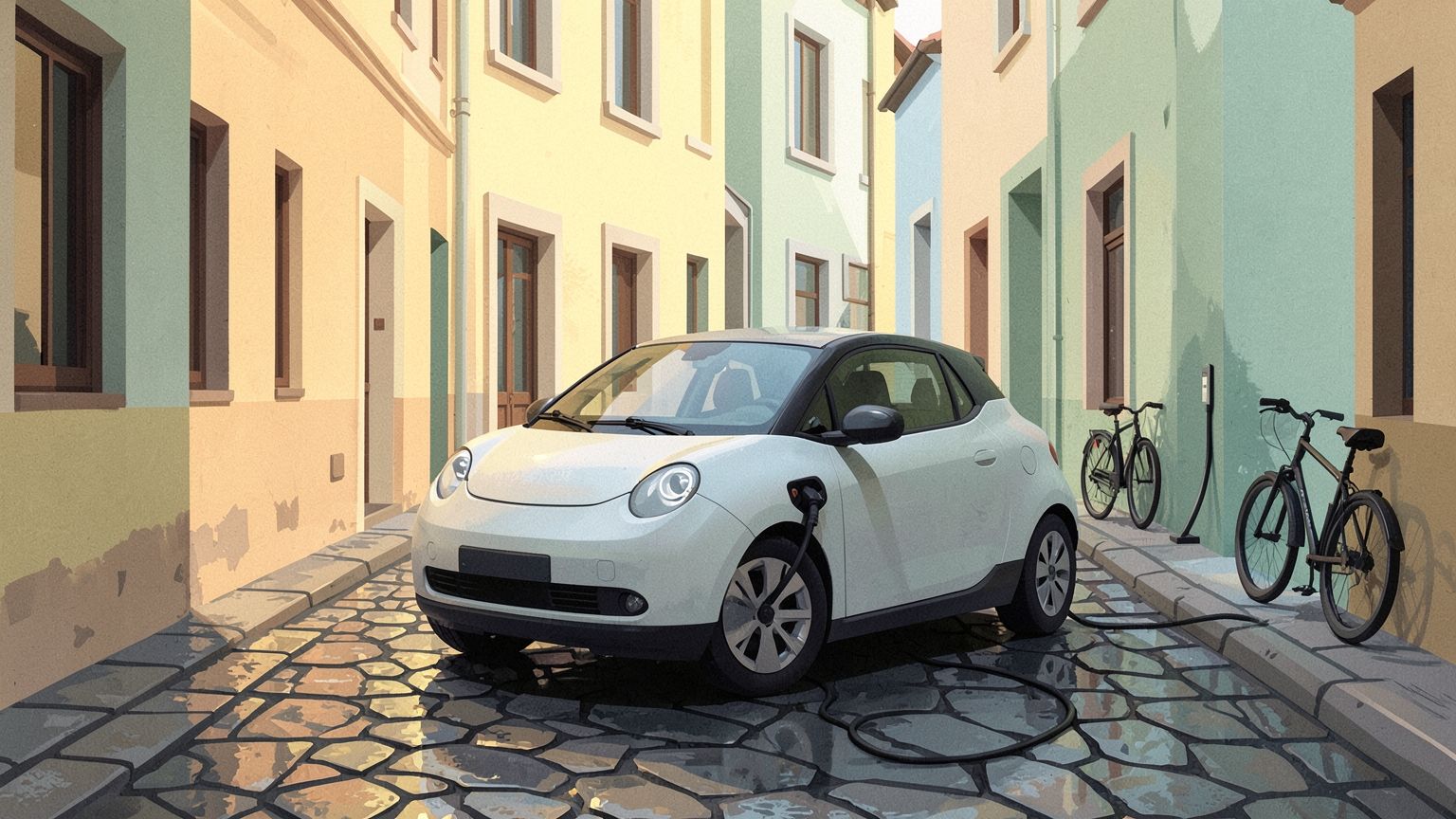
Suzuki's Ignis is coming back as a battery-electric four-seater built for crowded streets in Europe and other markets outside Japan. The automaker revealed the third-generation car Wednesday and called it its "first compact EV for global markets."
The new Ignis will be sold only as an EV, a first for the nameplate. Suzuki says sales will begin in Europe and other markets in summer 2027. It has not announced prices, driving range or charging specifications. American buyers won't get it. The Ignis has never been sold in the United States, and Suzuki has not sold cars here since it pulled out of the U.S. auto market in 2012.
A kei car stretched for export
The Ignis is heavily based on the e Sky, Suzuki's first electric kei car, which was recently revealed for Japan. From the outside, the two look nearly identical. The main differences are dimensions. Because the Ignis doesn't have to fit inside Japan's kei-class size limits, Suzuki made it longer and wider while keeping the same wheelbase.
- Length: 140.6 inches (3,570 mm), compared with 133.7 inches for the e Sky
- Width: 61.6 inches (1,565 mm), compared with 58.1 inches
- Height: 64.4 inches (1,635 mm), about 0.4 inch taller than the e Sky
- Wheelbase: 96.9 inches (2,460 mm), the same as the e Sky
Even with the extra size, this is the smallest Ignis Suzuki has built. Its turning radius is 14.7 feet (4.5 meters), which should make U-turns and tight parking garages easy.
The powertrain carries over directly from the e Sky. Both cars use Suzuki's dedicated HEARTECT-e EV platform, a 26-kWh lithium iron phosphate battery and one front-mounted motor rated at 90 horsepower (67 kW) and 98 pound-feet of torque. Suzuki did not name the battery's supplier. Electrek reported that the e Sky's pack comes from BYD's battery business, a move aimed at holding down costs.
That reuse is the sensible part of the plan. Sharing a platform, motor and battery with a car already engineered for Japan should help Suzuki keep the Ignis cheap, and price will decide whether a car this small succeeds anywhere.
Range and price are the open questions
Suzuki has not given a range estimate for the Ignis. The only available comparison is the Japanese e Sky, which Suzuki rates at 310 km, about 190 miles, on Japan's WLTC test cycle. The company also claims a "class-leading" AC energy consumption rating of 97 Wh/km for that car.
The Ignis will probably fall short of that figure. It is larger and almost certainly heavier on the same 26-kWh battery, and European ratings use the WLTP cycle rather than Japan's WLTC. Japanese ratings also tend to run higher than what drivers see in daily use. With a pack this small, the Ignis is mainly a car for commuting and errands, and Suzuki's "Easy to Switch" development theme suggests it is aimed at first-time EV owners who don't regularly drive long distances.
Charging is also unconfirmed. The e Sky accepts DC fast charging at up to 50 kW. That would be slow on a larger EV, but it is reasonable for a battery of this size, and it would be surprising if the Ignis were very different.
Pricing matters more than either figure. In Japan, the e Sky starts at 2,120,000 yen, about $13,500. The Ignis will compete with several small EVs Electrek lists in Europe and the U.K.:
- Renault Twingo E-Tech: from under 19,490 euros, or 14,745 pounds in the U.K.
- BYD Dolphin Surf: from about 22,990 euros, or 18,675 pounds in the U.K.
- Honda Super-N: from 18,995 pounds in the U.K.
Higher European equipment requirements and shipping costs make it unlikely that Suzuki can match the e Sky's Japanese price there. If it can come in near or below the Twingo, the Ignis would have a clear role as the smallest and simplest car in a class where rivals keep getting bigger. If it is priced close to the Dolphin Surf, buyers may wonder why they should accept a smaller battery and four seats.
Basic inside, distinctive outside
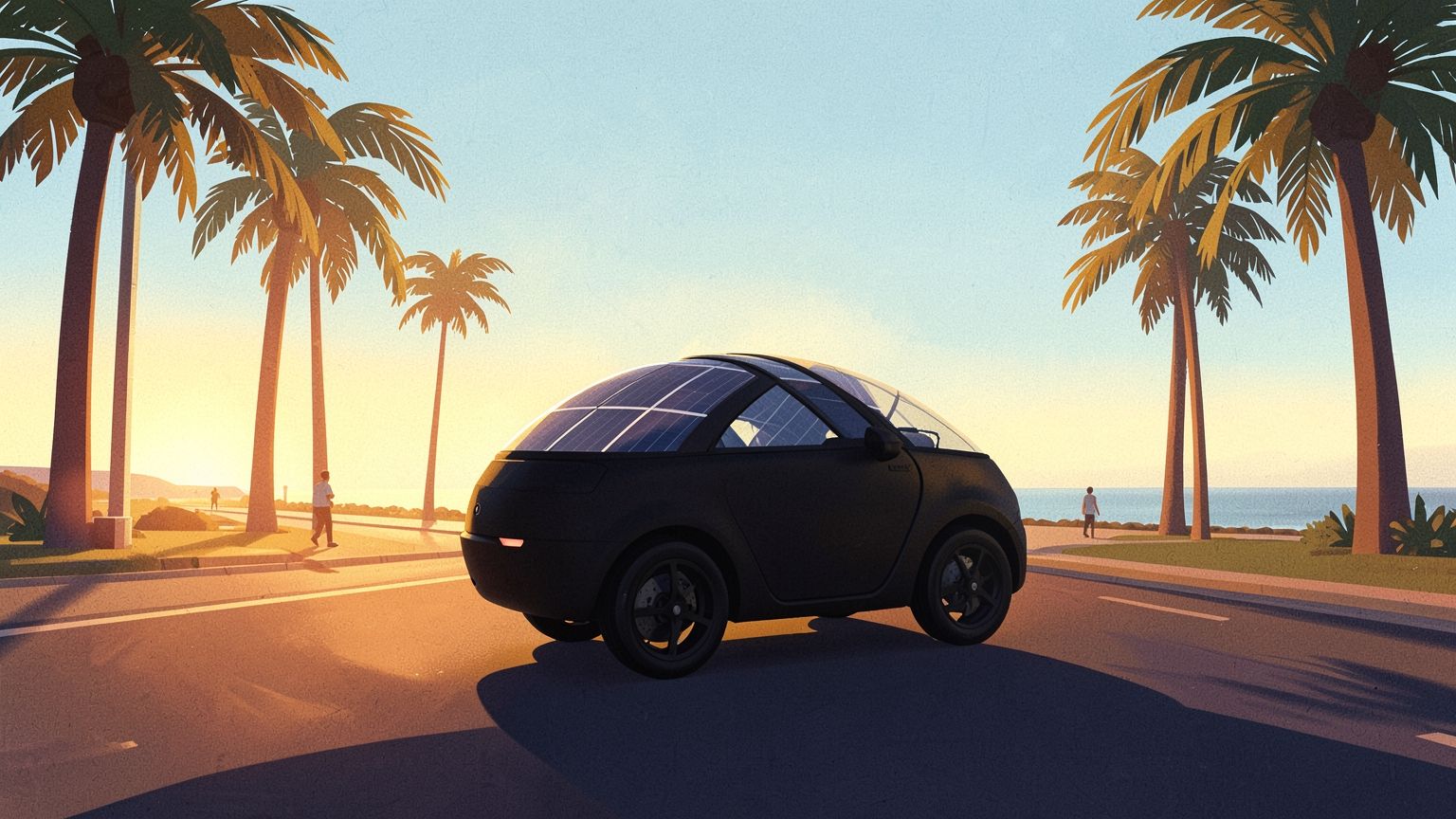
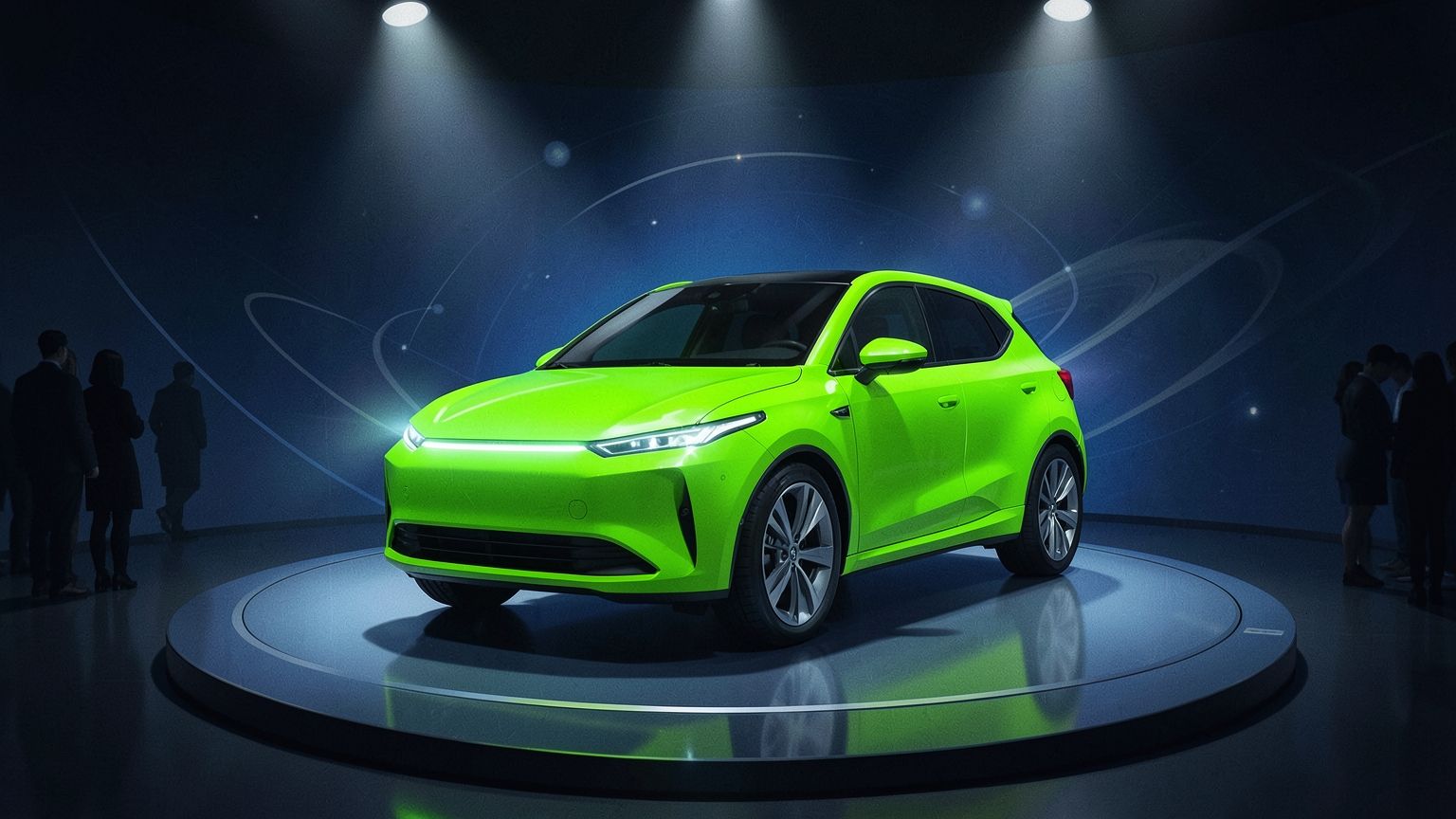
Suzuki gave the Ignis an approachable look. It has a blacked-out grille, daytime running lights the company describes as "friendly," black fenders and side skirts, a black rear bumper and clear taillights. A small antenna sits off center on the roof.
Suzuki has not released full interior specifications, but photos show a small digital instrument cluster, a large infotainment screen, a driver monitoring system, heated front seats and two USB-C ports. The car also has a separate panel of physical climate controls instead of moving temperature and fan settings into the touchscreen. That choice deserves credit. Many automakers have buried basic functions in screens, and physical controls are easier to use while driving.
The rear seat is less impressive. It appears to be a plain cloth bench with few amenities. The Ignis seats four, not five, which is expected given its footprint, but it means the car will work better as a primary vehicle for singles and couples than for families.
The e Sky is offered in Japan with playful paint schemes and accent colors. Suzuki has not said whether the Ignis will get similar options for export markets. Adding them could help the car stand out among small EVs that often look alike.
From hatchback to crossover to EV
The original Ignis went on sale in 2000 as a three- and five-door hatchback with 1.3- and 1.5-liter four-cylinder engines. In some markets, including Japan, it was sold as the Swift. Production ended in 2008, and the name was unused until 2016, when Suzuki brought it back as a small crossover built in Japan and India with gasoline, diesel and mild-hybrid powertrains. That second-generation model is no longer in production.
The new model changes the formula more than either earlier generation did. It is smaller, electric-only and built from a Japanese kei car rather than a global small-car platform. That approach makes sense for Suzuki, a company whose reputation rests on compact, affordable cars. Its first global battery-electric model was the e Vitara crossover, and the Ignis fills a less expensive slot below it.
Suzuki says the Ignis has been tested extensively on public roads in Europe and other regions. The company says it adjusted the chassis and power delivery for the road conditions and driving habits of its main export markets. Whether that work pays off will depend on two numbers Suzuki has not released: the range rating and the price for each market.
Sources
Julian Morales
Julian Morales follows automakers, vehicle manufacturing, and the supply chains behind the cars reaching dealerships. His coverage connects factory plans, production figures, supplier developments, and company announcements with broader industry changes. He explains how manufacturing decisions and parts availability can influence vehicle output, delivery schedules, and the direction of the automotive business.
View all stories