Electric truck maker Harbinger adds $100 million in debt on top of its Series D
Senior debt from Erebor Bank and a convertible note from Pinegrove follow a $240 million equity round, as the startup builds out its 2,000-truck FedEx order.

· 3 min read
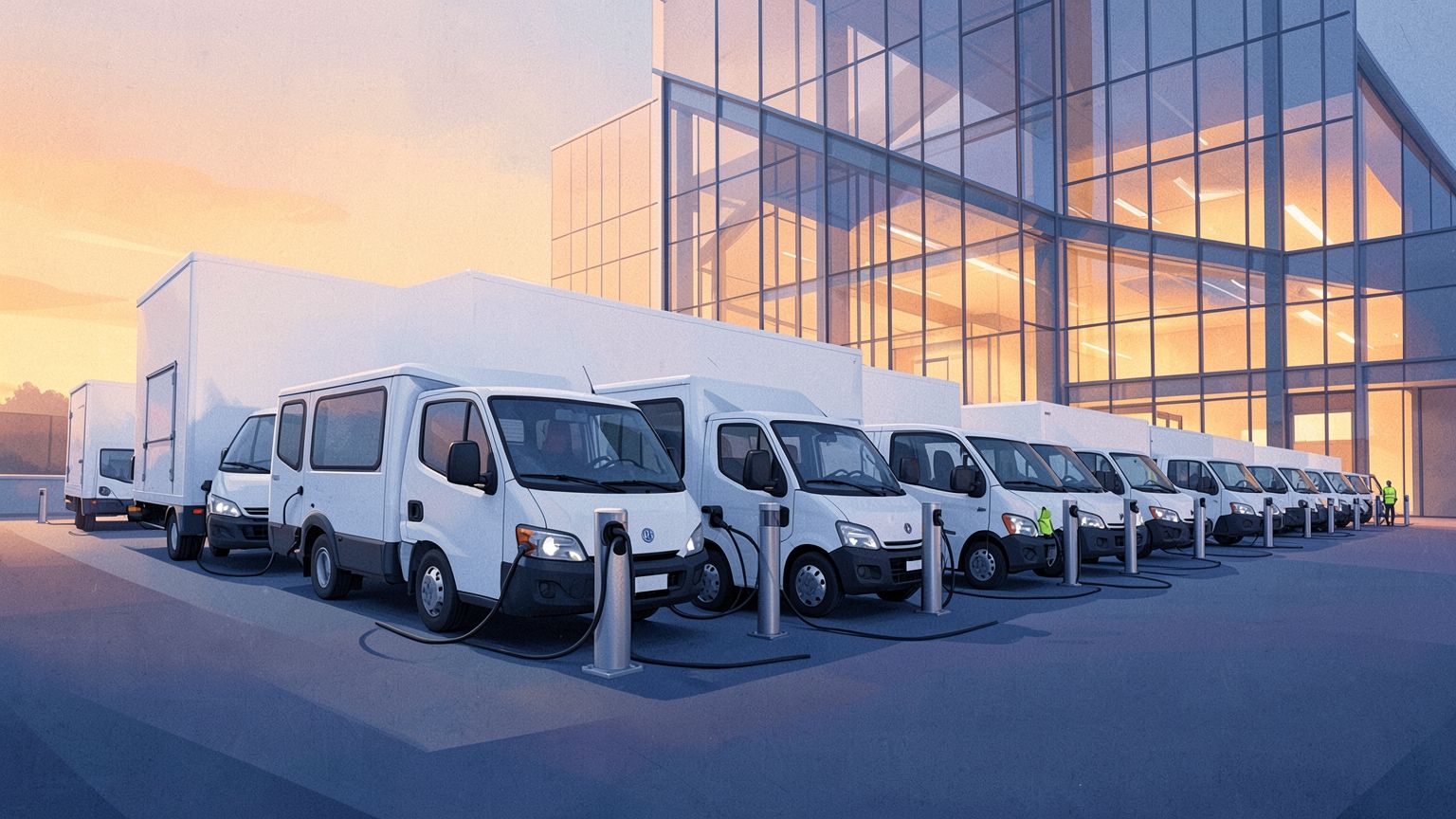
Harbinger, the electric medium-duty truck maker, has lined up another $100 million in financing, weeks after closing a $240 million Series D round. The new money combines senior debt from Erebor Bank with a convertible note from Pinegrove Venture Partners. Together the two deals give the company $340 million in fresh capital this month.
The Series D, announced earlier in November, was co-led by Tiger Global, the Capricorn Technology Impact Fund and Ridgeline. Counting that round, Harbinger has raised more than $650 million since 2021.
The funding follows the deal that turned Harbinger from a promising startup into a supplier with a major customer. FedEx has placed a $300 million order for 2,000 medium-duty electric delivery trucks. Electrek described it as likely one of the largest binding orders ever for electric medium- or heavy-duty trucks. Spread across the full order, the price works out to an average of roughly $150,000 a vehicle.
Harbinger has also won a defense contract with the U.S. military. It has added more than 400 jobs this year and says it plans to hire hundreds more in the coming months.
The company says the money will speed up production of its medium-duty platform. It will also pay for a push into energy storage systems, power generation, autonomy software and defense work. The $100 million in debt and convertible financing will go toward the same expansion.
Co-founder and CEO John Harris framed the company's ambitions well beyond trucks. "Harbinger exists to challenge what industry has learned to accept, and reinvent the critical systems the world depends on," he said. He added that electrification increasingly sits at the center of industry, defense, mobility and AI, and that "Harbinger's role is not simply to give customers another option."
The structure of the latest financing is more telling than the amount. Senior lenders get paid first if a borrower runs into trouble, and they typically want hard assets or dependable revenue behind a loan, so senior debt is a different kind of backing than a venture round. A convertible note, meanwhile, puts money in now and settles the valuation question later. That's a common tool when a company is growing fast and a fresh price could look different in a year.
For a commercial EV startup, that mix looks like a sensible way to fund a production ramp without cutting every new dollar out of shareholders' stakes. The tradeoff is real, though. Debt has to be serviced whether or not trucks ship on schedule.
Harbinger's choice of market is its strongest argument. Medium-duty delivery trucks, the step vans and box trucks that run parcel routes, look close to an ideal fit for batteries. They travel predictable daily distances, return to the same depot every night and can charge there for hours. Fleet operators like FedEx and Amazon have been moving to electrify their fleets to cut emissions and to escape rising diesel prices.
The expansion plan is where caution is warranted. Energy storage, power generation, autonomy software and defense are each demanding businesses with entrenched competitors. Harbinger is entering all of them while it still has to deliver 2,000 trucks to one of the most exacting fleet customers in the country. Startups in this space have repeatedly struggled when spending outran production. Lordstown Motors and Nikola both ended in bankruptcy, and Canoo, where several of Harbinger's founders previously worked, collapsed in early 2025.
Harbinger's situation differs in important ways from those cautionary tales. It has a large binding order from a blue-chip customer, a defense contract and growing headcount backed by actual hiring. But the FedEx trucks are the proof point everything else rests on. If they arrive on time and perform on real routes, the side bets on storage and defense will look like smart extensions of a working platform. If production slips, the same plans could look like distractions.
For now, the funding gives Harbinger enough runway to try. The next real test isn't another round of financing. It's how quickly those 2,000 trucks start showing up in FedEx's depots.
Sources
Julian Morales
Julian Morales follows automakers, vehicle manufacturing, and the supply chains behind the cars reaching dealerships. His coverage connects factory plans, production figures, supplier developments, and company announcements with broader industry changes. He explains how manufacturing decisions and parts availability can influence vehicle output, delivery schedules, and the direction of the automotive business.
View all stories