Norse Atlantic files for bankruptcy a day after grounding its transatlantic flights
The Norwegian low-fare carrier says it could not raise enough cash. Ticketed passengers are told to stay home and seek refunds through card issuers, insurers and travel agents.

· 4 min read
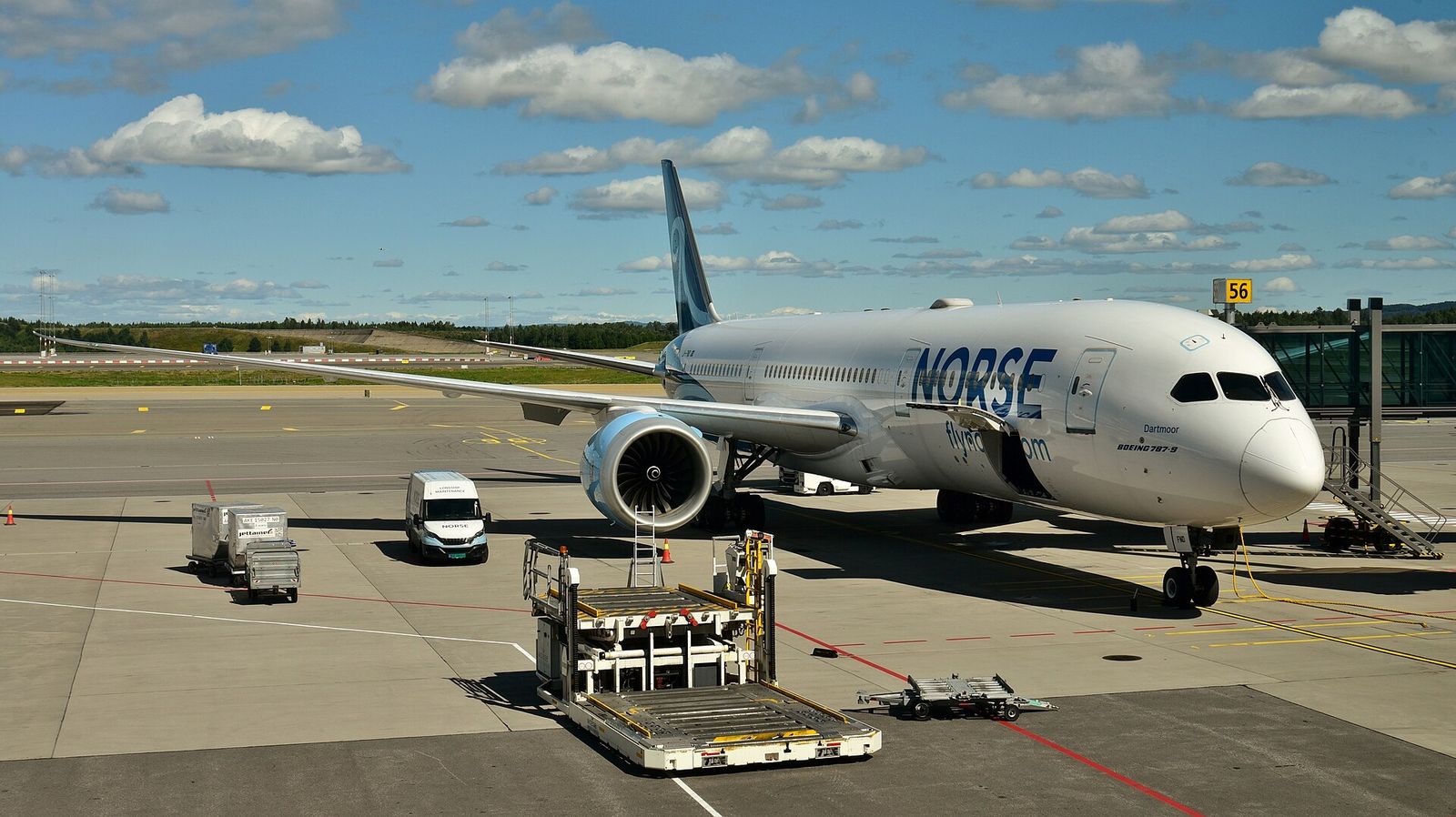
Norse Atlantic Airways, the Norwegian budget carrier that sold cheap long-haul seats between Europe and the United States, filed for bankruptcy Friday. The filing came one day after the airline stopped flying and stopped selling tickets.
The shutdown on Thursday, Thanksgiving Day in the U.S., means anyone holding a Norse ticket now has to find another way home or another way to travel during one of the busiest stretches of the year. All flights of Norse Atlantic U.K., a sister airline, were canceled Friday as well.
Parent company Norse Atlantic ASA said the board chose to file after it "concluded that there is no longer a basis for continued operations." The company said it had tried hard to raise money but had not found enough to cover its near-term cash needs. That points to a liquidity crunch: the airline ran out of cash to keep operating, and lenders and investors would not put in more.
What ticket holders are being told
The airline's website tells passengers with canceled flights not to go to the airport unless they have already booked with a different carrier. It points customers to their travel agents, travel insurance companies and credit card issuers for help with new arrangements and refunds.
Norse cannot help them directly. The website says customer service is no longer reachable by phone, email, chatbot or social media. "We know this will disrupt travel plans and may leave some passengers away from home," the site said.
That leaves travelers with little support from the airline itself. Someone stuck in Europe or the U.S. after the cancellations will most likely have to buy a new ticket at short notice, at holiday prices, and then try to get money back through a card company or insurer. Travelers who booked directly with Norse have no agent to call, so they will carry more of that work themselves.
There is a small chance the shutdown does not last. CEO Eivind Roald said the company hoped to find a solution that would let it and Norse Atlantic U.K. keep flying. He gave no details on what that would involve. Given that the board has already filed and halted ticket sales, that hope looks like a long shot. Passengers would be unwise to plan around it.
A fragile business model meets a fuel shock
Norse was founded in 2021. Its routes connected Europe with Asia, South Africa and the United States. It started at an odd time to launch a long-haul airline. Transatlantic travel was still recovering from the pandemic. Norwegian Air Shuttle, the country's best-known low-cost carrier, had recently given up on its own long-haul flying.
Norse tried to make that model work anyway: wide-body jets, low base fares, and fees for extras. Low-cost long-haul flying has a poor record. Iceland's WOW air and Primera Air both collapsed in 2018 and 2019 after selling cheap transatlantic fares. Norwegian's long-haul expansion piled up heavy losses before it was shut down. A budget carrier can save money on short flights by turning planes around quickly and using cheaper airports. On an eight-hour ocean crossing, those savings mostly disappear. Every airline burns about the same fuel to get across, and fuel is one of the biggest costs in the business.
That makes fuel the key to this failure. Jet fuel prices have risen during the U.S. war with Iran. The increase has hurt smaller airlines most, especially those that started the year with weak finances. A carrier that competes almost entirely on price has little room to pass higher costs on to customers without losing the reason people booked it.
Norse is not the first casualty this year. Almost seven months ago, U.S. discount carrier Spirit Airlines stopped flying while in bankruptcy and went out of business. The two airlines operated in different markets, but they had the same weakness: thin finances and a business built on undercutting bigger rivals.
Airline industry bosses have warned travelers about rising jet fuel costs. The chief executive of Ryanair, Europe's largest airline, said earlier this month that he expects European fares to rise by as much as 20% next year as the Middle East conflict goes on. That is his forecast, not a certainty. Even so, Norse's exit removes one of the few airlines pushing transatlantic economy fares down, which helps make a forecast like that look reasonable.
For travelers, losing a carrier like Norse means fewer bargains, at least for now. Over the long term, it adds to the evidence that cheap fares across the Atlantic depend on fuel prices, and when fuel jumps, the airlines that charge the least are the first to fail.
Sources
Gabriel Santos
Gabriel Santos writes about financial markets, company developments, and the economic data behind business headlines. His coverage connects earnings announcements, market movements, and indicators such as inflation and growth with their broader context. He focuses on explaining reported figures, comparisons, and uncertainty so readers can follow developments across businesses and the wider economy.
View all stories