Court rules Amazon must handle recalls of 400,000-plus products sold by other sellers
A federal judge sided with safety regulators who say Amazon is a distributor, not just a shipper. The company now faces five years of recall duties and full refunds.

· 4 min read
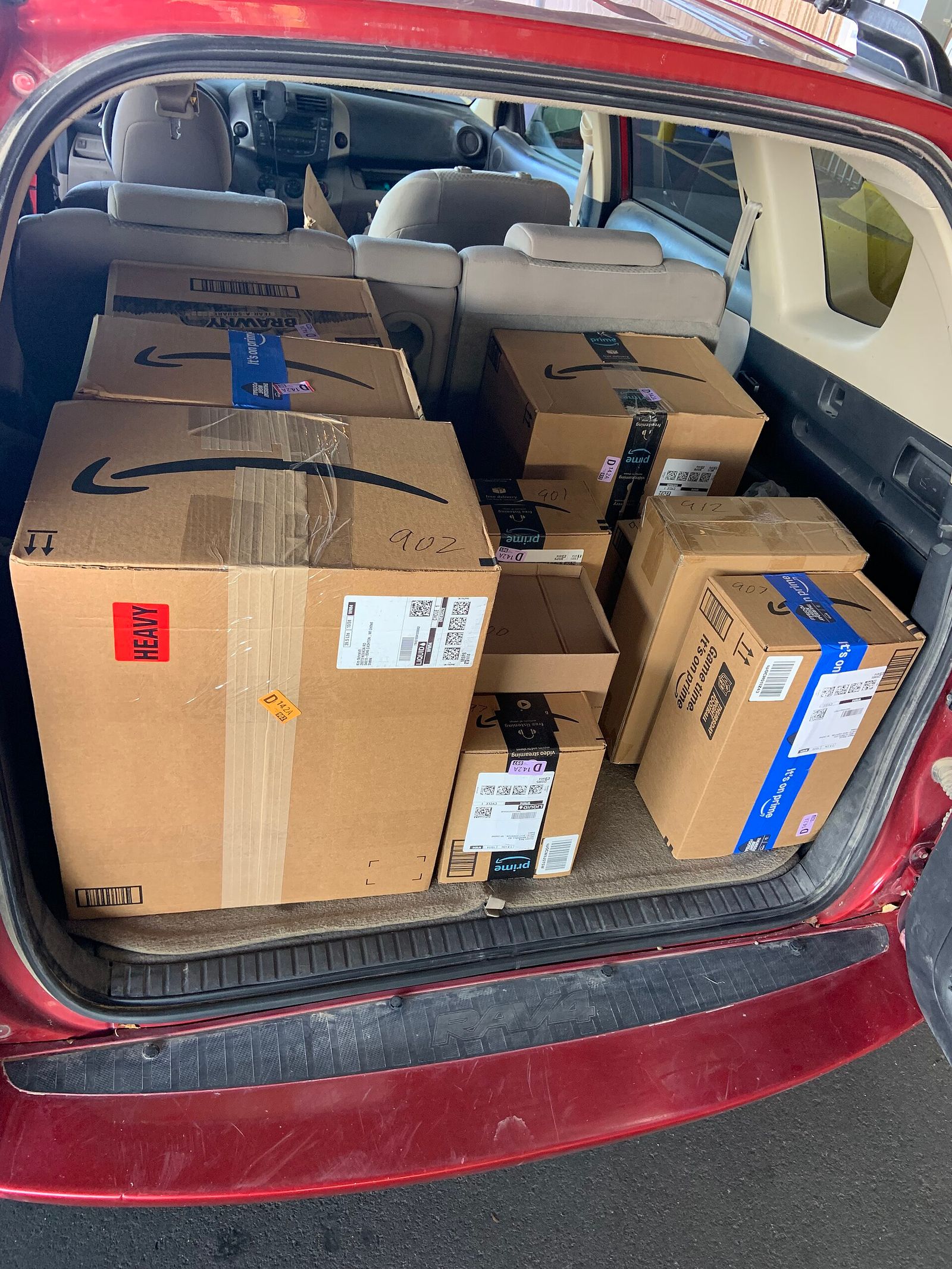
Amazon has to carry out recalls of more than 400,000 hazardous items that outside merchants sold through its store, after a federal court in Maryland sided with the U.S. Consumer Product Safety Commission in a fight over who is responsible when a third-party product turns out to be dangerous.
The U.S. District Court for the District of Maryland accepted the agency's central argument: Amazon acts as a distributor of the goods moving through its Fulfilled by Amazon program, not merely as a logistics company that stores and ships them. That distinction is the whole case. Federal product safety law puts recall obligations on distributors, and Amazon had argued that role did not fit what it does for independent sellers.
The products involved are not minor defects. The CPSC has said they pose a "substantial product hazard." They include carbon monoxide detectors that don't work properly, hair dryers lacking protection against electrocution and children's sleepwear that falls short of federal flammability rules.
What Amazon has to do now
The ruling puts into effect the remedies the CPSC first spelled out in an order in January 2025. Amazon sued the agency in March 2025 to block that order. Under its terms, Amazon must:
- Post the recall notices on Amazon.com on the same day the CPSC publishes them.
- Contact original buyers directly by email and add recall information to each buyer's "Your Orders" page.
- Send one round of notice to the Fulfilled by Amazon sellers who sold the affected products.
- Give a full refund of the purchase price to any customer who submits proof that the product was destroyed or thrown away.
- Keep the recall notices on its "Recalls and Product Safety Alerts" page for at least five years.
- File monthly progress reports with the CPSC for five years and keep records of its compliance for the same period.
For shoppers, the practical change is that the warning comes from the company they actually bought from, through the account where they placed the order. That is a sensible fix. Many of these items were likely sold under unfamiliar brand names by sellers who may be hard to reach, so a recall that depended on those merchants could easily reach almost no one.
The refund requirement is the part with real financial weight. The order makes Amazon responsible for paying back buyers. The available details don't say whether Amazon can recover that money from the sellers involved. Requiring proof of destruction is common in recalls and keeps hazardous goods from being resold, but it also adds a step that some customers will skip. How many people take the time to destroy a hair dryer and document it will largely decide how much these recalls clear out of homes.
Amazon's response and the stakes for marketplaces
Amazon did not say whether it will appeal. "We're reviewing our options following the ruling," spokesperson Sammy Brill said in a statement to The Verge. He described the company's recall process as "industry-leading" and said Amazon has a long-standing commitment to removing unsafe products and notifying customers.
If that process already reaches buyers effectively, the CPSC's requirements would mostly formalize what the company says it already does. What the order adds is legal force: the steps become obligations a regulator can monitor and enforce. And the case turned on a broader question, whether a marketplace that stores, packs and ships other companies' goods can be held legally responsible for them in the way a traditional retailer is.
That question is why the ruling matters beyond these 400,000 items. Fulfilled by Amazon is the service that lets independent merchants hand inventory to Amazon, which then warehouses it and delivers it to customers, often with the same Prime shipping promise as Amazon's own stock. To a shopper, there is little visible difference between the two. The court's reasoning treats that arrangement as distribution, and other platforms that offer similar fulfillment services will be reading it closely.
There are limits to what this decision settles. It comes from a single federal district court, and Amazon's comment leaves room for further legal action. The ruling also covers the specific products in the CPSC's order, not every item that third-party sellers list on the site. Whether the reasoning extends to marketplaces that only list products, without storing or shipping them, is a separate question the case doesn't appear to address.
Still, the five-year reporting requirement means this won't be a one-time cleanup. Monthly progress reports give regulators a steady view into how Amazon handles recalls, and a public record of the results. If Amazon's process is as strong as the company says, those reports will show it.
The available details don't say when the CPSC will publish the recall notices that start Amazon's obligations. Once it does, buyers of the affected carbon monoxide detectors, hair dryers and children's sleepwear should see notices by email and on their order pages, along with instructions for getting a refund.
Sources
Vivian Clarke
Vivian Clarke covers retirement planning news, pension developments, and long term saving. Her work follows changes to retirement programs, savings rules, and the economic conditions affecting later life finances. She explains terminology, published figures, and the scope of policy announcements, helping readers understand the context behind developments in retirement income and future household costs.
View all stories