Wendy's accused of coordinating franchise prices in proposed class-action suit
A customer's lawsuit says the chain used franchisee sales data to set and raise prices from 2016 to 2022. A point-of-sale software maker is also named.

· 4 min read
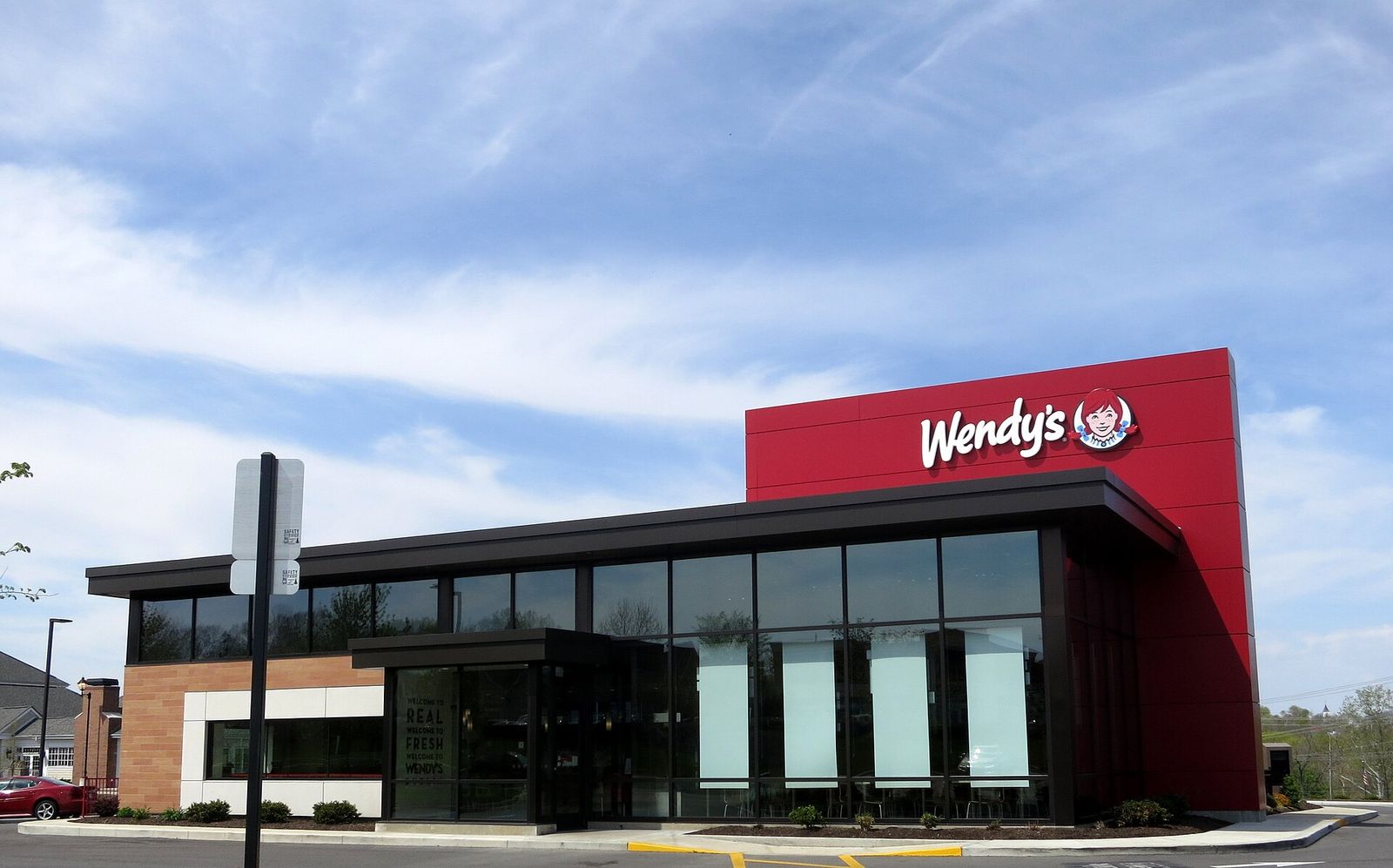
A Wendy's customer has filed a proposed class-action lawsuit claiming the burger chain worked with its independently owned franchisees to set and raise menu prices across its U.S. restaurants. The suit argues that this coordination removed the competition that would otherwise have kept prices lower.
The complaint was filed Monday in a district court in Maryland. It covers a six-year stretch from 2016 to 2022 and alleges that Wendy's gathered "competitively sensitive information" from franchise locations, including transaction data, and used it to coordinate pricing. The plaintiff, Andy Garcia, is a California resident who describes himself as a longtime Wendy's customer. He says the chain's "anticompetitive conduct" kept prices artificially high and made him pay more than he otherwise would have.
Garcia also named NCR Voyix as a defendant. The software company provides Aloha POS, the point-of-sale system Wendy's restaurants use. Neither Wendy's nor NCR Voyix immediately responded to requests for comment from CBS News.
These are allegations, not findings. The case has not been certified as a class action, and a court has not ruled on any of the claims.
A franchise system cast as a cartel
The core of the complaint is a challenge to how franchising works. Most Wendy's restaurants are not run by the company. As of September, Wendy's operated 432 U.S. restaurants itself, and 6,762 were in the hands of franchisees, according to the company's most recent regulatory filing. Each of those franchise operators is a separate business. The lawsuit treats them as competitors who should be setting their own prices, not following a common plan.
Blake Hunter Yagman, Garcia's lawyer and founding partner of the New York class-action firm Yagman PLLC, put the theory in one sentence in an email statement: "By delegating pricing decisions to a common decision-maker, it eliminates critical price competition that drives costs down for consumers." He added that the stakes are higher because food prices, in his words, "have never been higher."
That argument will collide with how fast-food chains normally operate. Franchisors routinely run national promotions, publish value menus and suggest prices, and customers expect a burger to cost roughly the same from one location to the next. The plaintiff will likely have to show that Wendy's went beyond ordinary brand management and used shared sales data to steer prices upward. That is a harder case to make than simply pointing out that franchise prices move together.
Why the software company is in the case
Naming the maker of the cash-register system looks like the most telling choice in the complaint. It puts the case in the same family as recent antitrust fights over algorithmic pricing, most prominently the lawsuits against RealPage, whose rent-setting software landlords were accused of using to push up apartment rents. Those cases rest on a similar idea. When competitors feed their data into one shared system that then shapes their prices, the system can act as a hub for coordination even if the businesses never talk to each other directly.
Whether a point-of-sale platform fits that description is an open question. A checkout system records transactions, and recording data is not the same as recommending prices. Based on what has been reported, the complaint does not spell out exactly what role it says NCR Voyix played, and that detail will matter a great deal as the case moves forward.
Restaurant pricing is drawing more legal scrutiny. Last month, a consumer sued McDonald's over its use of an AI tool that recommends dynamic pricing, the practice of adjusting prices in real time based on demand, weather and other conditions.
Wendy's has already faced a backlash over this kind of pricing once. In 2024 the chain said it would test what critics quickly called Uber-style pricing, and the plan drew a strong public reaction. Wendy's later said it did not intend to raise prices during its busiest hours. The new lawsuit covers an earlier period and makes a different claim, centered on coordination rather than real-time price changes. Still, it lands on a company whose pricing customers already watch closely.
For now, the main things to watch are how Wendy's and NCR Voyix respond in court and whether a judge lets the case proceed as a class action. That second decision would determine whether the suit grows from one customer's complaint into a claim on behalf of everyone who bought from the chain during those six years.
Sources
Benjamin Hayes
Benjamin Hayes writes about banking, consumer finance, and the services people use to manage money. His coverage follows account fees, payment systems, borrowing costs, and changes to financial products. He focuses on explaining published terms and industry announcements, giving readers context on how banking developments may affect everyday transactions and access to financial services.
View all stories