FDA approves giredestrant, a daily pill to keep early breast cancer from coming back
The drug targets estrogen receptor-positive disease, roughly 70% of diagnoses. The announcement leaves out the size of the benefit, side-effect rates and cost.

· 4 min read

The Food and Drug Administration has approved giredestrant, a once-daily pill designed to lower the chance that early-stage, hormone-driven breast cancer returns after surgery. Hackensack Meridian Health, the New Jersey hospital network whose oncologists praised the decision, called it the first new hormone therapy approved for early-stage breast cancer in more than 20 years.
The drug is aimed at the most common type of the disease. Estrogen receptor-positive, or ER+, tumors make up about 70% of breast cancer diagnoses. These cancers use estrogen to grow. The phase 3 trial behind the approval enrolled patients whose tumors were ER+ and HER2-negative, the profile most often treated with hormone therapy after surgery.
For these patients, the operation is rarely the end of treatment. Most go on to take a hormone-blocking pill every day, sometimes for as long as a decade, to keep any cancer cells left behind from growing back. That long stretch is where a new option could make the most difference.
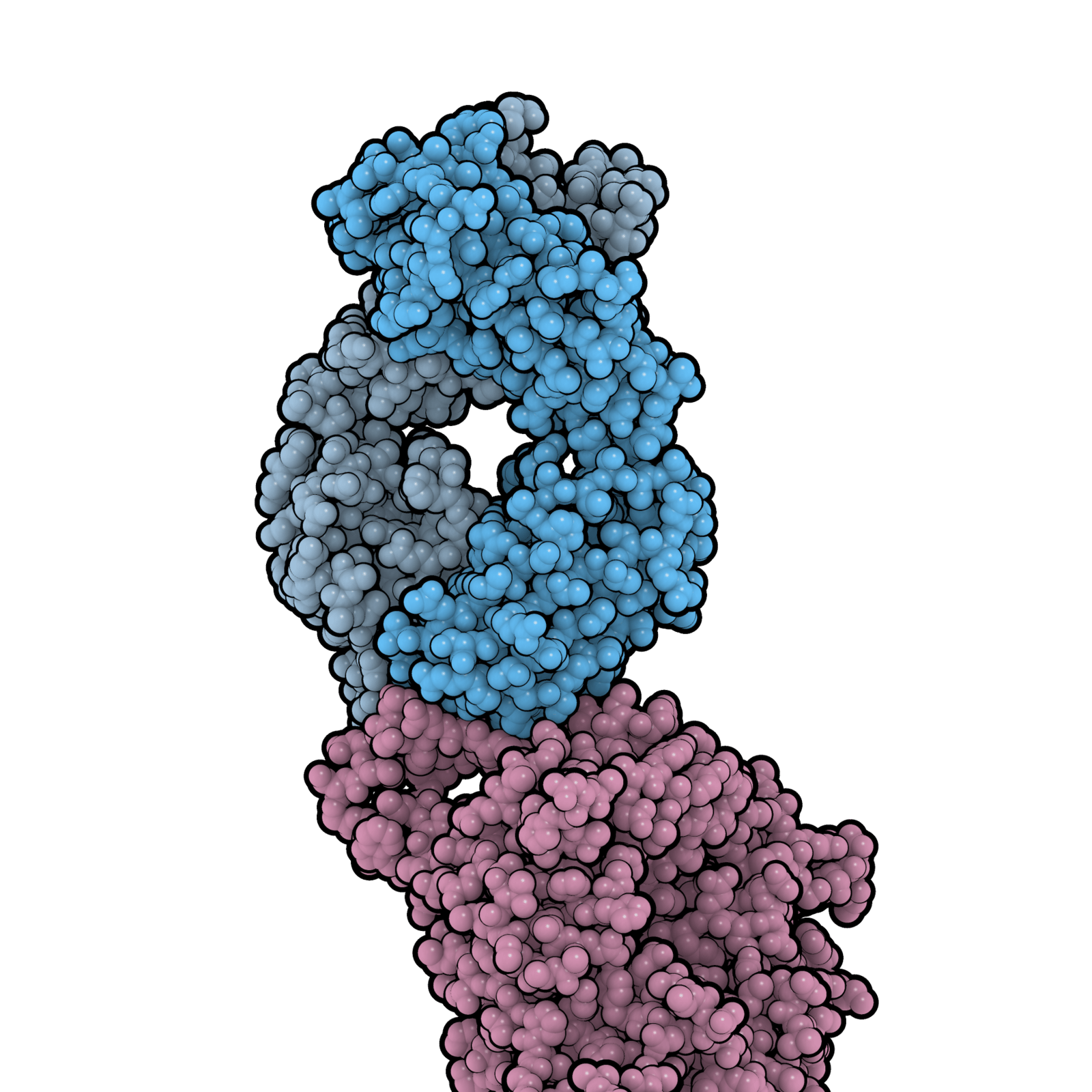
Giredestrant works differently from the drugs most women take now. Tamoxifen blocks estrogen from binding to its receptor. Aromatase inhibitors such as letrozole and anastrozole cut the body's estrogen production. Giredestrant belongs to a class called selective estrogen receptor degraders. It seeks out the estrogen receptors in breast tissue and breaks them down, which removes the hormone signal that remaining cancer cells depend on.
The degrader approach itself is not new. Fulvestrant, an injection in this class, has been used for years in advanced breast cancer, and elacestrant became the first oral version approved for certain advanced cases. Giredestrant, developed by Roche, is notable because it brings a pill of this class into the early-stage setting, where the goal is cure rather than control.
The approval rests on the lidERA trial. The hospital network reports that giredestrant improved disease-free survival, meaning patients went longer without their cancer returning. It also reduced the risk that the cancer would spread to other organs and become metastatic disease. Results broken out by menopausal status, published in the Journal of Clinical Oncology, showed benefit in both premenopausal and postmenopausal women.
That last point deserves attention. Younger, premenopausal women often face a more complicated hormone therapy plan, sometimes combining pills with drugs that shut down the ovaries. A therapy that works across both groups could make treatment decisions simpler for a population that frequently struggles with side effects during working and child-rearing years.
Madhurima Anne, chief of hematology/oncology at Hackensack Meridian Ocean University Medical Center, described the approval as "practice-changing" and said giredestrant beats standard hormone therapy on both counts that matter most to patients.
"It is better tolerated and has better efficacy as shown in the lidERA trial," Anne said.
Donna McNamara, a breast medical oncologist at Hackensack Meridian's John Theurer Cancer Center, framed the stakes around a problem oncologists have long dealt with. Current hormone therapies can cause side effects severe enough that many women stop taking them early, which raises their risk of relapse. She said giredestrant would let doctors protect patients from recurrence "without asking them to sacrifice their daily quality of life."
That argument is the strongest case for the drug, and it rests on a real gap in breast cancer care. Aromatase inhibitors are known for joint pain, hot flashes and bone thinning. Tamoxifen carries its own risks, including blood clots. A pill that only works if women keep taking it for five to 10 years has to be tolerable, not just potent. If giredestrant holds up on that front in everyday use, its practical value could exceed what any single trial endpoint suggests.
Still, the announcement leaves gaps. The hospital network does not give the size of the benefit: no hazard ratio, no absolute difference in recurrence rates and no length of follow-up. It reports no side-effect rates either, so in its account the claim of better tolerability rests on the word of the clinicians quoted rather than on figures readers can weigh. Overall survival, the measure of whether the drug helps patients live longer, is not mentioned.
Those gaps matter because disease-free survival is an earlier signal than overall survival. It is a meaningful and widely accepted endpoint in early breast cancer, but hormone-driven tumors can recur many years after diagnosis. Long-term follow-up from lidERA will show whether the early advantage lasts across the full decade some patients spend on treatment.
The practical details patients will ask about are also missing. The announcement does not say what giredestrant will cost, when pharmacies will stock it, whether the approved label limits it to particular patients or how insurers will cover it. For a drug that could be taken daily for years, price and coverage will shape access as much as the trial results do.
The fuller test will come when treatment guidelines decide where giredestrant fits. If the tolerability edge proves as large as its backers describe, the drug's biggest contribution may be keeping more women on therapy long enough for it to work.
Sources
Leah Thompson
Leah Thompson covers public health research and the methods behind widely discussed findings. Her work explains study design, population context, and the difference between an early result and a well established conclusion. She focuses on helping readers understand how evidence is gathered and why the details of a study affect its interpretation.
View all stories