RAS-targeting pill plus chemo shrank tumors in 61% of patients with spread pancreatic cancer
Patients went a median 12.8 months before their cancer grew again. The early study had no chemo-only comparison group, and a phase 3 trial is now testing the approach.
 By Amara Okafor
· 5 min read
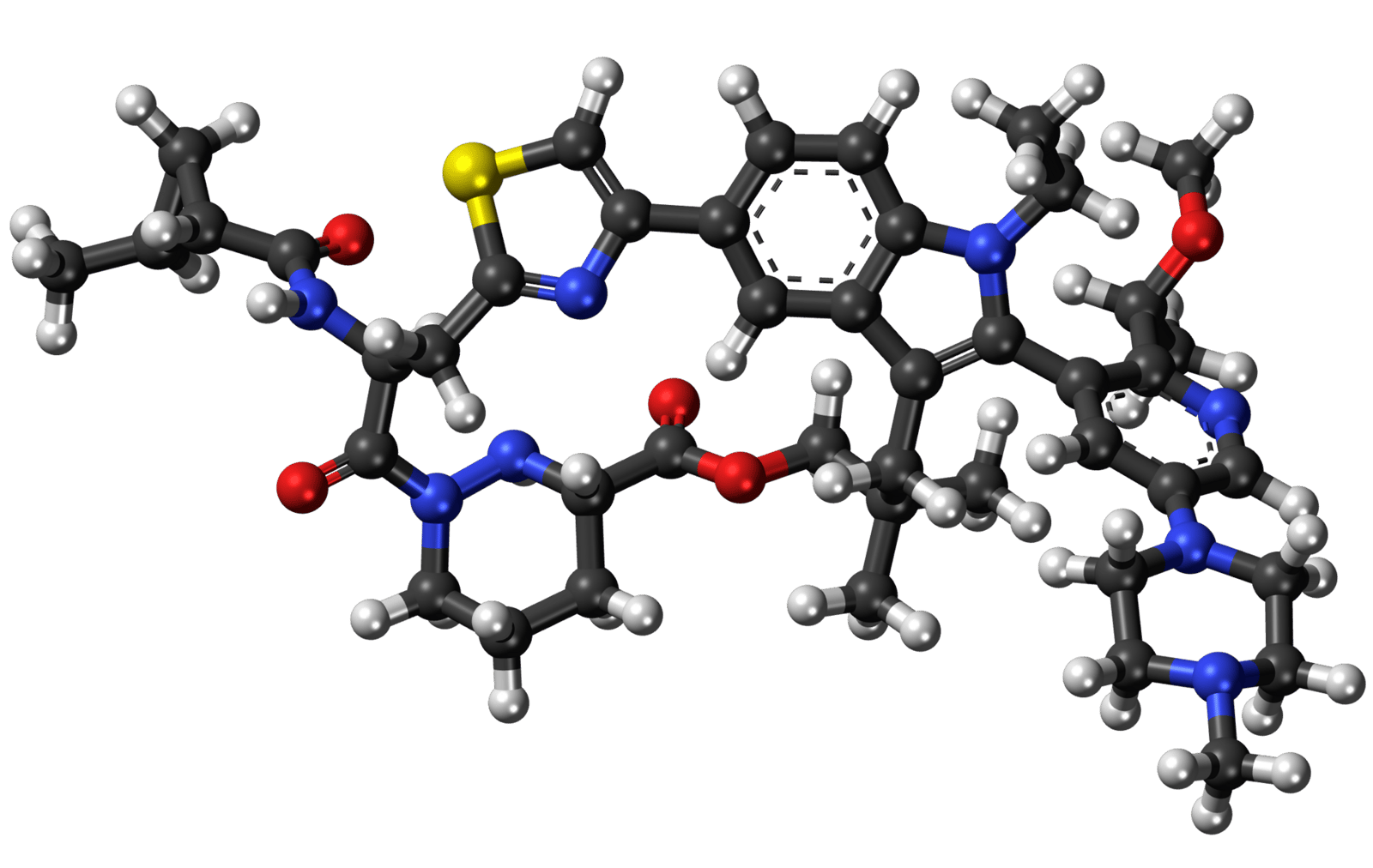
An experimental daily pill aimed at RAS, the growth signal behind more than 90% of pancreatic cancers, shrank or eliminated tumors in about 61% of patients with metastatic disease when it was added to standard chemotherapy, according to updated results from an early-stage clinical trial.
The drug, daraxonrasib, was tested in 61 people whose pancreatic cancer had spread and who had not yet been treated for metastatic disease. Taken alongside the chemotherapy drugs gemcitabine and nab-paclitaxel, it kept their cancer from growing for a median of 12.8 months. Dr. Wungki Park, a gastrointestinal oncologist at Memorial Sloan Kettering Cancer Center in New York and the study's principal investigator, presented the Phase I/II results, from a trial called RMC-GI-102, this week at the EORTC-NCI-AACR Symposium on Molecular Targets and Cancer Therapeutics in Barcelona, Spain.
That figure for progression-free survival is the number most likely to draw attention. Patients on standard chemotherapy typically see their tumors start growing again after five to six months. A median above a year is a large gap in a disease where gains are usually counted in weeks. Still, it comes from a single-arm study with no control group, and that limitation shapes how far the result can be taken.
What the trial found
As of a Sept. 28 data cutoff, patients had been followed for a median of 18.3 months, with a range of 13.1 to 23.7 months. Among the results:
- Tumors shrank or disappeared in 60.7% of patients, the measure known as the objective response rate.
- In 8.2% of patients, tumors could no longer be detected, a complete response.
- Disease stopped growing in 90.2% of patients.
- At 12 months, 76.6% of patients were alive.
Those numbers land in a field where the standard of care has changed little. With chemotherapy alone, tumors shrink in only 23% to 42% of patients with metastatic pancreatic cancer. Most patients treated that way live eight to 11 months, and just 3% are alive five years after diagnosis. More than half of patients already have cancer that has spread to other organs when they are diagnosed, Park said.
Park pointed to the length of the benefit as much as its size. The results show deeper responses and "a near doubling in the duration of disease control, which may eventually translate into longer survival," he said.
He went further on survival, calling the combination "a potentially transformative advance" and saying it already outpaces the high end of the 8.5 to 11.1 months of overall survival historically seen with conventional chemotherapy. That claim deserves a careful reading. The trial reported a 12-month survival rate, not a median overall survival, and the two measure different things. Comparisons with historical results are also shaky ground in oncology, because patients who enroll in early trials are often healthier and more closely monitored than the broader population. The signal looks real. Its exact size is not yet known.
Park himself was direct about that. The results "must be interpreted carefully because patients were not compared with patients receiving chemotherapy alone," he said.
Patients took 200 milligrams of daraxonrasib by mouth once a day. Gemcitabine, at 1,000 mg per square meter of body surface area, and nab-paclitaxel, at 125 mg per square meter, were given intravenously on days 1 and 15 of each treatment cycle.
The most common side effects were rash, diarrhea and fatigue, along with problems familiar from chemotherapy, such as cytopenia, a drop in certain blood cells. Standard medical care kept these in check, the investigators said, and 5% of patients stopped treatment because of side effects linked to daraxonrasib. That low dropout rate matters as much as the response figures. A drug added on top of an already punishing chemotherapy regimen is only useful if patients can stay on it long enough to benefit.
Why RAS has been so hard to hit
RAS works like a switch that tells cells when to grow. In pancreatic cancer, a mutation jams that switch in the on position, so it keeps sending signals that make cancer cells divide. Researchers have known about the target for decades, but until recently no drug could hit it effectively. Daraxonrasib is built to block the active form of the protein, called RAS(ON), and cut off the signals that the cancer cells depend on to survive.
That design is what sets it apart. The first RAS drugs to reach patients, approved earlier this decade for lung cancer, each target one specific mutation, G12C, which is rare in pancreatic cancer. A drug that works across the RAS variants found in this disease would cover far more patients.
Elena Garralda, chair of the symposium and co-director of the clinical research program at the Vall d'Hebron Institute of Oncology, was not involved in the study. She said this trial was one of several presented at the meeting showing that "it is now possible to target the RAS mutations driving cancer growth." She added that the results show RAS-targeted drugs can be combined with existing treatment and given as first-line therapy, so patients can start them earlier in advanced disease.
The implications could reach beyond the pancreas. RAS mutations also drive certain lung, bowel, biliary tract, appendiceal and gynecological cancers. Each would need its own clinical trials to show whether daraxonrasib plus chemotherapy helps.
The decisive test is already underway. A global phase 3 trial, RASolute-303, led by Park, is comparing daraxonrasib alone and daraxonrasib combined with gemcitabine and nab-paclitaxel against chemotherapy alone. The sources did not give a timeline for results. The design is the right one: by including a daraxonrasib-only arm, the study should show not just whether the drug adds to chemotherapy, but whether some patients could skip chemotherapy's harsher effects entirely. Until then, RMC-GI-102 is the strongest reason so far to think the long string of failures against metastatic pancreatic cancer may be breaking. It does not yet prove that patients will live longer.
Sources
Amara Okafor
Amara Okafor covers community health, access to services, and developments affecting everyday wellbeing. Her work follows research and public information about the conditions that influence health across different communities. She focuses on explaining how services are organized, whom new initiatives may reach, and what the available evidence says about their effects.
View all stories