FDA clears amivantamab, the first new head and neck cancer drug in seven years
The dual-target antibody won accelerated approval for HPV-negative tumors after a 102-patient, single-arm study posted a 42% response rate.
 By Victor Chen
· 5 min read
Key Takeaways
- The FDA granted accelerated approval on Nov. 5 for head and neck cancers not linked to HPV.
- In 102 previously treated patients, 42% responded and median survival reached 12.5 months.
- The approval rests on a single-arm study, not a trial comparing the drug with standard care.
- A follow-up study is testing amivantamab with chemotherapy and immunotherapy.
Patients with head and neck cancer unrelated to HPV have a new treatment option. The U.S. Food and Drug Administration approved amivantamab on Nov. 5, the first new drug for the disease in seven years and the first to block two tumor growth receptors at the same time.
The FDA granted accelerated approval based on early results from a multinational study led by researchers at Yale School of Medicine. Amivantamab was already approved for lung cancer. The head and neck decision gives doctors a new option for a group of patients who have had few effective choices once standard treatment stops working.
Head and neck squamous cell carcinoma ranks as the sixth most common cancer, with just under 70,000 cases a year, according to Barbara Burtness, the Anthony N. Brady professor of medicine at Yale who led the clinical work. The disease falls into two broad groups. Some tumors are driven by human papillomavirus. Others are tied to tobacco, alcohol or sometimes dental problems. The approval covers that second, HPV-negative group.
Everyone in the pivotal study had already received chemotherapy and immunotherapy, and the published results describe recurrent or metastatic disease. In practice, that makes amivantamab a later-line treatment for advanced cancer rather than a first treatment for newly diagnosed patients.
What the study found, and what it can't show
The phase Ib/II study, called OrigAMI-4, enrolled a single group of 102 patients with HPV-unrelated tumors. Burtness presented the data at a national meeting in June and was first author on the paper in the Journal of Clinical Oncology. That data set went to the FDA.
Tumors shrank in 42% of patients, and median survival was 12.5 months. Many patients were still responding when the data were submitted. Burtness compared those figures with what doctors would expect from cetuximab, the older targeted drug, in the same setting: about a 24% response rate and average survival under nine months.
That gap is large, and it explains why regulators moved quickly. It is also a comparison with past experience, not a result from this trial. No patients in OrigAMI-4 received cetuximab, so the study cannot directly show how the two drugs stack up. Patient selection may also matter. Burtness said she helped set the enrollment criteria to pick patients likely to respond, which is sensible trial design but a reason for caution when comparing these results with broader historical numbers.
Burtness was upbeat about the drug's potential in an interview published by Yale.
"It looks like the most active single agent that we have for head and neck cancer."
On safety, she described a drug that is easier to give than many cancer therapies. It is injected under the skin rather than through a long IV infusion and requires little premedication. The main side effects were rash and lower levels of albumin, a blood protein. Injection-related reactions occurred in 15% of patients and were very mild, she said. She also noted that the drug's track record in lung cancer made the safety findings more credible, because they matched what doctors had already seen in another disease.
For patients with advanced cancer, that convenience matters. A shot that avoids hours in an infusion chair changes what treatment day looks like, and an approved drug with a well-documented safety history is easier for oncologists to adopt.
Why hitting two targets matters
For decades, the only targeted approach to head and neck cancer has been blocking the epidermal growth factor receptor, or EGFR. This protein sits in the tumor cell's outer membrane and passes growth signals inward, pushing the cell to divide and resist treatment. HPV-negative tumors carry especially large amounts of it.
Cetuximab, an antibody that blocks only EGFR, was first given to a patient at Yale in 1995. Early on, it shrank tumors in about 12% of patients. Burtness called the more recent 24% figure, seen when the drug follows immunotherapy, still pretty disappointing.
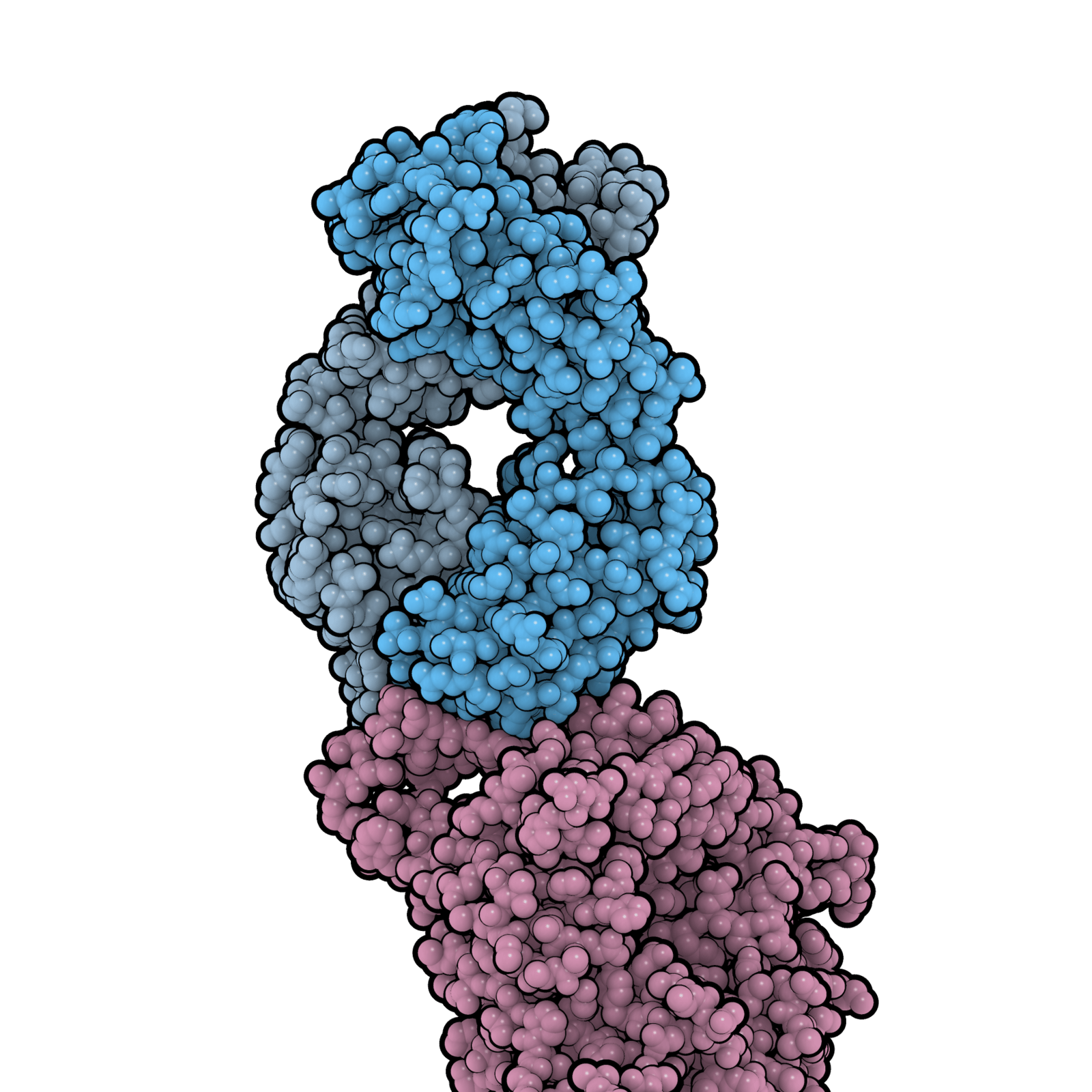
The reason is what researchers call adaptive resistance. When EGFR signaling is shut down, cancer cells compensate by turning up other pathways. One of the most important runs through a separate receptor called MET. Amivantamab is a bispecific antibody, meaning a single molecule that latches onto both EGFR and MET. The idea is to block that escape route before the tumor can use it.
Burtness said amivantamab is the first bispecific antibody and the first drug designed to overcome EGFR resistance to be approved for head and neck cancer. The approval route also stands out, she said.
"It's not that common for the FDA to approve new drugs without a comparative trial."
Burtness credited both the high response rate and the survival results for the decision. Accelerated approval exists for cases like this, where early evidence looks strong in a disease with limited options. The program generally expects further evidence to confirm the benefit. The sources don't say what follow-up the FDA has required, but that open question is the main reason to treat these results as a strong first signal rather than a final verdict.
Combinations and competing approaches come next
Burtness is principal investigator of an ongoing follow-up study that pairs amivantamab with chemotherapy and immunotherapy. Data from other groups in the original study already suggest response rates are higher with that combination, she said. If that holds up, amivantamab could move earlier in treatment, which is usually where a drug can do the most good.
It may not have the field to itself for long. Yale researchers are also testing a different two-target approach: cetuximab combined with ficlatuzumab, an antibody that blocks hepatocyte growth factor, the protein that activates MET. In a small early trial of patients whose cancer had stopped responding to cetuximab alone, 38% responded to the combination. Burtness said it isn't yet known whether that pairing will work better or worse than amivantamab.
That leads to the practical problems she expects doctors to face. If several dual-target drugs win approval, physicians will need a way to choose among them. Ideally, she said, that would mean biomarkers beyond HPV status. Another unknown is whether a second dual-target drug will help once a patient's cancer progresses on the first.
"We hypothesize yes, but we don't actually have those data yet."
For now, the approval resets expectations for HPV-negative head and neck cancer after chemotherapy and immunotherapy have failed. It does nothing for patients with HPV-driven tumors. Its long-term value will depend on whether larger, controlled studies confirm what 102 patients have shown so far.
Sources
Victor Chen
Victor Chen writes about health surveys, population data, and the numbers that shape public understanding of wellbeing. His coverage examines how results are measured, which groups are represented, and where uncertainty remains. He translates statistical findings into accessible language while keeping sample sizes, comparisons, and study limitations visible to readers.
View all stories