Dual-target CAR T therapy shrank myeloma in 12 of 15 patients in first human trial
The Mass General Brigham treatment, TriPRIL, hits two myeloma proteins and worked in some patients whose cancer escaped earlier CAR T therapy.

· 4 min read
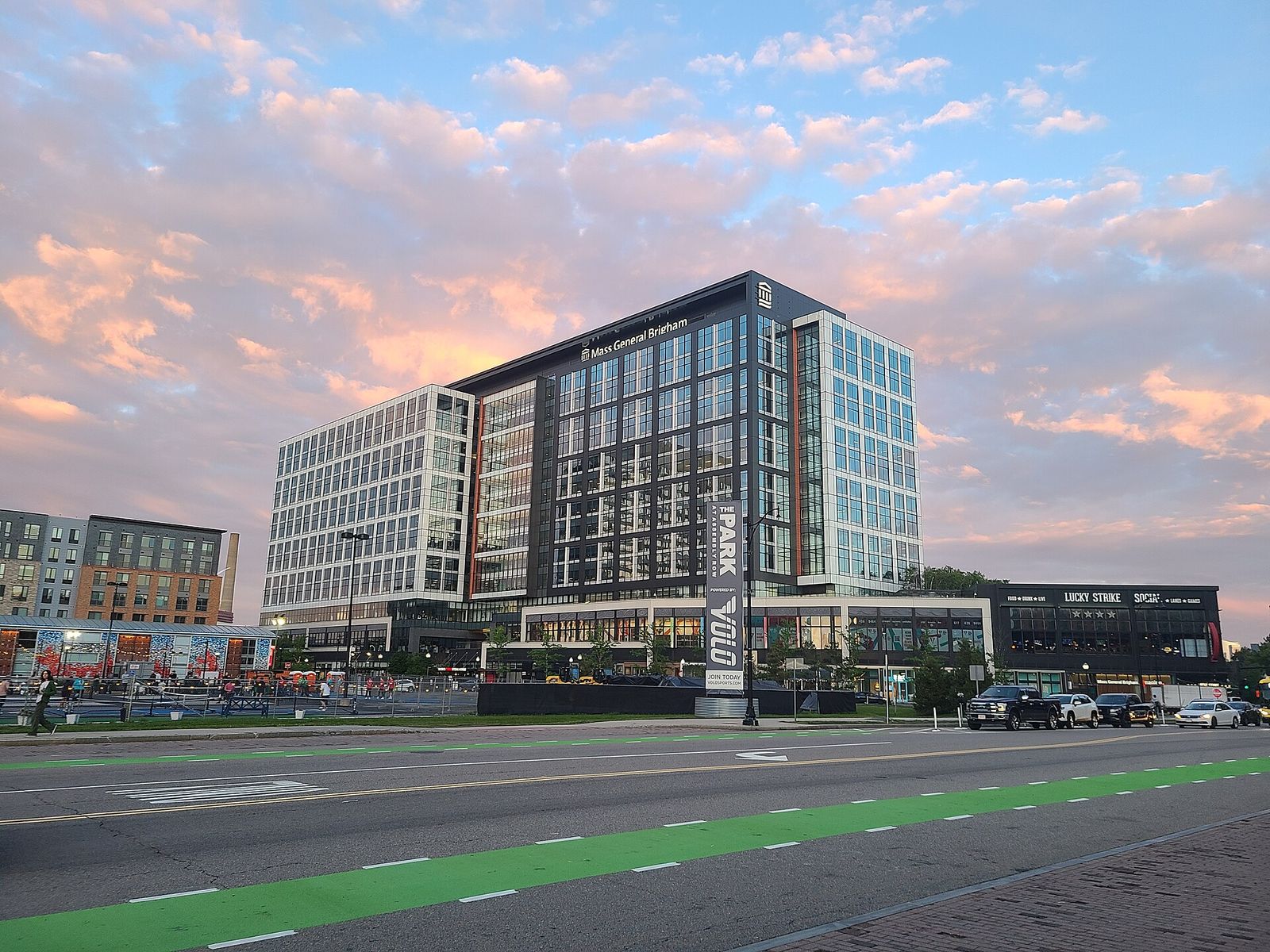
An experimental CAR T-cell therapy that targets two proteins on cancer cells instead of one cut signs of disease by at least half in 12 of 15 patients with hard-to-treat multiple myeloma. The results come from a small first-in-human trial published in The Lancet.
Eight of those patients, 53%, had no detectable active myeloma in blood, urine or bone marrow tests. Investigators at the Mass General Brigham Cancer Institute designed the treatment, called TriPRIL, and ran the Phase I study. All 15 participants had cancer that kept coming back after many earlier treatments. Nine had already received a CAR T therapy aimed at the same main target, and their disease had progressed anyway.
That last group is the reason the study deserves attention. Myeloma that returns after CAR T treatment is one of the toughest situations in the disease, and a therapy built to get around that failure would fill a real gap if it holds up in larger trials.
Multiple myeloma is a cancer of plasma cells, the immune cells that produce antibodies. In CAR T-cell therapy, doctors collect a patient's own T cells and engineer them to recognize and kill cancer cells. They then infuse the cells back into the patient.
The first CAR T products approved for myeloma, Abecma and Carvykti, both target a protein called B-cell maturation antigen, or BCMA. Both have produced deep responses in patients who had run out of options. But the benefit often fades over time.
"BCMA-targeted CAR T-cell therapy has transformed multiple myeloma treatment, but most patients eventually relapse," said Dr. Marcela V. Maus, a co-senior author and director of the cancer institute's Cellular Immunotherapy Program.
TriPRIL adds a second target, a protein called TACI. Maus said the extra target lets the cells keep finding myeloma even when the cancer stops producing BCMA. Losing BCMA is one known way tumors escape single-target therapies.
The engineering approach is unusual. Most CAR T cells recognize their target with a fragment taken from an antibody. TriPRIL instead uses a three-part version of APRIL, short for "a proliferation-inducing ligand," a natural human protein that binds to both BCMA and TACI. Because the recognition piece is human, the researchers think patients may be less likely to make antibodies against the therapy. Such antibodies can shorten how long other CAR T cells last in the body and weaken their effect.
"It was also encouraging that the patients we tested showed no immune reaction against TriPRIL," Maus said. Engineered cells were still detectable in the blood of some patients more than six months after treatment. That is early but encouraging evidence on persistence, which is a main reason the design was chosen.
The safety findings may matter as much as the response rate. No patient developed severe cytokine release syndrome or severe neurotoxicity. These are the two complications that make CAR T therapy demanding to give. Cytokine release syndrome is a surge of immune signaling that can cause high fevers and drops in blood pressure. Neurotoxicity can bring confusion and, in serious cases, seizures. Some milder cases may have occurred, since the summary rules out only severe ones.
A two-target therapy could in theory cause more of these reactions, because the cells have more ways to become activated. It is notable that this didn't happen in this group, though 15 patients is far too few to rule out rarer problems.
The trial's design limits what it can show. It was a non-randomized Phase I study, the first stage of human testing, built mainly to check safety and dosing. No comparison group received another treatment, so the results cannot show that TriPRIL beats existing options. They show that it was active and tolerable in this small, heavily pretreated group.
The published summary also does not say how many of the nine patients whose cancer had progressed after BCMA CAR T therapy responded. Maus said the treatment working in patients whose cancer returned after BCMA-targeted therapy "stood out." That suggests some of them benefited, but the exact count is the number that matters most for judging the two-target idea. Readers should treat the claim as promising rather than settled until those figures are laid out.
Follow-up was relatively short. The researchers acknowledged that larger and longer studies are needed to learn how long responses last and to catch less common side effects. Durability is the key question for this kind of therapy. Existing BCMA CAR T treatments also produced strong early response rates, and the problem has been relapse months or years later. TriPRIL's 80% response rate is impressive for a refractory population, but it will have to prove itself over time.
For patients whose myeloma relapses after CAR T therapy, bispecific antibodies, some aimed at BCMA and others at different targets, have emerged as another option, but choices remain limited. A cell therapy that works after BCMA treatment has failed would give doctors another route. Because it comes from an academic medical center rather than a drug company, its path to wider use will also depend on finding a way to manufacture it at scale.
The researchers are planning a Phase II trial with more patients and longer follow-up. The most telling result from the next study will be whether the responses in previously treated patients last well beyond the six-month mark.
Sources
Leah Thompson
Leah Thompson covers public health research and the methods behind widely discussed findings. Her work explains study design, population context, and the difference between an early result and a well established conclusion. She focuses on helping readers understand how evidence is gathered and why the details of a study affect its interpretation.
View all stories