Stock futures point to a sharp rebound after Wall Street's AI-driven correction
Dow futures signaled a gain of more than 1,000 points before Monday's open. Strategists say one good day is unlikely to end the volatility, and Nvidia's CEO succession is unresolved.
 By Nadia Rahman
· 5 min read
Key Takeaways
- S&P 500 futures rose 2.5% and Nasdaq 100 futures 3.5% before Monday's open, after both the S&P 500 and the Dow entered a correction Friday.
- Nvidia fell almost 23% last week and is down 33% for the year after the removal of CEO Jensen Huang.
- Arm CEO Rene Haas signed a contract through 2033, removing a possible Nvidia successor. Arm rose 10% premarket.
Wall Street was lining up for a strong rally Monday. Futures tied to the S&P 500 rose 2.5% in early trading, and Nasdaq 100 futures climbed 3.5%, after a selloff driven by artificial intelligence stocks pushed the major indexes into a correction last week.
Dow futures pointed to a gain of more than 1,000 points when trading opens at 9:30 a.m. ET in New York. Those were premarket moves, not results. Futures can narrow or reverse once the cash market opens, and the first hour on Monday will show whether buyers are coming back in force or just covering short positions after a punishing week.
The damage was broad. On Friday, the S&P 500 and the Dow both closed in correction territory, meaning a decline of 10% from their latest record highs. The Nasdaq 100 had already crossed that line. It had its worst week since 2020 and erased all of its gains for 2026. The S&P 500 has fallen seven straight sessions, its longest losing streak since the pandemic selloff began in February 2020, Deutsche Bank strategist Jim Reid noted. As of Friday, the index was up less than 1% for the year.
Monday's bounce also arrives in a holiday-shortened week. U.S. stock markets close Thursday for Thanksgiving, so traders will have fewer sessions than usual to set a direction before the month ends.
How Anthropic's debut set off the slide
The selling began in earnest Thursday, when AI developer Anthropic started trading publicly. Its shares jumped 17% on their first day. Soon after trading opened midday, though, tech stocks, chipmakers and the broad indexes fell sharply. By Friday's close, Anthropic was trading less than $6 above its IPO price. It was up 4% in premarket trading Monday.
A plausible reading of that pattern is that the IPO acted as a reference point for how much investors will pay for AI growth, and the rest of the sector was repriced against it. The new listing gave investors a fresh benchmark for AI valuations just as Nvidia's troubles were shaking confidence in the hardware side of the trade.
Nvidia's CEO search hangs over chip stocks
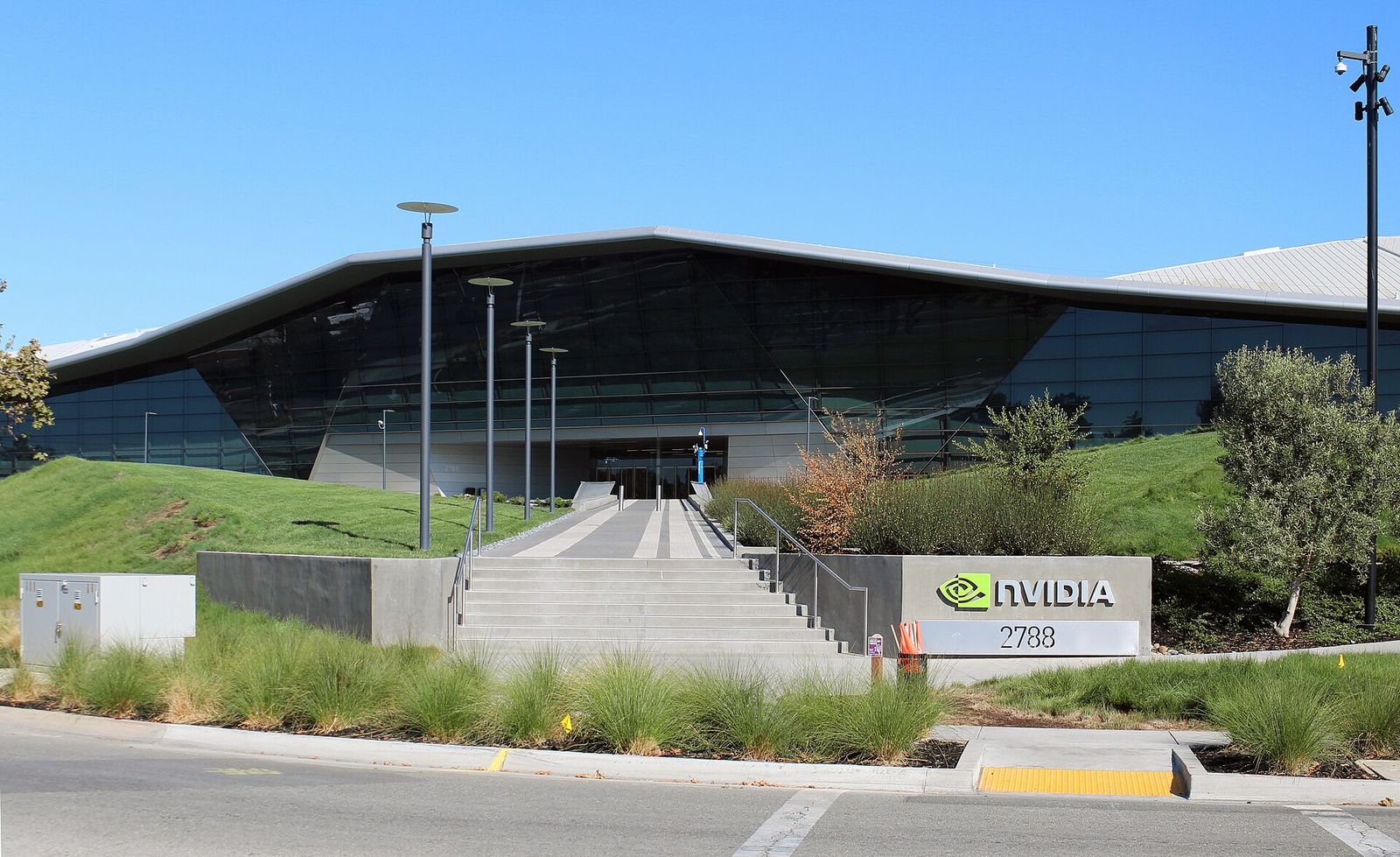
Nvidia's turmoil is the bigger unresolved problem. Jensen Huang has been removed as CEO of the company whose chips power much of the AI boom. NBC News reported that he left after admitting he had been unfaithful to his wife, and that one of the women he allegedly had a relationship with was a suspected Chinese asset. Multiple reports say the revelations have prompted a Securities and Exchange Commission investigation of the company. Nvidia did not respond to NBC News' requests for comment, and the SEC declined to comment Friday on the reports.
Nvidia shares sank almost 23% last week and are down 33% for the year. Other chipmakers fell with it. Ed Yardeni, founder of Yardeni Research, pointed to policy risk as the reason: "The fear is that tighter export controls will lower the demand for chips and depress their prices."
Chipmakers looked ready to bounce sharply Monday too. An exchange-traded fund tracking the Philadelphia Semiconductor index rose 6% in early trading, and an ETF of memory and storage makers gained 9%. Those are big moves, but they come after a steep fall. Recovering one bad week does not answer who will run Nvidia or how far a federal inquiry might go.
One possible answer to the succession question dropped out Monday. Arm Holdings said CEO Rene Haas has signed a new contract running through 2033, which takes him out of the running for the Nvidia job. Arm shares rose 10% in premarket trading. The gain suggests investors were pleased to keep Haas at Arm. It also leaves Nvidia's board with one fewer high-profile outside option, and a long search would keep a major source of uncertainty attached to the company.
Overseas markets were split. Germany's benchmark index and the pan-European Stoxx 600 both rose 1%, and stocks in France and Britain gained about 0.8%. Most Asian indexes closed lower as they caught up with Friday's U.S. losses, though the rise in U.S. futures pulled them off their lows. Treasury yields, which fell late last week as investors sought safety in government bonds, moved higher early Monday. That is consistent with money leaving safe havens, at least for now.
Strategists are not calling the bottom. "Last week was brutal," Yardeni said. He said he had expected a pullback but got a bigger one than he anticipated. He does not expect the slide to become a bear market, a 20% fall from a record high, "simply because we don't see an impending recession." Even so, Yardeni, one of the more optimistic forecasters on Wall Street this year, cut his year-end S&P 500 target for the second time since September. He now expects the index to finish 2026 at 7,500, which would be more than 8.5% above current levels.
Reid cautioned that even a correction that stops short of a bear market can take a while to work through. "Similar volatility shocks have typically taken 6-8 weeks to subside," he wrote. He added that history suggests further losses and volatility are plausible before the market finds a durable bottom. By that timeline, Monday's rally would come only about a week into a typical recovery. The more useful signals in the days ahead are Nvidia's choice of a new leader and any official word on the reported SEC inquiry.
Sources
Nadia Rahman
Nadia Rahman covers employment, wages, and the household costs that shape everyday financial life. Her work follows labor market reports, earnings trends, and changes in spending on essentials. She explains what the numbers measure and how different households may experience them, connecting economic announcements with the pressures and changes visible in family budgets.
View all stories