Delta weight-and-balance glitch slows Atlanta flights as Thanksgiving travel begins
The FAA briefly stopped Delta flights bound for the airline's home hub Sunday, then switched to staggered departures with delays projected at nearly an hour on average.

· 4 min read
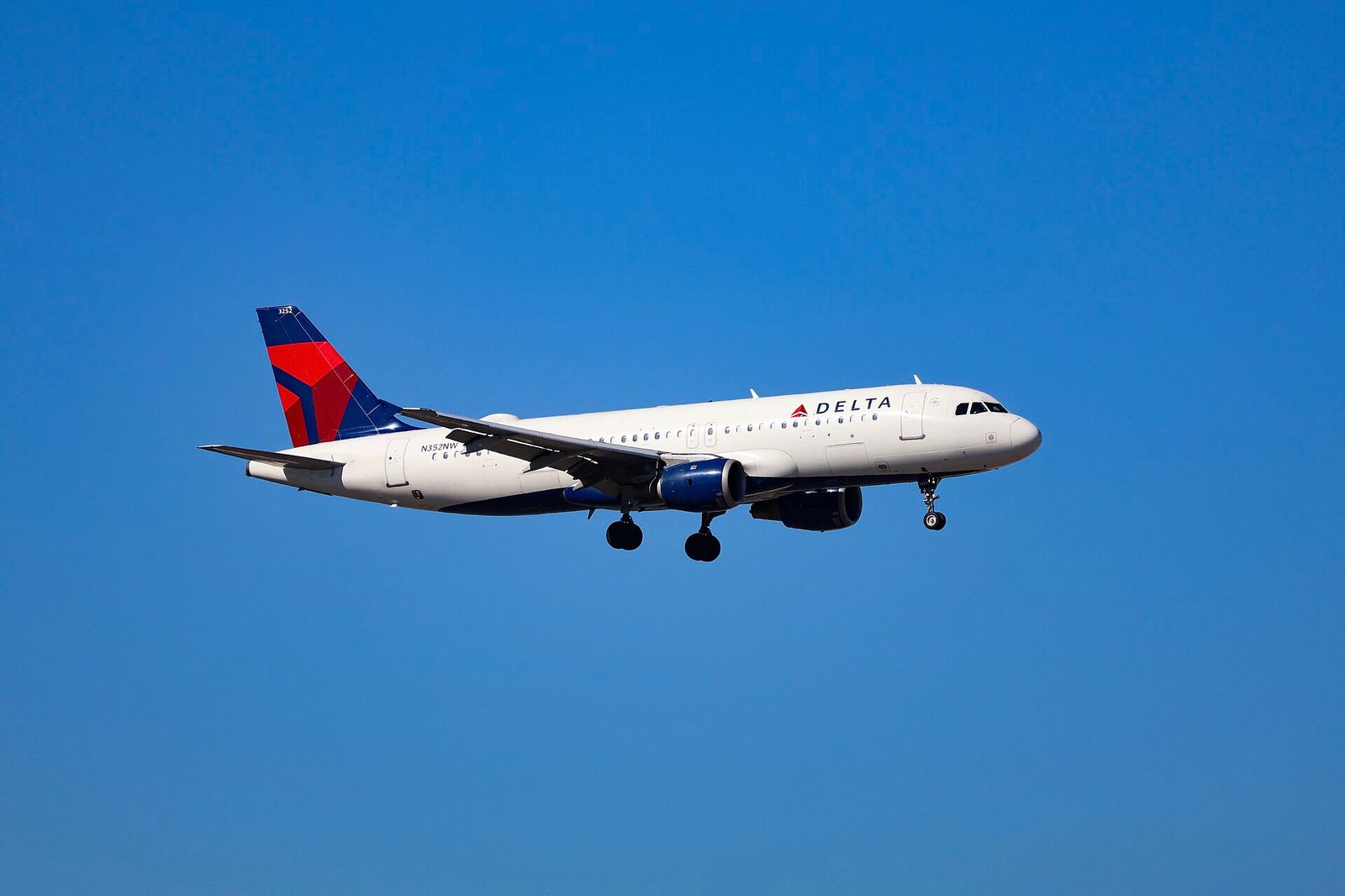
A failure in the software Delta Air Lines uses to work out how much its planes weigh held up flights into Atlanta on Sunday, as the Thanksgiving travel rush got underway.
The Federal Aviation Administration briefly stopped Atlanta-bound flights Sunday morning. It then swapped the ground stop for a program that released departures at staggered intervals. Delta asked for the program, which covered the airline and its regional partners flying into Hartsfield-Jackson Atlanta International Airport from anywhere in the contiguous United States.
The FAA projected average delays of 57 minutes, with some flights held as long as 1 hour and 51 minutes. The program was scheduled to run through 12:50 p.m. ET.
Why a weight calculation can stop flights
The system at fault is less visible than a radar feed or a booking engine, but planes cannot leave without it. Before every departure, the airline has to calculate the aircraft's total weight, including passengers, bags, cargo and fuel, and how that load is spread from nose to tail. Pilots rely on those figures to set takeoff speeds and engine thrust, and to confirm the plane's center of gravity sits within safe limits. When the automated tool goes down, the numbers can be produced by hand, but far more slowly than across a schedule the size of Delta's.
Delta said it was working to restore the automated system. It also said it was coordinating with air traffic controllers so that planes would not stack up at gates or on the tarmac in Atlanta, the city where the airline is headquartered and runs its biggest operation.
Asking for a metered flow instead of a longer full stop looks like the right call. A hard halt into Delta's home hub would have stranded aircraft and crews across the country and set off a chain of missed connections. Spacing out arrivals accepts some delay now in exchange for an airport that doesn't jam up later in the day. The approach still has a cost: Atlanta connects much of Delta's network, so a late arrival there can make passengers miss onward flights well beyond Georgia.
Hartsfield-Jackson said the disruption was confined to Delta and was not affecting airport operations generally. The airport advised travelers to check their flight status with their airline. It also recommended arriving at least two hours before domestic flights and three hours before international departures.
A third tech failure in less than two weeks
Sunday's problem is the latest in a series of technology breakdowns this month. On Nov. 13, the FAA ordered a nationwide ground stop after a technical issue in its air traffic control network. Flights restarted that evening, but disruptions continued through that weekend.
Three days later, on Nov. 16, a separate outage delayed United Airlines departures. According to the union representing United's pilots, that failure disrupted crew communications and kept the airline from sending pilots final aircraft weight data. United said it fixed the problem the same day.
The overlap is hard to miss. Both the Delta and United problems involved the weight figures pilots need before takeoff: Delta's in calculating them, United's in getting them to the cockpit. That work gets little attention when it runs smoothly, and it can stop departures across a carrier when it fails. There is no reported evidence that the Delta and United problems are connected. The pattern still suggests airlines should put as much into backups for these back-office tools as they do for systems passengers actually see.
Delta has been through worse. In July 2024, a faulty CrowdStrike security update crashed Windows machines worldwide, and Delta took days longer than its rivals to recover, with mass cancellations and a lasting fight over who was to blame. Compared with that, a delay program lasting a few hours and measured in minutes is minor. The timing is what makes it costly. The Sunday before Thanksgiving is one of the heaviest travel days, with full planes and few empty seats for rebooking.
For travelers flying Delta through Atlanta, the delays reported Sunday were measured in under two hours, not days. The open question is whether the airline can restore the automated system and clear the backlog before the holiday rush peaks later in the week.
Sources
Benjamin Hayes
Benjamin Hayes writes about banking, consumer finance, and the services people use to manage money. His coverage follows account fees, payment systems, borrowing costs, and changes to financial products. He focuses on explaining published terms and industry announcements, giving readers context on how banking developments may affect everyday transactions and access to financial services.
View all stories