College Football Playoff grows to 24 teams in ESPN deal, ending Power 4 title games
ESPN keeps every playoff game through 2031-32. The new bracket starts in December 2027 with campus games, eight byes and no conference championship weekend.
 By Marcus Reed
· 6 min read
Key Takeaways
- The 24-team field has 19 at-large spots, four Power 4 champions and the top Group of 6 team, with no guaranteed place for Notre Dame
- Power 4 conference championship games go away, and Army-Navy moves to a standalone Dec. 4 window
- ESPN's added cost averages about $345 million a year, according to sources cited by ESPN, but about $140 million of that comes back from canceled title games
- The first expanded playoff starts the second weekend of December 2027 and ends Jan. 24, 2028, in New Orleans
The College Football Playoff will double to 24 teams beginning with the 2027 season, and ESPN will carry all of it. Under a new agreement announced Monday, the Disney-owned network becomes the exclusive worldwide rightsholder for the bigger bracket. The deal also removes something college football has staged for decades: the Power 4 conference championship games.
Citing sources, ESPN reported that the five-year contract is worth nearly $1.7 billion. It covers the 2027-28 season through 2031-32 and sits on top of the six-year agreement the two sides announced in 2024. That earlier deal, valued at $7.8 billion, took effect with the 2026-27 season and already ran through 2031-32. The new terms raise ESPN's inventory from the 11 games of the current 12-team format to 23: eight first-round games, eight second-round games, four quarterfinals, two semifinals and the national championship.
The 12-team field debuted only two seasons ago, after the original four-team format. Tripling the bracket and then doubling it again within a few years is a striking pace for a sport that resisted any playoff for most of its history. It also makes the economics plain: TV partners want more of college football's highest-stakes games, and the sport is willing to supply them.
How the 24-team bracket works
The field will include 19 at-large teams, the four Power 4 conference champions and the highest-ranked team from the Group of 6. Notre Dame gets no guaranteed spot and will need to earn an at-large bid if its ranking isn't high enough. The Power 4 leagues are expected to decide their champions by regular-season standings and their existing tiebreakers, according to ESPN's sources, rather than by a title game.
Seeding carries real weight. The top eight seeds get first-round byes and then a home game in the second round. Seeds Nos. 9 through 16 host first-round games. Both of the first two rounds are played on the higher seed's campus. The No. 1 seed faces the winner of No. 16 vs. No. 17, and the No. 2 seed meets the winner of No. 15 vs. No. 18.
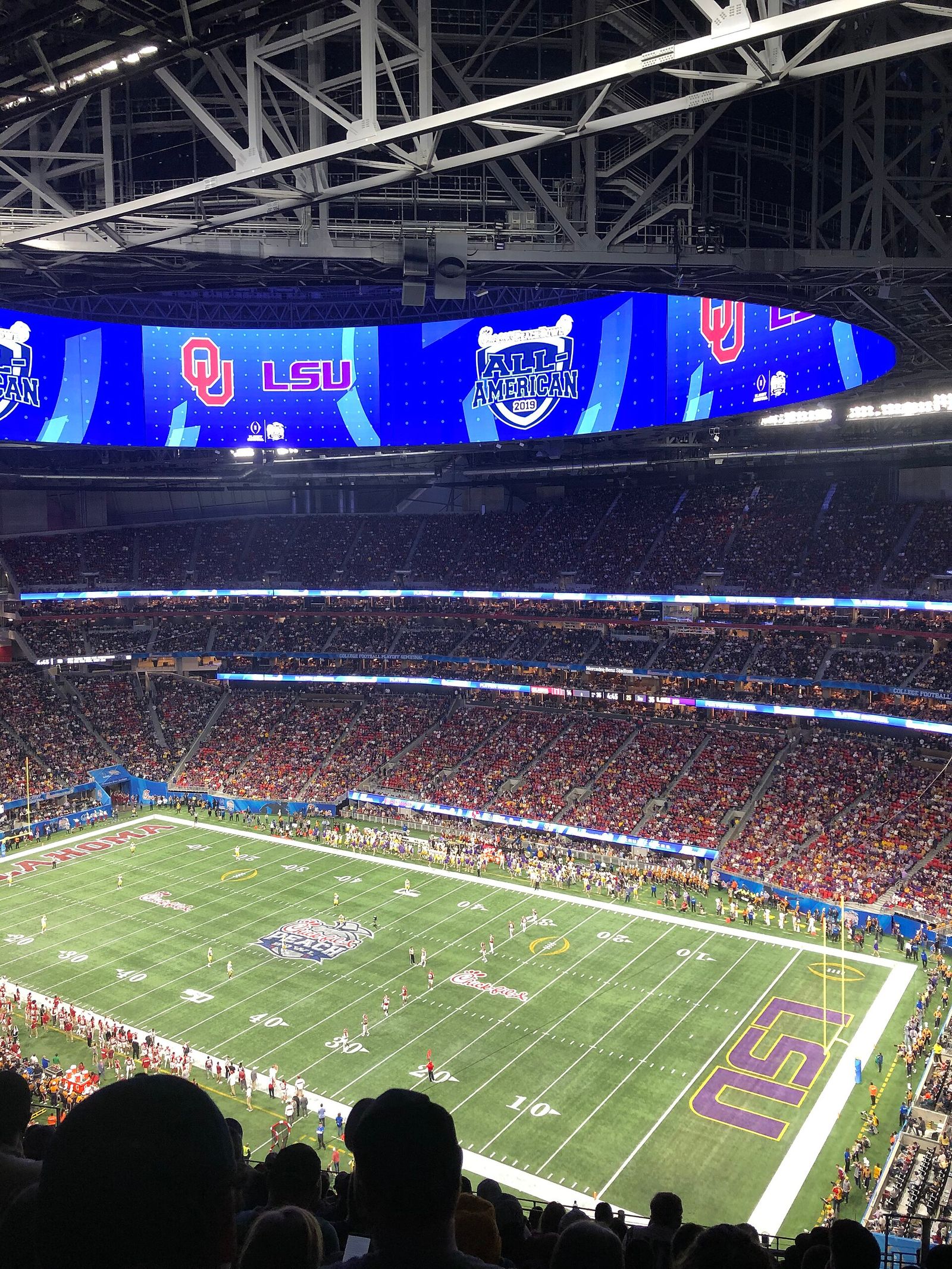
From the quarterfinals on, the familiar setting returns. The New Year's Six bowls (Rose, Fiesta, Sugar, Peach, Orange and Cotton) will continue to host the quarterfinals and semifinals. The selection committee will keep issuing a top 25 and could expand its weekly list to 30 teams so fans can see who is on the bubble.
The calendar changes, too. The regular season will open on "Week Zero," the week before Labor Day, and wrap up on Thanksgiving weekend. The first 24-team playoff begins the second weekend of December 2027, and the national championship stays on its previously announced date of Jan. 24, 2028, in New Orleans. The old conference championship weekend becomes a break for playoff teams, and the Army-Navy game will take that slot with a standalone window on Dec. 4. ESPN's sources said the Heisman Trophy ceremony is expected later that evening. The current Army-Navy policy carries over: if either academy makes the field and then loses the rivalry game, its playoff standing is unaffected.
That schedule raises a workload question the announcements don't take up. A team seeded ninth through 16th would need five straight playoff wins to take the title, after a regular season that now starts in late August. Even a top-eight seed would have to win four games. That is a lot of football to ask of college players in a postseason that stretches deep into January.
The money behind the expansion
The financial structure explains a lot about why this got done. According to ESPN's Pete Thamel, ESPN's added payment for the expanded playoff averages $345 million a year over the five years, on top of the roughly $1.3 billion a year it already pays on average. But ESPN gets about $140 million of that back each year because the SEC, Big 12 and ACC championship games, whose broadcast rights it holds, are canceled. That leaves a real added cost of about $205 million annually.
Fox, which televises the Big Ten championship game, is expected to recoup about $50 million a year for that game's cancellation, according to Thamel's sources. For ESPN, swapping three conference title games for 12 additional playoff games at a net cost of around $205 million looks like an efficient trade. Each of the new games is a win-or-go-home matchup with a national audience, while conference championships often featured one team whose playoff fate was already settled.
ESPN won't have to carry every game alone. It can sublicense six of the 12 new games to approved partners for exclusive distribution. That right comes on top of its existing sublicense with TNT Sports, announced in May 2024. Starting in 2027-28, ABC will air at least three games from each of the first and second rounds. The deal also lets ESPN simulcast or "megacast" playoff games across Walt Disney Company networks and keeps its exclusive hold on playoff-related ancillary programming. Disney's ad sales team stays the exclusive seller of the CFP's sponsor program, now with more games to sell.
The timeline shows how quickly it came together. ESPN and the CFP opened a 30-day negotiation window on Sept. 9 to determine what a 24-team field was worth. The window closed on Oct. 9, and the agreement was announced a month later.
A bet on the regular season
The Big Ten pushed hardest for the 24-team model. Its commissioner, Tony Petitti, has rejected the argument that it waters down the regular season. He points to what he calls "tiered incentives": the top two seeds get what he described as "the best path all the way through." Teams on the edge of the top 16 are pushing for a home playoff game, while those near the cutoff are fighting just to get in.
That argument has real merit. A first-round home game in December is a meaningful prize, and the gap between a bye and a road trip is larger than anything the 12-team format offered. The weakness is at the top. With 24 spots, a contender that loses a couple of games in October will rarely be at risk of missing the field. Some of the September and October games that used to function as playoff eliminators will now mostly affect seeding. Fans of elite programs may feel that change most.
The disappearance of conference title games is the bigger cultural shift. Those games have been fixtures of early December, and settling league champions through standings and tiebreakers puts heavy weight on formulas that fans usually notice only when they produce a controversy. Expect more arguments over tiebreakers than conferences are used to.
CFP Board of Managers chair Mark Keenum called the move "great for college football," citing more programs, more athletes and more fan bases getting a chance to compete. CFP executive director Rich Clark praised ESPN's promotion, storytelling and innovation, calling the network a partner since the playoff's inception. ESPN chairman Jimmy Pitaro said the deal reinforces ESPN as "the home of college football and the destination for college sports for years to come."
The deal backs that up. ESPN already holds long-term agreements with the NCAA, SEC, ACC, Big 12, American, Sun Belt, MAC and Conference USA, along with the Heisman ceremony. Now it controls a postseason twice as big, through the 2031-32 season. The first test comes in December 2027, when the bracket's opening games are played on campus sites in the cold. Whether the new format's early rounds feel essential or excessive will depend on how close those games turn out to be.
Sources
Marcus Reed
Marcus Reed follows professional sports leagues, focusing on schedules, standings, and the developments that influence a season. His coverage connects team news with playoff races, competition formats, and changes around the leagues. He is interested in the practical details that help fans understand what happens next and why it matters.
View all stories