Wellness resorts are building weeklong programs for guests on GLP-1 drugs
One woman paid $3,900 for a week of strength training, protein lessons and cooking demos at a Hilton Head resort, with an eye on eventually stopping the medication.
 By Priya Desai
· 4 min read
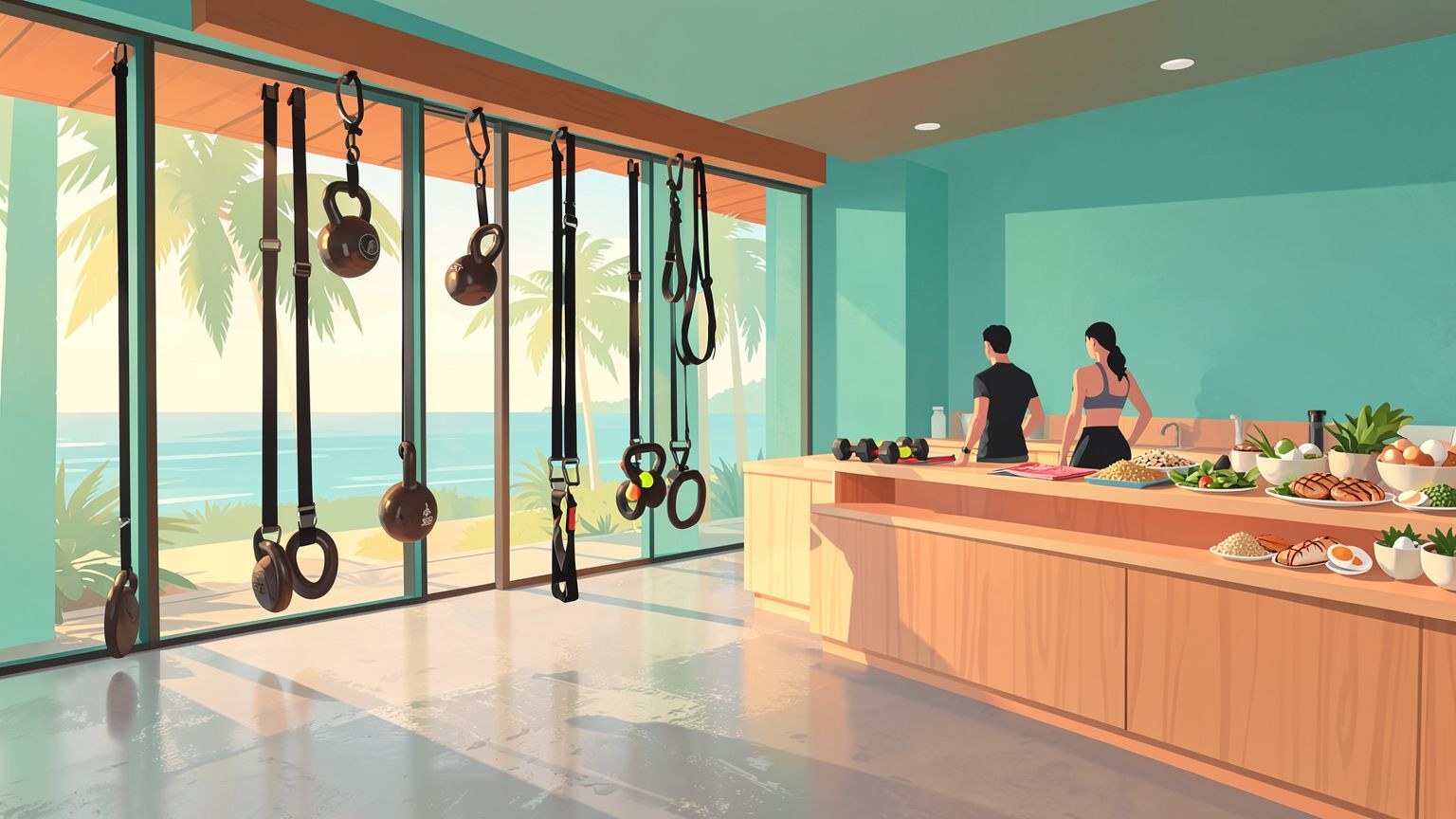
Health and wellness resorts that long sold weight loss through diet and exercise are now designing programs for people already taking GLP-1 drugs such as Ozempic, Wegovy, Mounjaro and Zepbound. The new packages include cooking lessons, coached strength training and counseling about the medications themselves.
Teresa Barr paid $3,900 for one of them, spending a week in November at the "GLP-1 Support Experience" at Hilton Head Health on South Carolina's Hilton Head Island. The 63-year-old from Rochelle, Texas, described the week to TODAY.com as long days of workouts, chef-led cooking demonstrations and nutrition lectures. She said it reminded her of college and that she would return.
Hilton Head Health is part of a wider shift. Hotels are offering GLP-1 vacations and are adjusting their menus for guests whose eating habits have changed on the drugs. The commercial logic is easy to follow. A resort can no longer sell a week of dramatic weight loss when a weekly prescription handles much of the appetite side. What it can sell is what the medication doesn't supply: muscle, kitchen skills and a plan for life after the drug.
Barr's story matches the customer these programs appear to target. She said she kept a steady weight through her marriage and two pregnancies, then gained weight during perimenopause and menopause despite staying active. "It was like slamming into a brick wall," she said. Her weight rose from 113 to 165 pounds on a 5-foot-3 frame.
She has taken tirzepatide for 18 months and has lost 25 pounds. Tirzepatide is the active ingredient in Eli Lilly's Mounjaro and Zepbound. Barr said she needs to lose about 8 more pounds to bring her BMI into the normal range. After that, she hopes to taper off the drug and keep the weight off. She found the Hilton Head program through social media and saw it as a way to get tools for that transition.
The week was demanding. Barr said her days ran from 7:30 a.m. until about 6:30 or 7 p.m., and most of that time went to the GLP-1 program. She had workouts with a fitness instructor in a weight room stocked with machines, dumbbells and kettlebells, plus a class on TRX suspension straps, which she had never used. The resort's chef taught cooking demos aimed at healthier meals that still taste good.
Barr's main lesson was about protein. She said she lost muscle during her first several months on the drug, and the program showed guests what high-protein breakfasts and lunches look like. Her summary: "your protein needs are probably greater than you think they are."
That is the strongest argument for this kind of program. Losing lean muscle along with fat is a widely discussed concern with rapid weight loss on these medications. Prescriptions don't come with a trainer or a meal plan. Barr said the gym in her small hometown has no one to show members how to train properly. She came home with a workout program, a plan for more repetitions and heavier weights, and recipes she intends to use with her family.
Whether that is worth $3,900 depends on what lasts after checkout. Barr's account is one guest's story in a condensed, edited interview. It offers no evidence about how participants fare once they stop the medication. For someone who has never had coaching, a structured week could be a real reset. For someone who already knows how to lift and plan meals, the same money buys a lot of local training sessions.
Barr went in hoping to prepare for coming off the drug, but her own plans show how flexible that goal is in practice. "I'm not going to beat myself up when I titrate down and go off the GLP-1," she said. If her weight begins to climb again, she said she won't hesitate to resume a GLP-1 drug, and she expects the medications to keep improving.
That is a sensible position, and it also explains why resorts are interested. These programs don't compete with the drugs. They earn money whether a guest stays on the medication, stops it or cycles between the two. The skills on offer, such as strength training, protein planning and home cooking, help in every one of those cases.
The most revealing detail in Barr's account is about the other guests. She said many of the women she met had attended before. Some come every year, some several times a year, and all of them plan to return next year. Barr said she would go back "1,000%" and would like to bring her grown, married daughters.
For the resorts, that is the business model: a recurring stay for a growing group of medicated customers, not a one-time weight-loss week. For guests like Barr, a program they see as preparation for life off the drug also seems designed to bring them back.
Sources
Priya Desai
Priya Desai covers everyday design, household objects, and the spaces where daily routines take place. Her work explores how materials, form, and function influence the things people use. She follows new products and design ideas with an emphasis on clear explanations, practical considerations, and the connection between thoughtful design and ordinary life.
View all stories