WhatsApp adds scheduled messages, letting users queue texts up to two weeks ahead
The long-requested feature works in group chats and sends even if your phone is off, but the global rollout will take weeks to reach everyone.
 By Aisha Morgan
· 4 min read
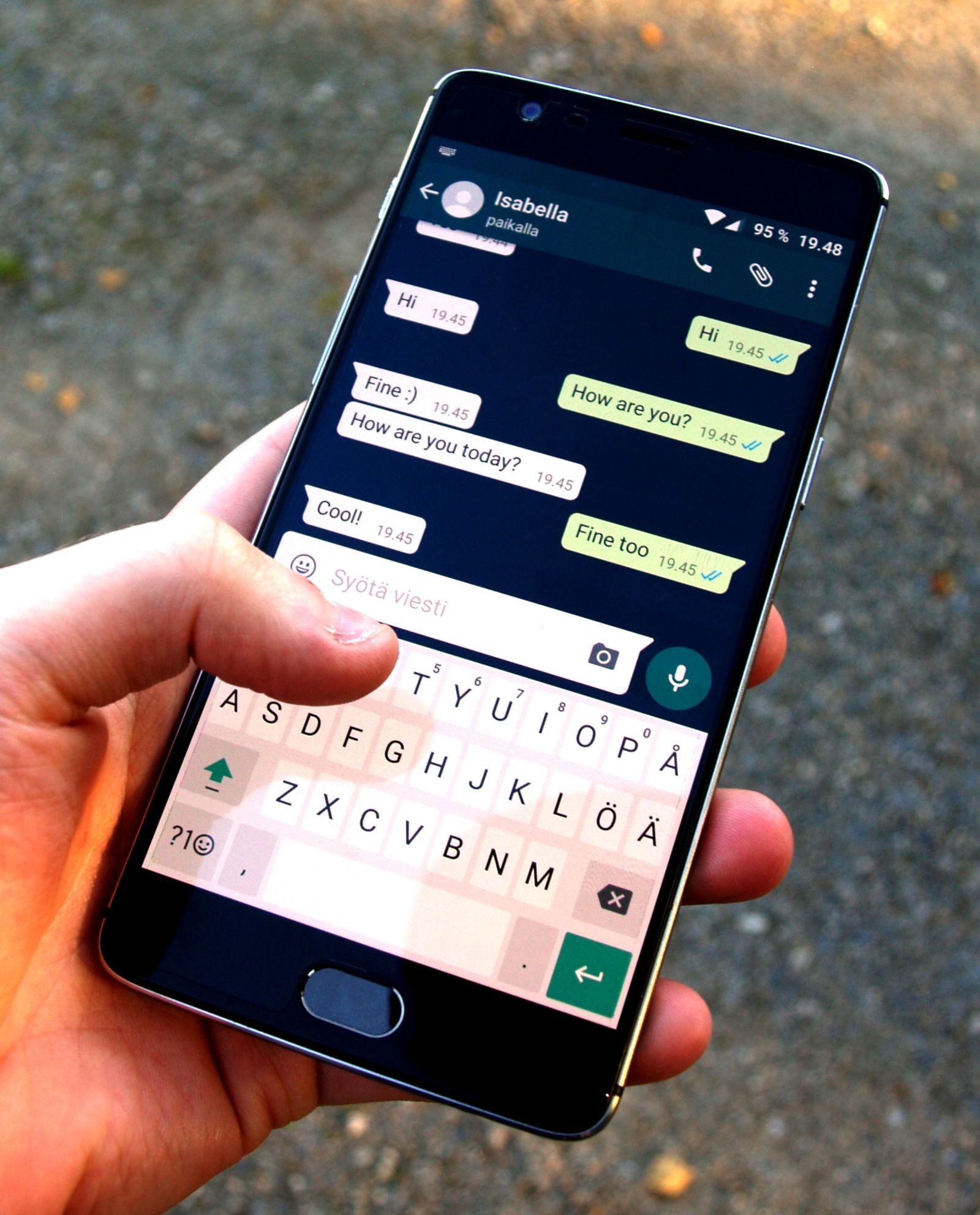
WhatsApp now lets users write a message and set it to go out later, anywhere from 10 minutes to 14 days after it's composed. The company calls scheduled messages one of its most requested features.
The announcement came Wednesday, the day before Thanksgiving, alongside a new app update. WhatsApp said the feature is "rolling out globally over the coming weeks," so many of its roughly 3 billion users won't see it right away. Getting the latest version of the app is the first step. After that, it's a matter of waiting for the feature to switch on for your account.
The control is built into the send button. Type a message as usual, press and hold send instead of tapping it, and choose the date and time you want it delivered. Scheduling works in one-on-one conversations and in group chats. It handles text, photos and videos.
Pending messages appear in a single list, and any of them can be deleted before it goes out. When a scheduled message arrives, nothing marks it as scheduled. To the recipient, it looks like any other message.
Two details stand out. Scheduled messages still deliver if the sender's phone is switched off or the battery has died. They also keep WhatsApp's end-to-end encryption. In its announcement, the company said that means "no one else can read it, not even us." WhatsApp's description doesn't explain how it delivers an encrypted message from a phone that's offline. Readers who care about the mechanics will want more detail than the company has given.
The offline delivery is the most useful part of the design. A scheduling tool that depends on the phone being awake and connected fails exactly when it's most needed: on a long flight, in an area with no signal, or when the phone dies overnight. Because the message goes out regardless, it can be set before a trip and trusted to arrive.
WhatsApp is catching up here. Google Messages, Signal and Telegram already let users schedule messages. Apple's iMessage has a Send Later option, which arrived with iOS 18 in 2024. A feature that's been standard elsewhere for years is only now reaching the most widely used messaging app in much of the world.
The delay is hard to excuse. Scheduling is a small feature, but people ask for it constantly. Many WhatsApp users rely on the app for work, family group chats and international calls, often across time zones. Those users have long had to set reminders on their phones or use separate apps to do something competitors built in.
The version WhatsApp shipped is careful, if not generous. A two-week limit covers birthdays, deadlines and holiday greetings. It won't help anyone who wants to set an anniversary note a month ahead or line up a series of reminders over a season. That's a real restriction for people who plan far ahead.
Voice notes also appear to be missing. 9to5Google noted that the feature works with text, photos and videos but apparently not voice messages. WhatsApp's own description lists only those three formats. Voice notes are a big part of how many people use the app, so this is a noticeable gap. It's one worth watching in future updates.
The most obvious use is timing. Someone who thinks of a message at midnight can schedule it for the morning instead of sending it right away and waking the recipient. That's especially relevant for families and colleagues spread across time zones. Birthday messages that might otherwise be forgotten can be set days in advance. A message drafted before a flight can still arrive on time.
The invisible scheduling cuts both ways. Recipients won't know whether a 4 a.m. message was typed at that hour or queued days earlier. That spares senders an awkward label. It also means a message can suggest someone was awake and thinking of you when they weren't. Most people won't care, but it changes a little of what a timestamp tells you.
The timing of the launch suits the holidays, when greetings to big group chats and far-flung relatives can pile up. The staggered rollout undercuts that. WhatsApp says the feature will appear over the coming weeks, so some users will be sending Thanksgiving messages the old way. Whether everyone has it by the December holidays depends on how fast WhatsApp completes the rollout. The company hasn't given a firmer timeline.
For now, the practical advice is simple: update the app and look for the hold-to-schedule option on the send button. If it isn't there yet, the feature should arrive in a later wave of the rollout, according to WhatsApp.
Sources
- MacRumors — Apple News: WhatsApp Finally Adds Scheduled Messages
- The Verge — Tech: WhatsApp’s new scheduled messages let you choose the right time to send
- Android Authority — Android News: WhatsApp catches up to Google Messages with scheduling for texts, photos, and videos
- 9to5Mac — Apple News: WhatsApp launches highly requested new feature for sending messages later
- 9to5Google — Google News: WhatsApp officially adds scheduled messages, and the rollout is scheduled too
Aisha Morgan
Aisha Morgan covers software, digital services, and the product updates that change everyday technology use. Her work follows new features, platform decisions, and the details within release announcements. She explains what has changed, who may be affected, and how individual updates fit into broader shifts in the software landscape.
View all stories