1Password says hacker took customer names and emails, but vaults stayed locked
An attacker who hijacked an employee's GitHub account also copied private source code and reached the company's software build system.
 By Samir Shah
· 5 min read
Key Takeaways
- The attacker took names, emails, account identifiers, public keys and some invitation and recovery tokens.
- Private source code was copied, and the company's CI/CD build system, which holds infrastructure secrets, was accessed.
- 1Password hasn't said how many users were affected. It says nobody needs to change passwords but should watch for phishing.
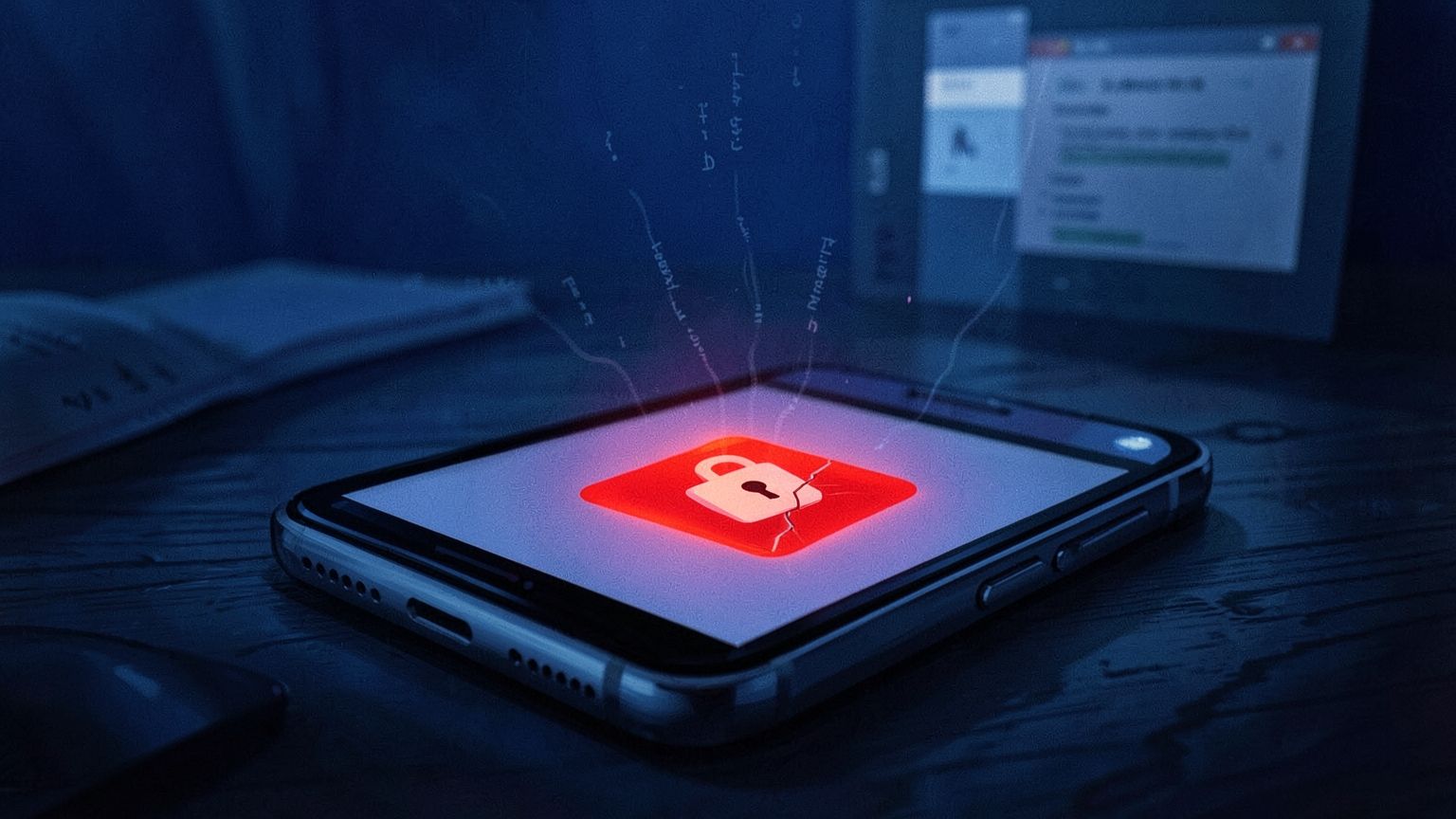
An attacker broke into an employee's corporate GitHub account at 1Password and used it to steal customer names, email addresses and account recovery tokens. The password manager says the encrypted vaults holding users' passwords were never touched.
The company disclosed the breach in a blog post on Nov. 25. It said it began investigating on Nov. 19 after finding signs that the GitHub account had been compromised. From there, the intruder got into 1Password's source code and slipped malicious code into backend services. That code then copied customer account data out of the company's systems.
1Password hasn't said how many people were affected. Its post says only that the attacker "copied a limited amount of customer account information from a subset" of users. The company also says customers don't need to change anything, including their 1Password account password and the passwords saved in their vaults.
According to 1Password, the stolen data includes:
- the names and email addresses customers use to sign in
- account and user identifiers
- public keys
- tokens from certain emailed invitation and account recovery links
The company says customer vaults, the items inside them and the keys that protect them were not accessed. Neither were account recovery keys or 1Password's apps and browser extensions. It reported no impact on its services, availability or product security.
The vaults are safe because of how 1Password is built. The company never stores a user's account password or Secret Key, and vaults are encrypted with keys held on the customer's side. Even a full compromise of 1Password's servers would leave an attacker with scrambled data it couldn't read, and in this case the attacker didn't reach the vaults at all. That design is the main reason this incident looks very different from LastPass's 2022 breach, in which hackers eventually walked away with copies of customer password vaults.
The tokens are the soft spot. A stolen invitation or recovery token can't open an account by itself. It has to be paired with a single sign-on login or a code sent to the user's registered email. Until this week, that code was six numeric digits. 1Password has now switched to 10 alphanumeric characters to make guessing far harder. The change is a good one, but it also shows that a six-digit code, with only a million possible combinations, was the main barrier between a stolen token and a recovery attempt.
The company says its internal review found no evidence that anyone used the exposed tokens to take over or compromise accounts. It has also hired independent cybersecurity experts to check its response. Users whose tokens were accessed have been notified. MacRumors noted that it is unclear whether 1Password has sent breach notices to all of its users.
The customer list gets the headlines, but the more serious part of the disclosure is about 1Password's own infrastructure. The company confirmed that "the attacker also copied source code from private repositories and gained access" to its CI/CD system. That is the automated pipeline that builds, tests and deploys its software. 1Password said that system contains "infrastructure related secrets," and that it has rotated or revoked every internal credential that may have been exposed.
An intruder who can change code running on backend servers and reach the build pipeline is close to the software customers actually install. 1Password says its apps and extensions weren't affected, and nothing it has disclosed suggests tampered software reached users. Still, the company hasn't said much about how long the attacker had access or whether the malicious code did anything besides pull customer data. That makes the outside experts' review the thing to watch. A clear public account of their findings would do more for confidence than another round of reassurance.
The company listed several other fixes. It disabled the compromised GitHub account and revoked the attacker's access token. It tightened controls on its GitHub, CI/CD and employee devices. It also added new detection aimed at similar attacks. These are reasonable steps, though they also suggest that one employee's code-hosting login was enough to reach production systems before this breach.
MacRumors also pointed out that the post is titled as an update, yet the breach doesn't appear to have been announced when 1Password first learned of it six days earlier. Investigations take time, and companies often wait until they know what was taken. But the most practical risk for customers is phishing, and that risk begins as soon as names and emails leave the building. An earlier warning, even an incomplete one, would have given users a head start.
For most customers, the danger is not a cracked vault but a convincing scam. Whoever holds this data knows that a specific person, with a specific name and email address, uses 1Password. That makes fake recovery notices or account invitations far more believable than generic spam. The company warned that fraudulent emails, texts and calls may mention 1Password invitations or account recovery.
1Password says it will never ask customers for their account password or Secret Key. It says that information should be entered only in the official 1Password app or on its official website. Given the stolen tokens, any recovery or invitation message a user didn't request deserves extra suspicion.
This isn't the company's first scare. In October 2023, 1Password disclosed an incident tied to a breach at identity provider Okta, though no customer data was accessed then. LastPass, its best-known rival, has had worse luck. Beyond the 2022 vault theft, it suffered another breach in June 2026 that exposed customers' personal information but not their saved passwords.
The timing is awkward for 1Password. The company has been letting Claude and other AI agents sign into websites for users without revealing their credentials. That pitch depends on customers trusting both the encryption and the systems around it. This breach suggests the encryption held up, but the security around employee accounts and the build pipeline did not, and the independent review should show how far that gap went.
Sources
- Android Authority — Android News: 1Password confirms hackers stole customer data, but not their passwords
- 9to5Mac — Apple News: 1Password confirms security incident, here’s what you need to know
- MacRumors — Apple News: 1Password Security Breach: What Was Accessed and What Wasn't
- The Verge — Tech: 1Password breach leaked customer names and emails, but not passwords
Samir Shah
Samir Shah writes about artificial intelligence products, emerging applications, and the claims surrounding new systems. His coverage examines announced capabilities, availability, and practical limitations across consumer and business tools. He places individual launches in the wider technology landscape, with attention to what the published information establishes and what remains uncertain.
View all stories