One psilocybin dose eased common depression within days in a small Swedish trial
Remission rates at six weeks far outpaced placebo, but the gap was gone at one year, and nearly every participant could tell which treatment they got.
· 5 min read
Key Takeaways
- Depression scores fell 9.7 points with psilocybin vs. 2.4 with an active placebo after eight days
- 53% of the psilocybin group was in remission at six weeks, compared with 6% on placebo
- By one year, the difference between the groups was no longer statistically significant
- Two psilocybin patients had severe, lasting anxiety that needed medical care
A single 25-milligram dose of psilocybin, the active compound in so-called magic mushrooms, cut depression symptoms within days in a small randomized trial of adults with recurring moderate to severe depression. Patients' own ratings showed improvement beginning as early as the second day.
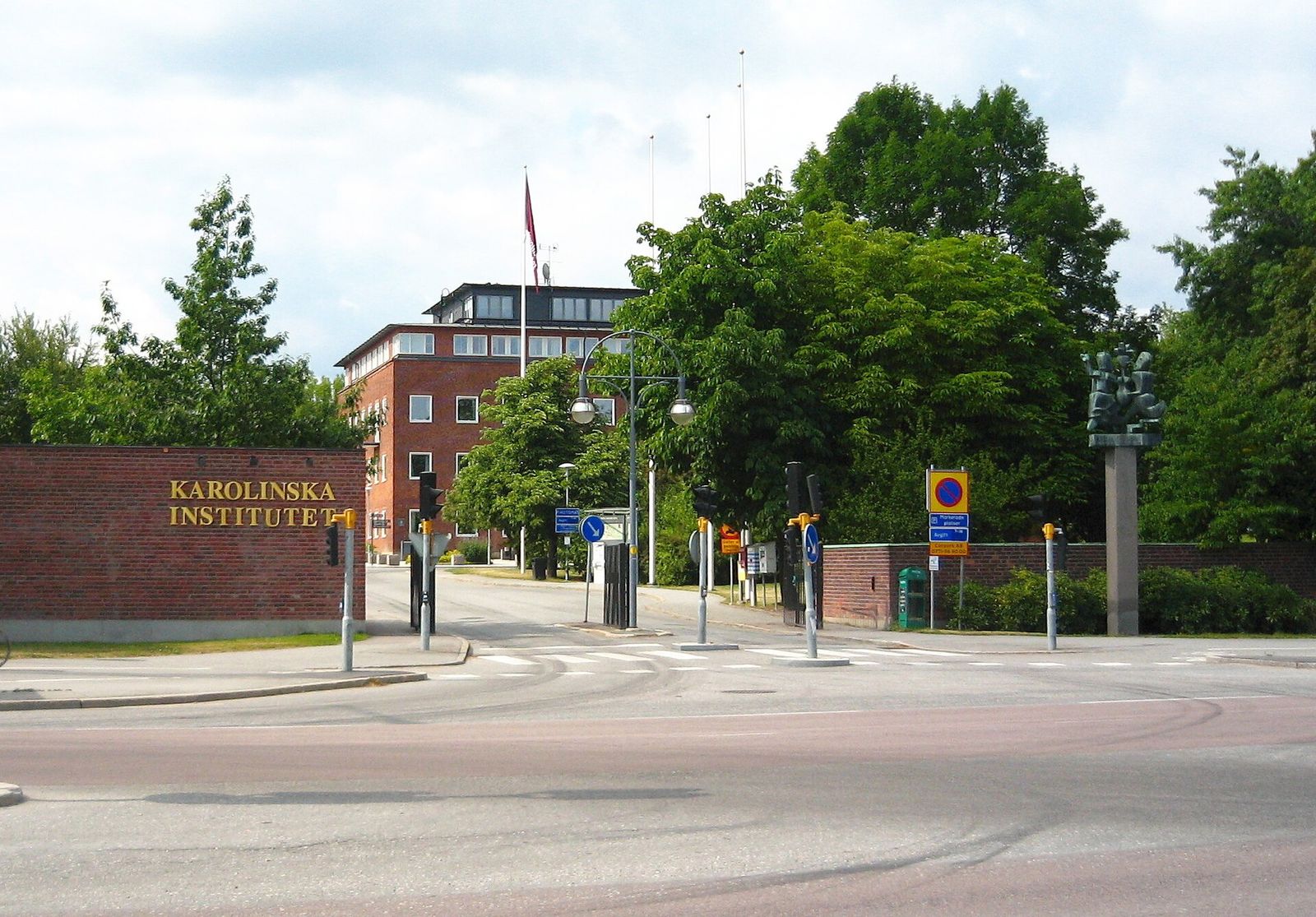
The phase 2 study, run by researchers at Sweden's Karolinska Institutet and published in JAMA Network Open, is the country's first randomized, double-blind trial of psilocybin for depression. It involved just 35 people, and its most striking results come with real caveats: the advantage over placebo faded by the one-year mark, and nearly all participants correctly guessed which treatment they had received.
The question the team set out to answer matters more than it may sound. Much of the earlier psilocybin research focused on depression linked to cancer or on cases that had failed standard treatment. This trial looked at the more ordinary recurring depression that many patients bring to a doctor's office, and the early numbers suggest psilocybin may help there, too.
What the trial measured
Adults ages 20 to 65 qualified if they scored at least 22 on the Montgomery-Åsberg Depression Rating Scale, or MADRS, a clinical tool that runs from 0 to 60, with higher scores meaning more severe symptoms. Participants were randomly assigned either psilocybin or niacin. The vitamin served as an active placebo because it causes a noticeable physical reaction, which in theory makes it harder for people to know they got the dummy treatment.
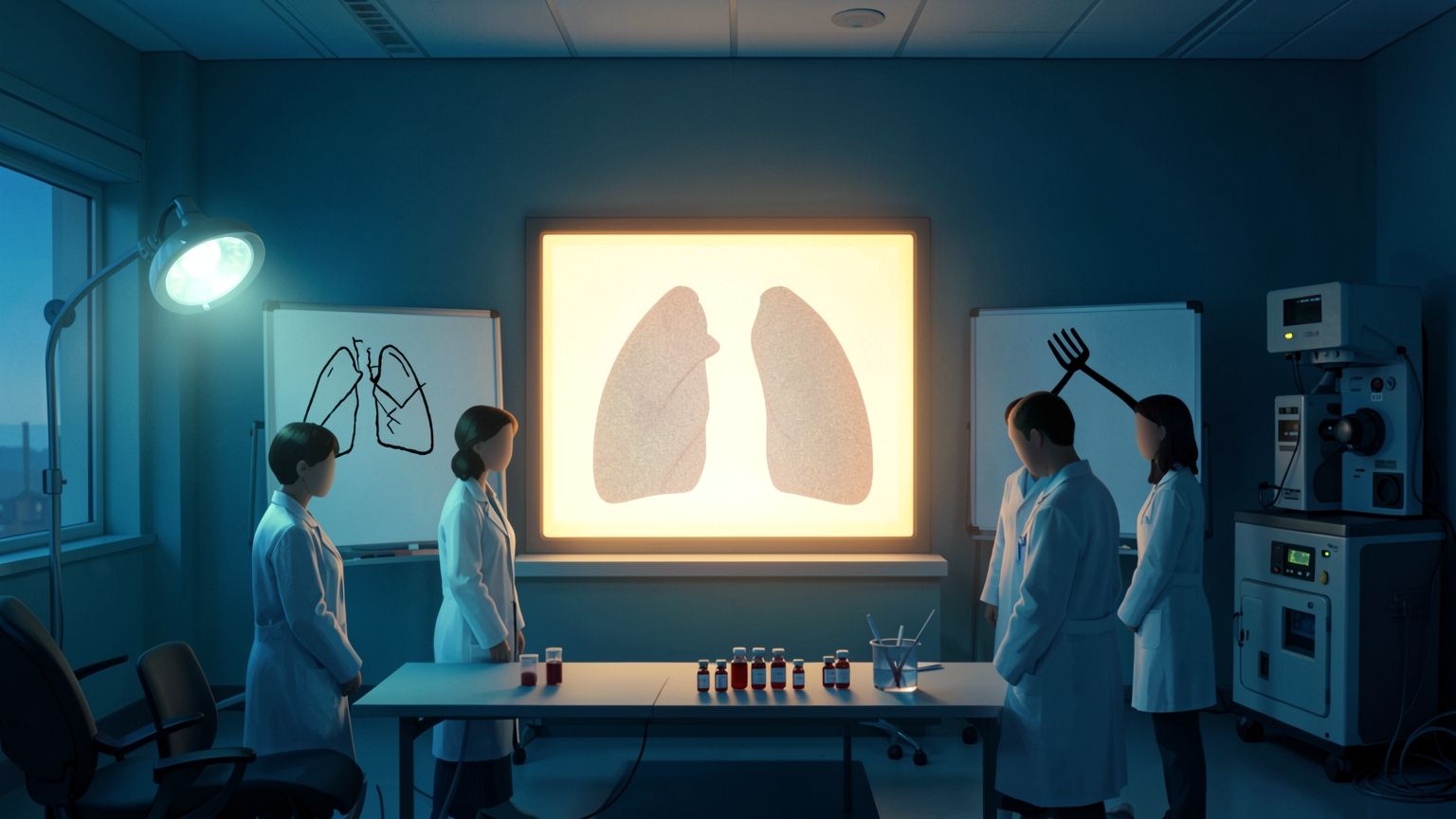
Every participant received psychological support across five sessions before, during and after dosing. On treatment day, they lay down wearing an eye mask and listened to music through headphones while focusing on their inner experience. Physicians who did not know who got which substance assessed symptoms 8, 15, 42 and 365 days later.
The main goal was the change in depression scores at day eight. Scores in the psilocybin group dropped an average of 9.7 points, compared with 2.4 points for placebo. The 7.3-point gap was statistically significant and large enough to count as clinically meaningful, and significant benefits were still present on days 15 and 42.
Participants also rated themselves on a self-report version of the MADRS. Those ratings showed the benefit appearing by day two and staying significantly better than placebo for a little over three months.
Remission is the figure most likely to catch patients' attention. Six weeks after dosing, 53% of the psilocybin group met the threshold, compared with 6% of the placebo group. With 35 people split across two arms, though, each of those percentages represents a small number of individuals, and a handful of different outcomes could shift them noticeably.
Why the long-term picture is murkier
At one year, 53% of the psilocybin group was still in remission. That sounds durable, but many people in the placebo group had also recovered by then, and the researchers could no longer show a significant difference between the two arms. Recurrent depression often waxes and wanes on its own, so the one-year data can't separate a lasting drug effect from the natural course of the illness.
Lead author Hampus Yngwe, a consultant psychiatrist and doctoral student at Karolinska, said the results point to psilocybin as a possible alternative when fast relief matters. He was equally direct about the limits. "However, the long-term effects are uncertain," he said, adding: "Repeated treatments may be needed to prevent relapse." He said that question needs larger studies.
That framing seems right. The strongest case this trial makes concerns speed, not cure. Selective serotonin reuptake inhibitors, the most widely prescribed antidepressants, often take several weeks to help, fail many patients entirely and commonly cause side effects. A treatment that works within days could fill a real gap for someone in a severe episode. Fast-acting options already exist, including esketamine nasal spray, which U.S. regulators approved in 2019 for treatment-resistant depression. A one-time psilocybin session would be a different model, but only if its benefits hold up or can be safely repeated.
Safety and the blinding problem
Most side effects were mild or moderate and cleared fairly quickly. Two people who received psilocybin, however, developed severe anxiety that persisted and required medical attention. In a group this small, that is not a trivial share.
"It is important to emphasize that the treatment is not risk-free and that some patients may need extra support," said Johan Lundberg, a professor in Karolinska's Department of Clinical Neuroscience and its Centre for Psychiatry Research, who led the study.
The bigger scientific weakness is one that has dogged psychedelic research for years. Psilocybin produces an intense, unmistakable experience, and niacin's flush did not disguise the difference: almost every participant guessed correctly which treatment they had received. The researchers acknowledge that this may have affected the findings. When patients know they got the drug they hoped for, optimism alone can lower symptom scores, especially on self-rated scales like the one that showed improvement on day two.
Yngwe said the team wants to study how expectations and the lack of blinding shape results, noting that "previous studies may have exaggerated the treatment effects." It is unusual, and welcome, to see a research group put that warning so plainly next to its own positive results. It also means readers should treat the 7.3-point gap as an upper-bound estimate, not a settled measure of what psilocybin does.
The physician assessments were blinded, which helps, but clinicians can pick up on cues too, and the trial's design can't fully rule that out.
What researchers will look at next
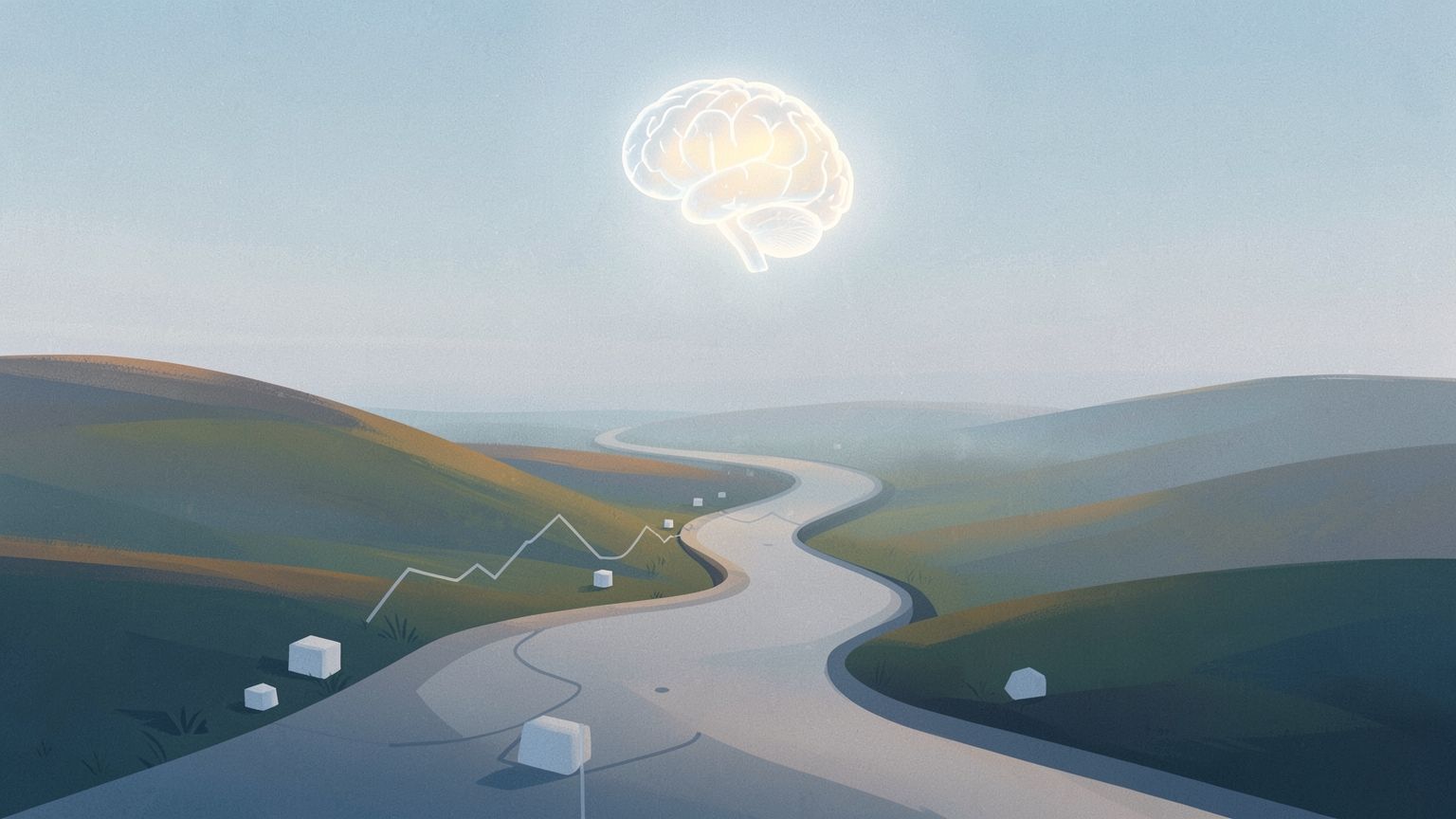
The team plans to analyze PET brain scans, blood and cerebrospinal fluid collected before and after treatment to look for the biological changes behind any antidepressant effect. Their main interest is synapses, the junctions through which nerve cells communicate.
Yngwe said research suggests communication between brain regions is impaired in depression and may be tied to changes in synapses, and that psychedelics have stimulated synaptic growth in preclinical studies. The group wants to see whether psilocybin changes synaptic density in the human brain. Finding such a change would not prove it causes the mood improvement, but it would give the field a measurable biological marker that doesn't depend on whether patients guessed their treatment, which may be the most useful thing this line of research could deliver.
The study was a collaboration between Karolinska Institutet and the Brain Stimulation Clinic within Northern Stockholm Psychiatry in the Stockholm Region. Norrsken Mind and the Swedish Research Council funded it. Lundberg disclosed receiving a personal honorarium from Janssen-Cilag.
For now, the trial adds to the evidence that psilocybin can act fast, while leaving open how long the effect lasts and how much of it the placebo problem explains. Those are the questions a larger, better-disguised trial would have to settle.
Sources
Leah Thompson
Leah Thompson covers public health research and the methods behind widely discussed findings. Her work explains study design, population context, and the difference between an early result and a well established conclusion. She focuses on helping readers understand how evidence is gathered and why the details of a study affect its interpretation.
View all stories