Hot October inflation pushes Wall Street toward faster Fed rate hikes
BofA and TD Securities now expect quarter-point increases in December, January and March, while one Fed governor has floated a half-point move.

· 4 min read
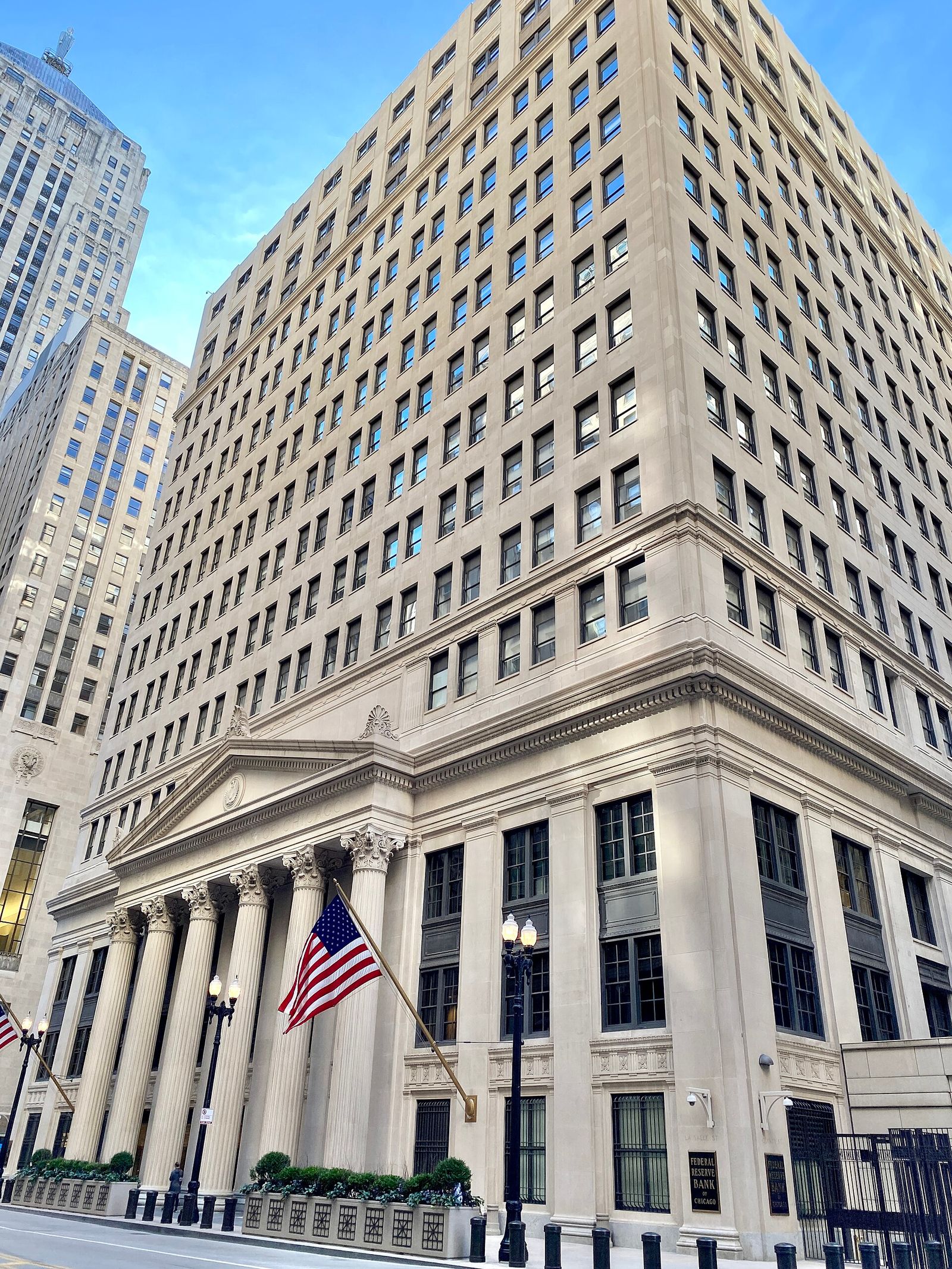
A growing share of Wall Street economists now expect the Federal Reserve to raise interest rates at a quicker clip after consumer prices climbed faster than forecast in October.
The Consumer Price Index rose 0.4% for the month, more than expected. Aditya Bhave, a U.S. economist at BofA Global Research, expects the Fed to lift its benchmark rate by a quarter percentage point at each of its next three meetings, in December, January and March. TD Securities reached the same forecast of three consecutive quarter-point increases, revising its earlier call for two.
Gregory Daco, chief economist at EY-Parthenon, is less aggressive. He expects hikes in December and January.
The size of the increase was only part of the story for TD. In a Friday note to investors, the firm said the October reading beat its own forecast and could not be pinned on one or two categories, as some recent upside surprises had been.
"Inflation is not trending in the right direction," TD Securities wrote. "Price pressures appear to be broadening."
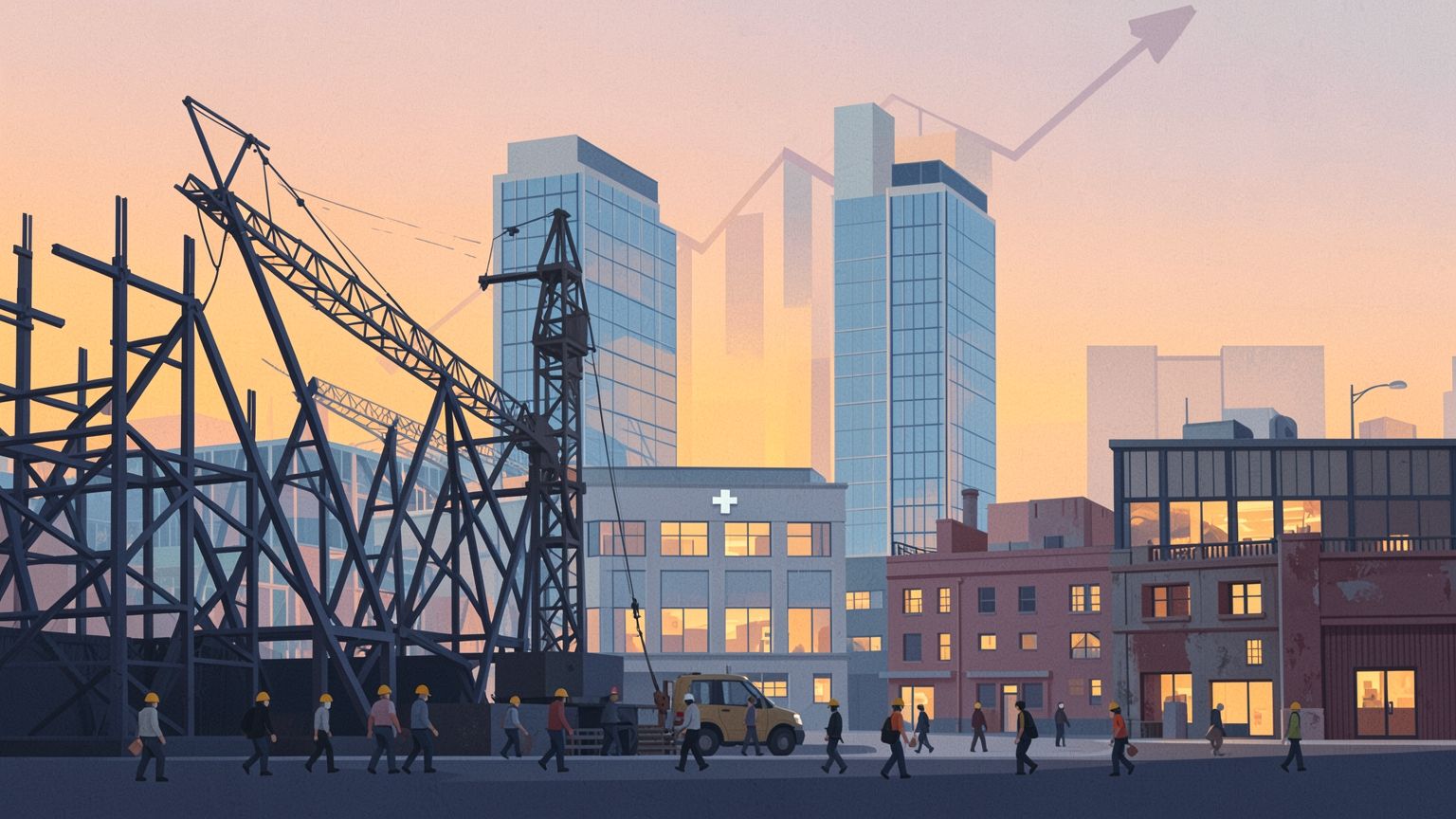
That distinction carries a lot of weight. A jump driven by a single category, such as a spike in gasoline, can fade on its own. When increases spread across many goods and services, they are harder to dismiss as noise and more likely to persist into future readings. That looks like the main reason forecasters raised their calls on the strength of one month's data.
October also continued a streak. Daco said it was the third month in a row that prices rose faster than expected, with tight supply meeting healthy demand across the economy. Three consecutive misses in the same direction weaken any argument that the forecasts are simply running a little behind the data.
Traders already treat a December increase as close to settled. CME FedWatch puts the odds of a quarter-point hike at the Dec. 8-9 meeting at nearly 90%, and also shows a better-than-even chance of a second quarter-point increase at the Jan. 26-27 meeting.
Some policymakers have suggested the Fed may need to go further. Fed Governor Christopher Waller told a conference in London on Tuesday that officials should consider a half-point increase in December, warning that a smaller step "would put our credibility at risk."
Other Fed officials have also said tightening may need to become more aggressive to bring inflation back to the central bank's 2% annual target. For now, the open question for December appears to be the size of the move rather than whether one happens. If the market's near-certainty about a quarter point is correct, Waller's argument is effectively a case for front-loading, getting more of the tightening done early instead of spreading it across the winter meetings.
Daco points to two main forces: high energy costs and heavy corporate spending on data centers and other equipment needed to run artificial intelligence.
"Together, these forces could keep inflation elevated into 2027 and weigh further on household purchasing power," Daco said in a report.
This mix is awkward for the Fed. Higher borrowing costs work mainly by cooling demand, and they do little directly to bring down energy prices. Large companies pouring money into AI infrastructure may also respond less to a few quarter-point increases than a family deciding whether to finance a car. If the biggest sources of price pressure are the ones least sensitive to rates, the Fed could need more hikes, or more time, to reach the same effect. That would help explain why some officials are already talking about bigger steps.
Households would feel the effects through loans. Daco told CBS News that the outlook points to expensive borrowing for consumer loans of every kind. He added that a steeper path for the federal funds rate generally lifts long-term rates as well, raising borrowing costs for consumers nationwide.
Long-term rates matter because many big household debts, including mortgages, are linked to them more than to the Fed's overnight rate. Even if the central bank moves in small increments, a sustained run of increases can raise borrowing costs well beyond credit cards and other variable-rate debt.
The forecasts are still forecasts. BofA, TD and EY-Parthenon each expect at least two more increases, but they differ on how many, and Waller's half-point idea shows the debate inside the Fed is not limited to a single path. The next firm test is the Dec. 8-9 meeting, where policymakers will decide the size of the next move and whether the faster pace Wall Street now expects actually begins.
Sources
Vivian Clarke
Vivian Clarke covers retirement planning news, pension developments, and long term saving. Her work follows changes to retirement programs, savings rules, and the economic conditions affecting later life finances. She explains terminology, published figures, and the scope of policy announcements, helping readers understand the context behind developments in retirement income and future household costs.
View all stories