Apple opens preorders for first Home Collection gear: two LG cameras and a doorbell
The thermostats, smart lock and room sensor still have no ship date, so Apple's holiday smart home push leans on security hardware.
 By Clara Nguyen
· 4 min read
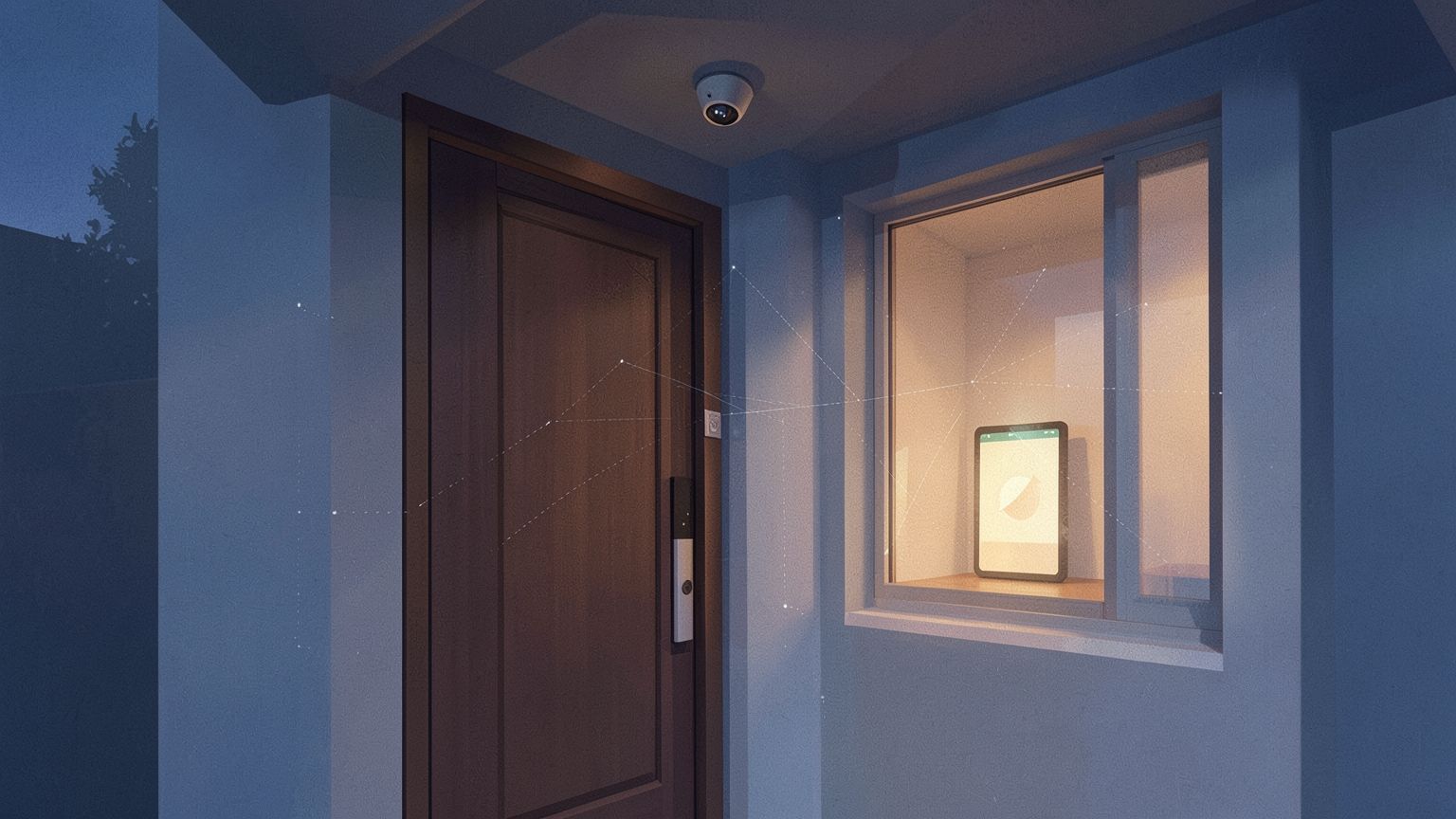
Apple's new Home Collection is now on sale, though only a slice of it. On Friday, three LG-made security devices became available for preorder through Apple's online store: the $299.95 LG Outdoor Cam, the $199.95 Indoor Cam and the $249.95 LG Video Doorbell. Apple's store estimates delivery between Dec. 11 and Dec. 17.
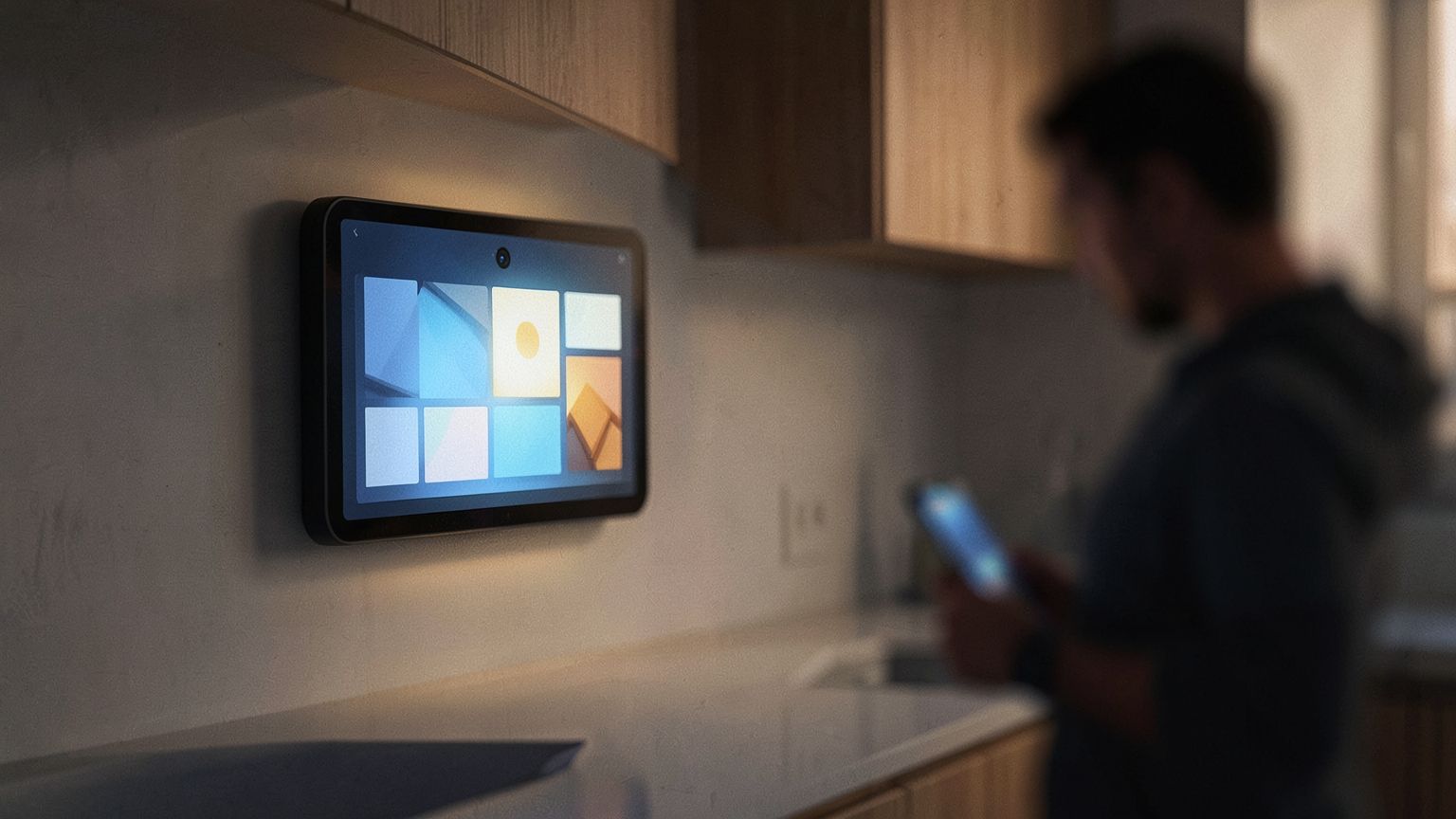
The preorders arrived the same day Apple released HomeView, its Siri-driven smart display, along with a new Apple TV 4K. Apple introduced the Home Collection about a month ago as accessories it built jointly with LG Electronics and Schneider Electric. The collection is one part of a broader smart home effort, and HomeView is the device at the center of it.
Five other Home Collection products are listed on Apple's store but can't be ordered yet and have no estimated ship date:
- LG Floodlight Cam, $399.95
- LG Smart Deadbolt Lock, $349.95
- LG Smart Thermostat, $199.95
- Schneider Home Smart Thermostat, $199.95
- Schneider Home Room Sensor, $39.95
9to5Mac said it isn't clear whether any of those will go on sale before 2027. It suggested the thermostats and lock may not arrive until the new year.
The split timing creates an awkward situation. Someone buying a HomeView as a gift can add a camera or doorbell for the holidays but can't yet build the kind of complete setup Apple has been promoting, with climate control, a lock and room sensors. Opening with security gear makes commercial sense, because cameras and doorbells are often what draws people into smart home products in the first place. Still, the lock and thermostats are the pieces most likely to benefit from Apple's networking approach, and they are the ones that are missing.
The Home Collection devices don't do anything that other compatible accessories can't. They have no exclusive features. What Apple is selling is less friction. Setup is meant to take a tap of an iPhone against the device, and Apple says owners won't need a separate manufacturer app or account. Anyone who has juggled a different login for every camera, plug and bulb will recognize the appeal.
The accessories also run on Thread, a low-power mesh networking standard. That lets them stay connected to one another when the internet connection or Wi-Fi network goes down. They can also pick up new network credentials automatically when a user changes the home Wi-Fi setup. That second detail sounds small, but it addresses a familiar chore: re-pairing every gadget in the house after swapping routers or changing a password.
Those benefits will probably matter most for the products that aren't available yet. Thread is built for small, frequent messages such as a lock command or a temperature reading, not for streaming video. That makes it a natural fit for a deadbolt or a room sensor. For the cameras on sale now, the bigger selling points are likely the simpler setup and the absence of a third-party account.
Apple has supported third-party smart home gear through HomeKit for more than a decade. Over that time it has mostly let other companies build the hardware while it set the rules. The Home Collection keeps manufacturing with partners but puts Apple's name on the shelf. Buyers get a curated set of products that Apple helped design and sells directly. That is a meaningful shift from simply certifying whatever reaches the market.
The prices put the cameras at the premium end of the category. The Outdoor Cam costs close to $300, and the Floodlight Cam will cost $399.95 when it arrives. That premium is hard to justify on features alone, since Apple doesn't claim any capability that rivals lack. The argument has to rest on reliability, privacy within Apple's ecosystem and setup that simply works. Those are real advantages for people who have avoided smart home gear out of frustration, but they matter less to anyone who already has a working system.
The more interesting test will come when the full lineup ships. A $39.95 room sensor and two thermostats at $199.95 each are the kind of products that could lead households to build out an entire system around HomeView instead of buying one camera. Until those have dates, the Home Collection is a promising framework with three devices in it.
Sources
Clara Nguyen
Clara Nguyen follows semiconductors, computing hardware, and the industry developments behind modern devices. Her coverage connects chip announcements, manufacturing plans, and performance claims with the products they may influence. She focuses on clear explanations of technical terms and supply chain context, helping readers understand the significance of changes beneath the surface.
View all stories