Measles is endemic in the US again after 26 years of elimination status
A regional health commission found the virus has spread nonstop for over a year. Cases this year top 5,400, the most since 1991, and 10 people have died.
 By Iris Walker
· 5 min read
Key Takeaways
- More than 5,400 measles cases have been recorded this year, more than double last year's total and the most since 1991.
- Ten people have died, and at least four were babies too young for the vaccine.
- Kindergarten measles vaccination fell to 92% in the 2025-26 school year, below the 95% level needed to block outbreaks.
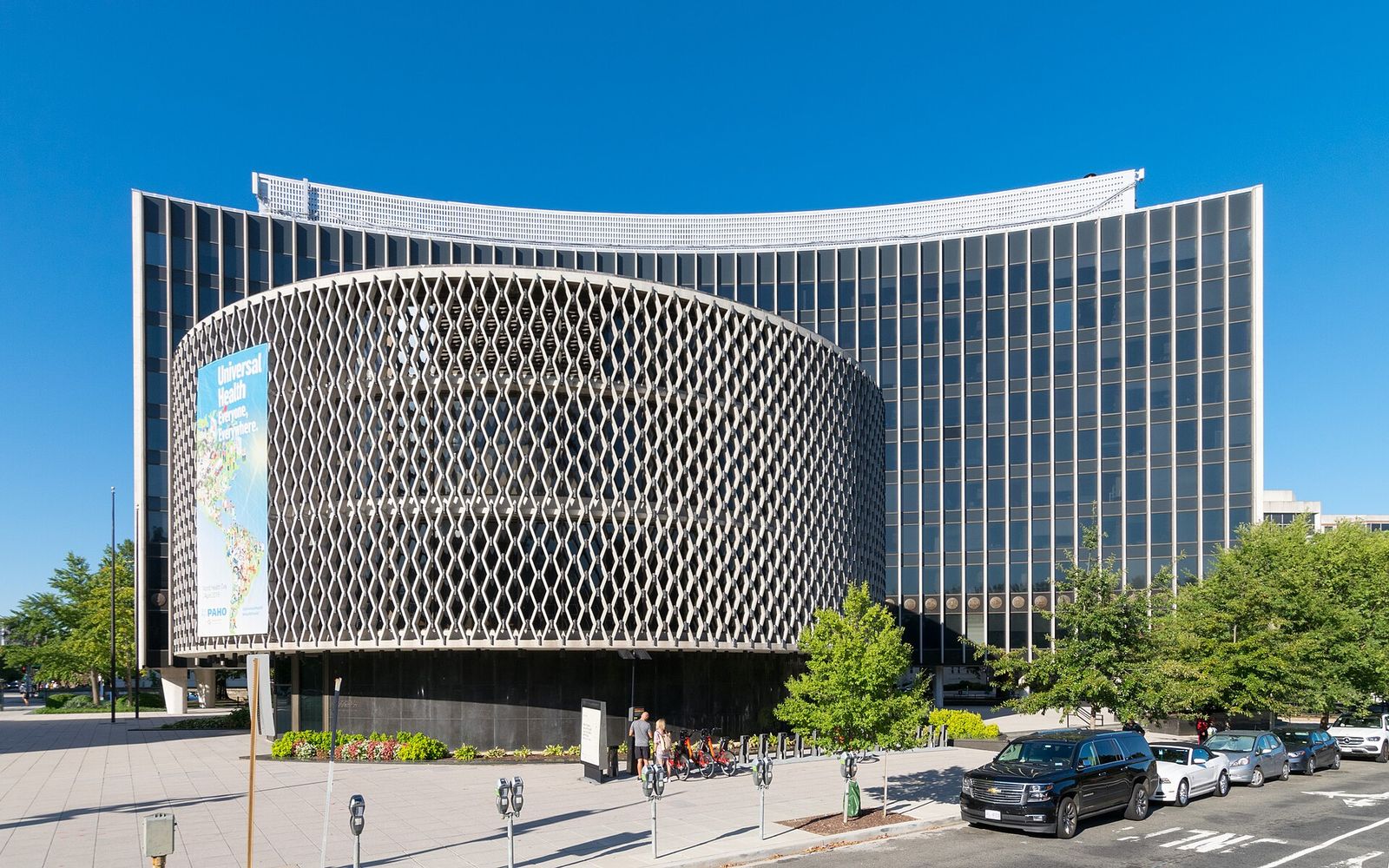
The United States has lost the measles-elimination status it has held since 2000. An independent commission of the Pan American Health Organization concluded that the virus has circulated inside the country without a break for more than a year, NBC News reported, citing sources familiar with the vote. PAHO, a regional arm of the World Health Organization, is expected to announce the decision formally on Tuesday.
The ruling means public health officials once again classify measles as endemic in the U.S. It was declared eliminated 26 years ago, a milestone that rested on decades of childhood vaccination after the first measles vaccine was licensed in the 1960s.
The numbers behind the decision are stark. More than 5,400 cases have been recorded so far this year, more than twice last year's count and the highest annual total since 1991. State health departments have reported 10 deaths.
"We've had more measles cases in the last 18 months than we've had in the previous 25 years combined," said Noel Brewer, a public health professor at the University of North Carolina at Chapel Hill.
PAHO decides whether countries in the Americas meet the bar for measles elimination. The central test is whether a single chain of transmission has persisted for at least 12 months. An eight-member panel of public health experts spent four days in Washington last week working through that question.
The commission examined genetic data from cases not tied to international travel to see whether outbreaks in different states were connected. It also looked at vaccination coverage, the quality of U.S. measles surveillance, and whether the country has the strategy and resources to respond to outbreaks.
That approach matters for anyone tempted to read the decision as a technicality. Genetic linkage across states is evidence that the virus is moving through the country on its own and is no longer arriving only with travelers. That shift is what separates periodic imported outbreaks from endemic disease, and it is hard to argue with.
The U.S. has been here before in a narrower way. In 2019, outbreaks centered in New York came close to the 12-month mark before they were contained. This time the line was crossed. Regaining the status would require breaking every chain of homegrown transmission and keeping it broken, and experts say that could take years.
About 92% of kindergarteners had received the measles vaccine as of the 2025-26 school year. In the 2019-20 school year the figure was 95%, the level considered necessary to stop outbreaks from taking hold.
A three-point drop sounds modest, but national averages hide where the virus actually spreads. Among kindergarteners, 75% of counties and jurisdictions that report measles vaccine data fall below 95%, according to an NBC News investigation. Since 2019, 82% of counties and jurisdictions have seen their rates decline. In three small rural counties, Catron County in New Mexico and Adams and Custer counties in Idaho, fewer than half of kindergarteners are vaccinated.
Measles thrives in clusters like those. It is among the most contagious viruses known. One infected person can pass it to 9 of every 10 people nearby who are not protected, and the virus can stay in the air for up to two hours. In unvaccinated people it can cause pneumonia or brain swelling, both of which can kill.
The COVID-19 pandemic sped up the decline. Some families skipped pediatrician visits and fell behind on routine shots. A wave of misinformation about COVID vaccines also revived discredited claims, including the false idea that measles shots cause autism. The WHO was already warning before the pandemic that vaccine hesitancy was driving a global measles comeback.
"It's not just a U.S. problem, and it's not just this administration," Brewer said.
Walter Orenstein, a former director of the CDC's U.S. Immunization Program, said endemic measles is a serious threat to people who are not vaccinated. He singled out infants, who usually cannot get their first dose until age 1, and people with weakened immune systems who cannot receive the shot.
"People can go into a supermarket and get infected," Orenstein said.
That warning is already borne out in the death toll. At least four of this year's measles deaths were babies too young to be vaccinated. Some health departments in outbreak areas now recommend an early dose for infants as young as 6 months. If transmission stays widespread, more jurisdictions may well follow, because an early dose is one of the few tools available to protect infants directly.
The federal response has become part of the story. Under earlier administrations, the CDC answered measles outbreaks with media briefings and vaccination campaigns. It has not done either this year.
A Health and Human Services Department spokesperson said the CDC has "mounted an aggressive response to measles outbreaks." The spokesperson cited $100 million in additional funding allocated in October and experts sent to help states. The spokesperson added that Health Secretary Robert F. Kennedy Jr. and CDC Director Dr. Erica Schwartz still recommend the MMR vaccine as the most effective protection against measles.
"Losing a designation doesn't mean we abandon an evidence-based approach," Schwartz said in a separate statement. She said officials know where transmission is happening and are working with state and local health departments to reach those communities.
Brewer called for a national strategy. "The lack of action to address the growing outbreak is clear negligence," he said.
Mixed messages from the top have complicated the picture. Since taking office, Kennedy has questioned the safety and effectiveness of measles vaccines and promoted unproven treatments such as inhaled steroids. Brewer said frequent public comments have been eroding parents' confidence in vaccination.
Funding and field teams matter, but measles is ultimately stopped by vaccination rates, and those depend on parents' trust. Public messaging is the part of the response that this year's record lacks most.
The U.S. is not the first country in the region to lose its status recently. Canada's elimination status was revoked last year after an outbreak that topped 5,000 cases.
Jon Andrus, a George Washington University global health professor who chairs the PAHO commission, said Canada's failure did not come from a lack of effort. He said Canada had political commitment at the highest level to stop the outbreak. "They really did try," he said.
Canada's experience shows that even a determined, well-coordinated campaign can fall short once measles finds enough unprotected people. For the U.S., the commission's decision confirms what the case counts already showed. The harder question is whether vaccination coverage in the weakest communities can recover before the next outbreak finds them.
Sources
Iris Walker
Iris Walker writes about health research, with a focus on the background needed to interpret new papers and public announcements. Her coverage connects findings with earlier evidence and explains the questions researchers are investigating. She emphasizes clear terminology, appropriate context, and the uncertainties that remain as scientific understanding develops.
View all stories