United outage stalls departing flights days after nationwide FAA ground stop
The pilots' union says the airline couldn't send final weight data to outbound planes. The FAA is still investigating Friday's router-triggered failure.
 By Nadia Rahman
· 6 min read
Key Takeaways
- United said a technology problem hit departing flights Monday. Planes already in the air and United Express flights were not affected.
- The pilots' union said the outage left United unable to give outbound flights their final weight figures.
- The FAA traced Friday's ground stop to a router being installed at an Arkansas facility, but the root cause is still under investigation.
- Delta and American still offer fee-free changes to some travelers, with deadlines between Nov. 18 and Nov. 23.
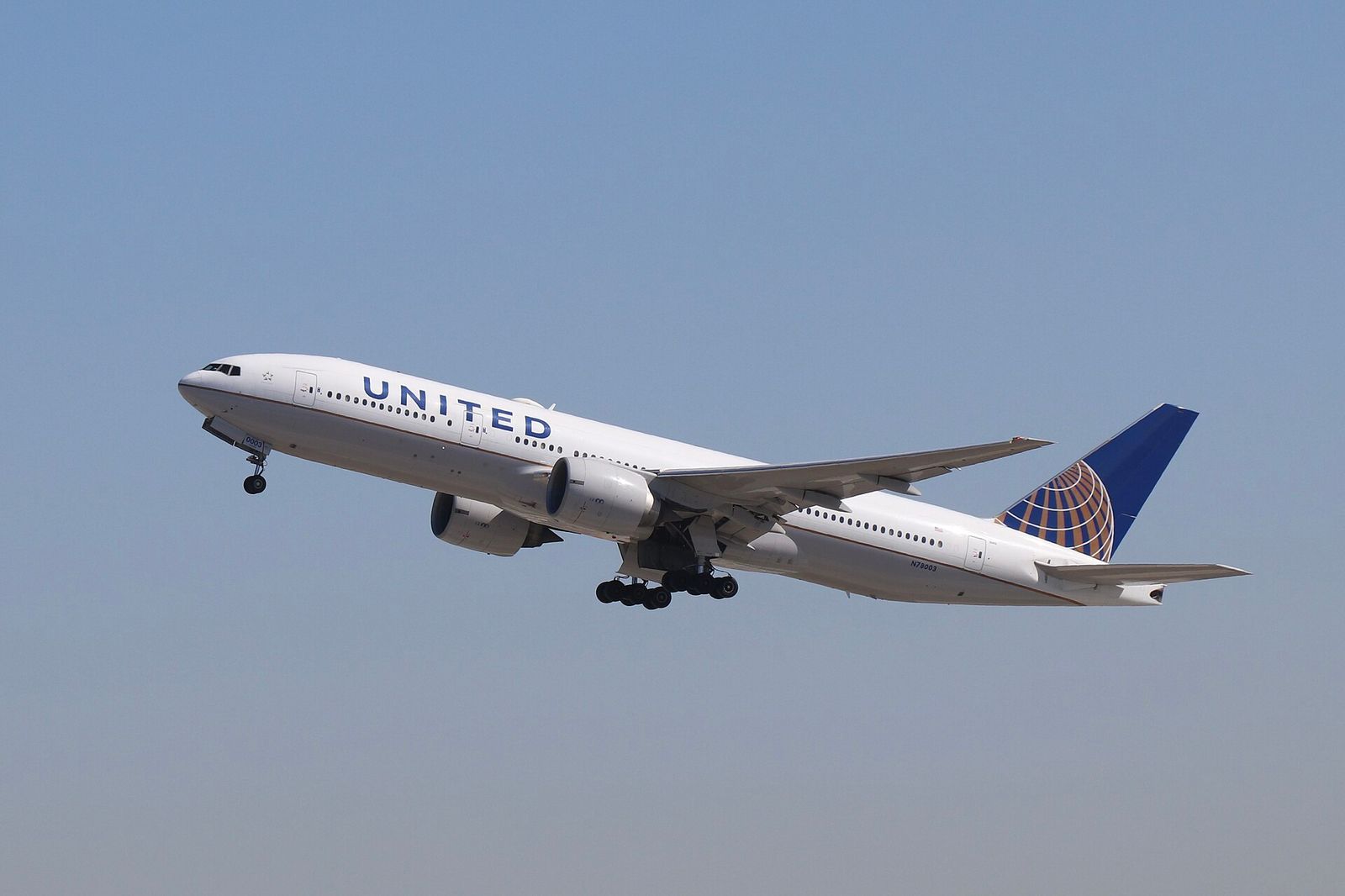
United Airlines held up departures Monday afternoon because of what it called a "widespread system outage." The problem hit just as the rest of the U.S. air system was recovering from a weekend of cancellations.
The carrier said it was troubleshooting a technology issue affecting departing flights. Flights already in the air and United Express flights were not affected. A United spokesperson said there was no indication of a cyberattack. The airline told customers to check their flight status and said on X that its teams were working to restore service quickly. As of the latest reports late Monday afternoon, United had not said when systems would be fully back.
The Air Line Pilots Association, which represents United's pilots, described what had broken. In a message to members seen by CNBC, the union said the outage was "affecting multiple pilot facing applications" and that United could not "provide outbound flights with final weights." A union statement also listed crew communications and messaging systems among the casualties. It said pilots had been told to follow procedures in the flight operations manual and that the union was working with management to understand the scope.
The weight detail explains why a software failure turned into planes sitting at gates. Final weight figures cover passengers, bags, cargo and fuel. Crews use them to calculate takeoff performance and confirm an aircraft is within its limits, so a flight without them can't be properly dispatched. It also explains why planes already airborne were unaffected, since their numbers had been worked out before departure.
According to NBC News, Monday's trouble did not appear connected to the FAA failure behind Friday's ground stop, and other airlines did not appear to be affected. That makes it a United problem rather than a system-wide one. It is still an unwelcome one for a carrier whose chief executive has argued that the industry's weak point is the government's air traffic control system.
A routine hardware swap that halted the country
On Friday, Nov. 13, the FAA stopped takeoffs nationwide for more than four hours. Millions of travelers were stranded, and tens of thousands of delays and cancellations followed over the next several days.
The FAA's account starts in El Dorado, Ark. L3Harris, the agency's network service provider, was installing a new router at an FAA facility there when the problems began, and disruptions also appeared at a radar site in Amarillo, Texas. The agency said its legacy equipment became unstable when data flooded its FTI telecommunications network at a rate of 1,000 connection attempts every 4 to 5 seconds, which disrupted aircraft communications and radar feeds. The network stabilized once L3Harris blocked the two locations. The FAA said the exact cause is still under investigation.
Transportation Secretary Sean Duffy blamed a router in Arkansas that overwhelmed systems feeding radar and other data to air traffic control. He said the router was originally purchased in 2001 and belonged to a system running on obsolete copper wiring. FAA Administrator Bryan Bedford described the work as "routine" maintenance to move from copper to fiber optic lines.
"The work that was done on Friday, that's been done thousands of times by L3Harris in our network," Duffy said Sunday on ABC's "This Week." He said other companies had done the same work without incident, which is why investigators still need to find out what went wrong.
That point should worry travelers more than a dramatic explanation would. By the FAA's account, Friday's shutdown began during ordinary maintenance on decades-old equipment. If a familiar procedure can still halt every takeoff in the country, the danger lies in how fragile the old equipment is. This isn't the first time it has happened. In January 2023, the failure of the FAA's system for alerting pilots to hazards also led to a nationwide halt of departures.
Industry leaders were quick to press for upgrades. "This moment must be a call to action," United CEO Scott Kirby said in a statement. Geoff Freeman, president and CEO of the U.S. Travel Association, called Friday's disruption "a wake-up call that Washington cannot afford to ignore." He also said safety remained the top priority throughout. Freeman said the FAA is making progress replacing copper lines with fiber and upgrading radar and radio systems.
Kirby's argument is reasonable on its own terms. Monday's events, however, showed that an airline's internal software can hold up departures as effectively as an FAA router can. Travelers depend on both systems working.
The timing also fits a run of high-profile technical failures. Earlier Monday, JPMorganChase said a technical issue was delaying some banking transactions for its own customers and others. Last week, Microsoft said a "bug" and overwhelmed servers knocked Outlook offline. There is no evidence that any of these incidents are related. Bad weeks for unrelated systems do happen, and treating them as a single pattern would claim more than the facts support.
What Thanksgiving travelers can expect
Outside United, the system was largely recovering. FlightAware counted about 2,800 delays and nearly 330 cancellations within, into or out of the U.S. as of Monday afternoon, far fewer than on Sunday. Those figures were compiled around the time United's problems surfaced, so they may not show the outage's full effect. On Nov. 15, the FAA warned that "Recovery to normal operations will be slow and steady."
American Airlines said it expected to run a largely normal schedule Monday and did not anticipate further broad cancellations from the ground stop. Delta said most of its flights were operating normally but some customers could still see delays or cancellations. It advised travelers to allow extra time at the airport.
Most airlines have ended the rebooking waivers they issued Friday, but two major carriers still offer them:
- Delta: Customers scheduled to fly through Monday, Nov. 16, can change flights at no extra cost, as long as the new departure is on or before Nov. 23.
- American: Change fees are waived for travelers booked to or from 21 major U.S. airports through Wednesday, Nov. 18. New travel dates can run through Nov. 21, but changes must be made by Nov. 18.
Travelers without a waiver can often still change a ticket on a major U.S. carrier without a fee, though they may have to pay any difference in fare. Those policies generally exclude basic economy fares and low-cost airlines. The available reports did not mention a separate waiver tied to United's Monday outage. The airline's public guidance was to check flight status.
The holiday calendar may give the system some slack. Mike Arnot, a spokesman for aviation analytics firm Cirium, said the Wednesday before Thanksgiving is usually the year's busiest air travel day. In 2026, that day, Nov. 25, is not expected to rank among the 50 busiest. A lighter peak would give airlines more room to absorb the effects of Friday's ground stop and Monday's outage before the holiday rush.
Sources
Nadia Rahman
Nadia Rahman covers employment, wages, and the household costs that shape everyday financial life. Her work follows labor market reports, earnings trends, and changes in spending on essentials. She explains what the numbers measure and how different households may experience them, connecting economic announcements with the pressures and changes visible in family budgets.
View all stories