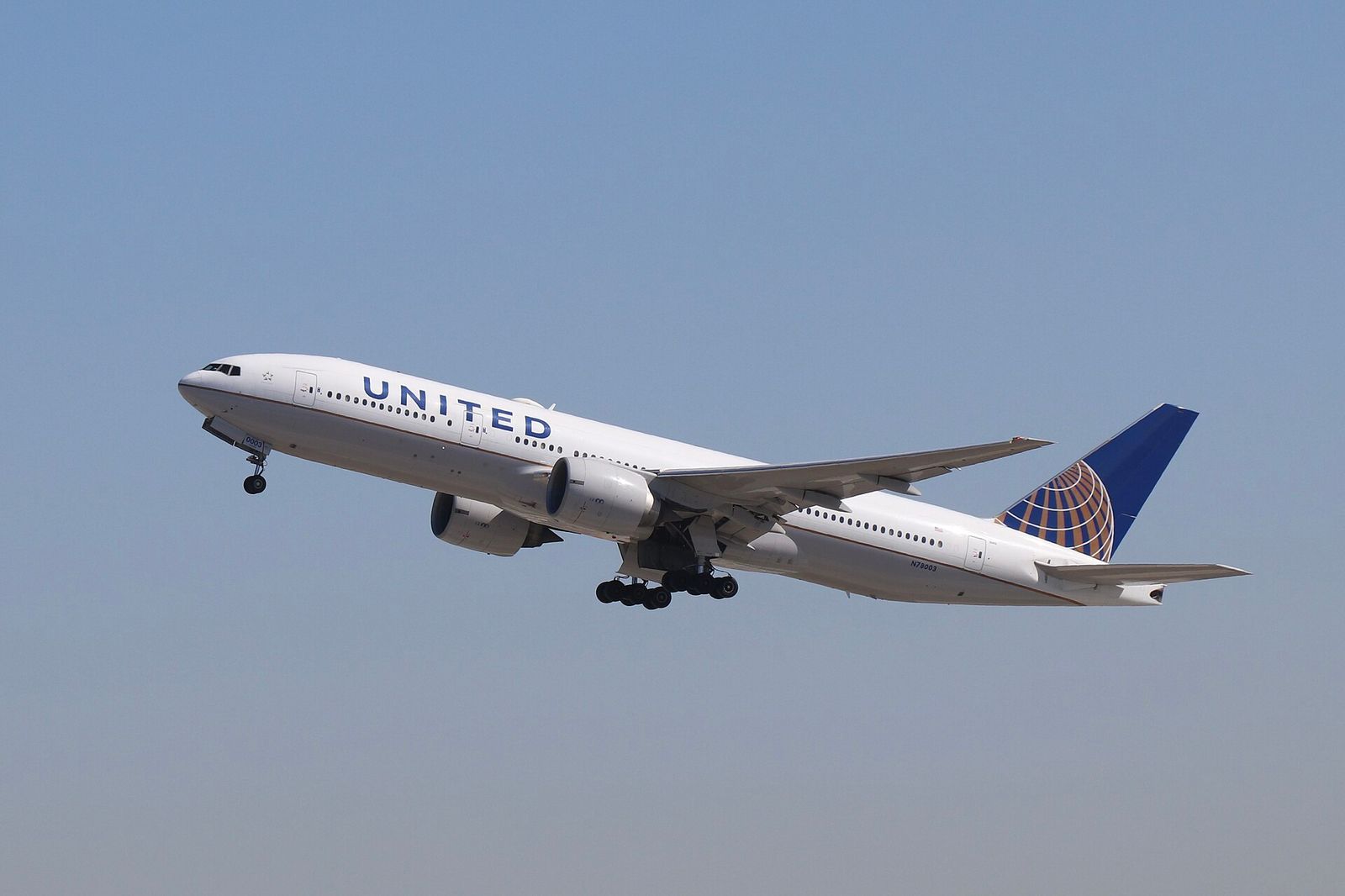
Flights mostly recover after router failure caused longest US ground stop since 9/11
Cancellations fell sharply by Monday, but officials still can't explain why routine cable work set off a nationwide air traffic control breakdown.
 By Nadia Rahman
· 4 min read
Key Takeaways
- About 533 U.S. flights were canceled as of 7 a.m. ET Monday, down from 2,858 on Sunday, according to FlightAware.
- Officials say a copper-to-fiber cable swap in Arkansas set off a router in Texas that overloaded systems nationwide.
- The FAA still does not know the root cause, and copper-to-fiber line conversions continue through 2028.
U.S. air travel was mostly back on schedule Monday morning, three days after a cascading router failure in the air traffic control network forced the Federal Aviation Administration to halt departures nationwide. It was the longest nationwide stop to U.S. air travel since the Sept. 11, 2001, attacks.
The recovery is real but not finished. As of 7 a.m. ET Monday, about 8,365 flights were delayed and 533 canceled across the country, according to flight-tracking site FlightAware. On Sunday, the same data showed 26,392 delays and 2,858 cancellations. American Airlines had the most cancellations Monday, 157, followed by regional carrier SkyWest with 38. Dallas-Fort Worth International and Chicago O'Hare International led all departure airports in canceled flights.
Tuesday looks considerably calmer, with just 68 flights expected to be canceled.
Friday's stoppage lasted several hours before the FAA lifted it at 8:15 p.m. ET, and it stranded hundreds of thousands of travelers. Some slept in terminals; others missed meetings and family gatherings. Transportation Secretary Sean Duffy said over the weekend that the cleanup would take time. "It takes some time for the airlines to rechoreograph all of their crews and aircraft," he said.
That lag explains why a disruption measured in hours spilled into a full weekend. Once departures stop, planes and crews end up in the wrong cities, and airlines have to rebuild schedules piece by piece rather than simply restart them. Sunday's cancellation count was still in the thousands, two days after the FAA lifted the halt, which shows how slowly the system unwinds.
How a cable upgrade in Arkansas spread nationwide
The trouble began with maintenance work. FAA contractor L3Harris was replacing a copper line with fiber at a remote site in El Dorado, Arkansas. Duffy said Sunday that the swap set off problems with another recently replaced router in Amarillo, Texas. That router began broadcasting and overloading routers at air traffic control centers around the country.
FAA Administrator Bryan Bedford said the surge first overwhelmed routers at one center, then spread to backup routers at other locations. The agency stopped departures to take pressure off the system while officials hunted for the source. "I think that was the right call," Bedford said. "We stand behind that."
What officials can't yet say is why it happened. According to Duffy, the FAA still does not know the ultimate cause, and the same kind of maintenance had been done thousands of times before without incident. Investigators are examining why the Amarillo router behaved as it did. Homeland Security Secretary Markwayne Mullin said authorities found no evidence of a cyberattack.
The detail that should worry travelers most is the failure of the backups. Redundant equipment is supposed to keep a fault in one place from taking down the whole network. In this case, by Bedford's account, the overload simply moved into the backup routers. A ground stop was a defensible way to keep the skies safe while engineers worked, but it also shows how little slack the system had.
The upgrade work behind the failure is far from done. More than 3,500 communication lines have been converted from copper to fiber out of 5,170 the FAA plans to switch by 2028, according to agency data, and the conversions are moving quickly. That leaves fewer than 1,670 to go. Until investigators can explain why a routine job tripped a router hundreds of miles away, each remaining swap carries an unanswered question.
An old strain on air traffic control
Friday's breakdown is the most dramatic sign yet of trouble in a U.S. air traffic control system already weighed down by aging technology, equipment and communications problems, and a shortage of several thousand controllers. It also follows other recent failures. In 2023, an outage in the FAA's system for alerting pilots to hazards briefly halted departures nationwide, and in 2025 controllers handling Newark-bound traffic lost radar and radio contact more than once.
Duffy declined to apologize for the ground stop. Speaking on NBC's "Meet the Press" on Sunday, he blamed earlier administrations of both parties for failing to modernize the system. "It happened on my watch," he said, while insisting he was moving faster on FAA upgrades than anyone in decades.
The episode has also renewed a debate in Washington over funding. Duffy said money left unspent last year was earmarked for specific purposes and did not cover new software to manage the airspace.
However the funding debate ends, the immediate cause of Friday's failure was not a lack of new equipment. It came from installing new equipment. That doesn't argue against modernizing, but it does show that upgrading a network that has to run around the clock carries its own risks, and that the contractors and procedures doing the work deserve as much scrutiny as the budget paying for it.
The next test is close. Thanksgiving, one of the heaviest travel periods of the year, arrives later this month, and the FAA still has not identified what made the Amarillo router fail.
Sources
Nadia Rahman
Nadia Rahman covers employment, wages, and the household costs that shape everyday financial life. Her work follows labor market reports, earnings trends, and changes in spending on essentials. She explains what the numbers measure and how different households may experience them, connecting economic announcements with the pressures and changes visible in family budgets.
View all stories