Druski's 'SNL' debut draws 5.6 million viewers, the show's biggest audience in two years
The online comedian's episode set a Peacock record and drew 424 million social views. A Notre Dame upset as its lead-in made the night a broader win for NBC.
 By Jordan Ellis
· 5 min read
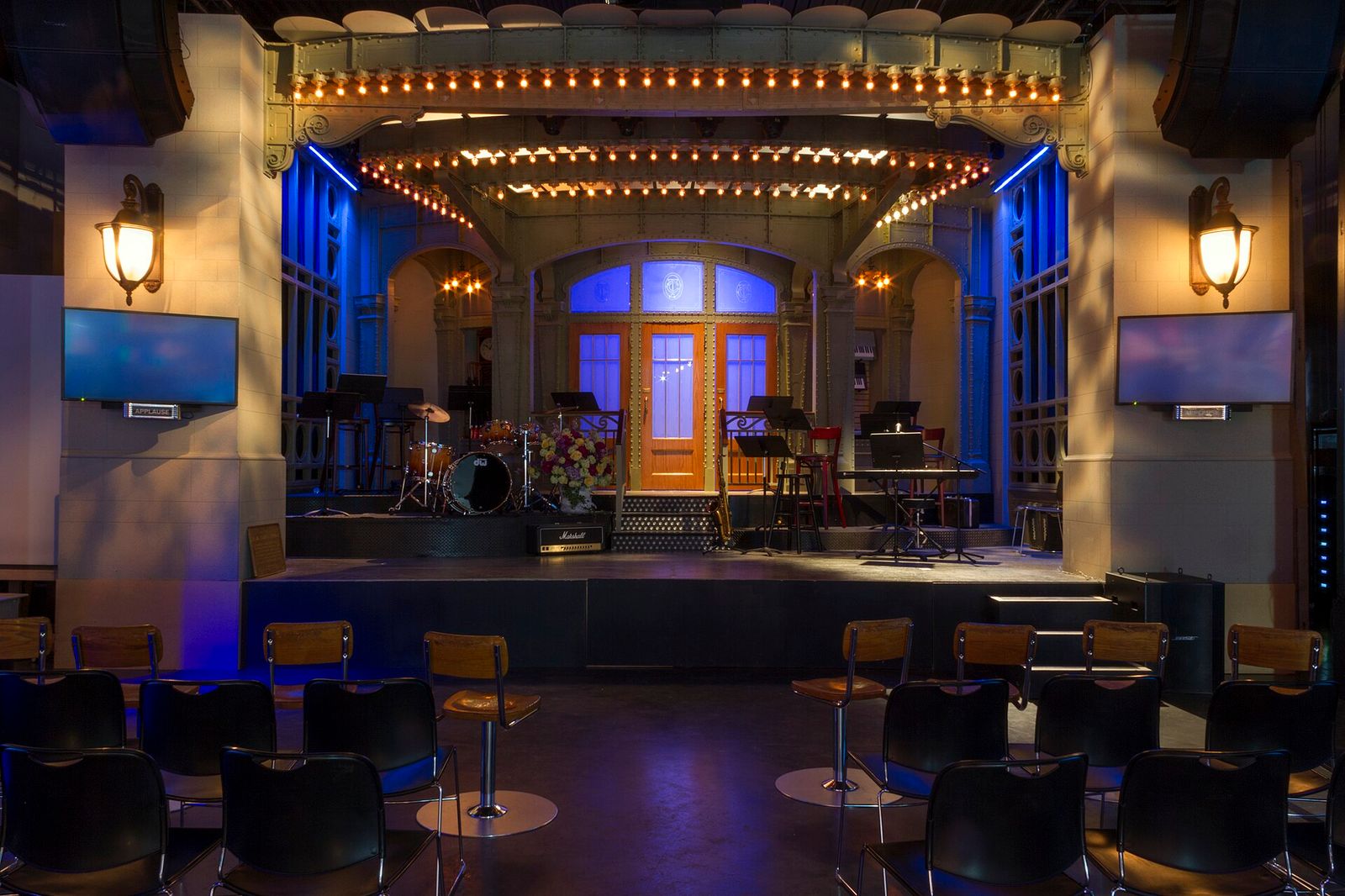
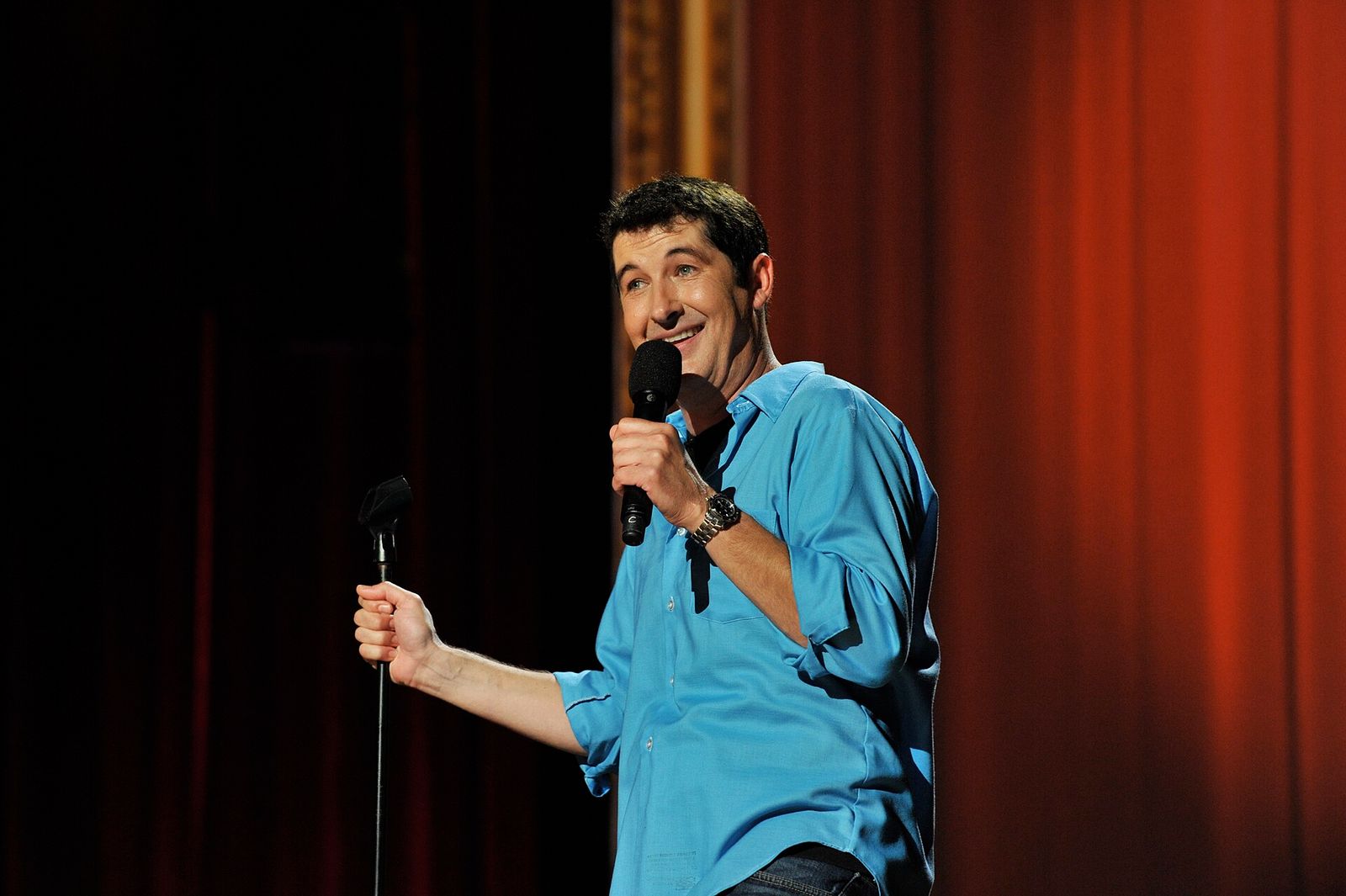
Druski's first turn as host of "Saturday Night Live" pulled in about 5.6 million viewers, the sketch show's largest same-day audience in two years.
The Nov. 7 episode, with the Strokes as musical guest, was measured in Live+Same Day viewing across NBC and Peacock. It beat the season's previous best of about 5.2 million, set a week earlier by the Halloween episode with host Inde Navarrette and musical guest Gracie Abrams. To find a bigger "SNL" audience, you have to go back to the Nov. 2, 2024, show hosted by John Mulaney with Chappell Roan, during the show's 50th season.
Deadline described Druski as the first online personality to host the series. That makes the result more than a good week in the ratings. NBC handed its flagship comedy to someone whose audience grew up largely outside network television, and the audience followed him there.
The age breakdown matters more than the headline total. Among adults 18 to 49, the episode drew about 1.5 million viewers, the strongest showing in that group since the Mulaney episode in November 2024. Among adults 18 to 34, it posted the show's best rating since May 8, 2021, when Elon Musk hosted and Miley Cyrus performed.
Those are the viewers broadcast networks have the hardest time reaching on a Saturday night. Druski built his following through short comedic videos and online characters, and his fans appear to have treated the episode as an event worth tuning in for live rather than waiting for clips.
The clips did well too. As of Tuesday morning, the episode had racked up 424 million views across YouTube, TikTok, Instagram, Facebook and X. That is the best social performance for "SNL" since the December 2025 episode hosted by Ariana Grande, with Cher as musical guest.
NBC also said the episode was the most watched in the show's history on Peacock, though it did not release a figure. Without a number, there is no way to judge how big that record is, and Peacock's "ever" covers a much shorter history than the broadcast show's half century. Still, the claim fits the pattern in the demographic data: the people who came for Druski skew young, and young viewers are the ones most likely to watch on a streaming app.
The night also had star power beyond the host. Emma Stone joined Druski for his opening monologue while she was in town filming the romantic comedy "The Catch." The closing curtain call drew Stone, Michael B. Jordan, Austin Butler, Dave Chappelle, Chris Rock and David Goggins, one of the more crowded goodnights the show has staged.
Druski did not do it alone. NBC's primetime college football broadcast that night featured Notre Dame's 31-24 win over Miami, which was ranked No. 1 at the time. The game averaged 9.1 million viewers on NBC and Peacock, the third most-watched primetime Notre Dame game since the school and the network began their broadcast partnership in 1991. It was the largest audience so far this season for NBC Sports' primetime college football slot, which rotates between Big Ten games and Notre Dame, and it led every college football telecast that weekend.
The NBC-only portion of the game averaged about 8.6 million, a figure that may shift because the broadcast started and ended outside the primetime window.
A lead-in of that size almost certainly pushed some viewers into "SNL" who might not otherwise have stayed up for it. That makes it hard to say how much of the 5.6 million belongs to Druski and how much belongs to a dramatic upset that kept audiences on the channel. The younger-skewing numbers and the social views, though, are harder to credit to college football. A football crowd that drifts into late-night comedy does not usually generate the best 18-to-34 rating in years or hundreds of millions of online views.
The past few weeks look like a deliberate experiment. Navarrette, Druski and Mulaney all bring younger viewers, and two of those three episodes have now set season highs in back-to-back weeks. Variety credited the show's talent bookers with prioritizing Gen Z audiences and said the approach is paying off.
That reading seems right, with one caveat. Booking an online creator is a bet that his fans will follow him to a 90-minute live sketch show built on a format they may know only from clips. Druski's episode suggests the bet can work, and other networks and late-night shows will notice. Deadline's assessment was blunt: more digital creators will likely get the call.
The risk is that not every internet star translates. Hosting "SNL" demands sketch timing, live reads and cue-card work that a short-video career does not always prepare someone for, and the show has had uneven nights with celebrity hosts from outside traditional comedy. A big audience for one episode buys goodwill. It does not guarantee that the next creator brings the same crowd.
There is also the question of the comparison point. The November 2024 Mulaney episode remains the benchmark, and it drew its number in an unusually charged news week, which tends to lift a topical comedy show. Matching that would take more than a strong booking.
The next test arrives quickly. Mulaney, a former "SNL" writer who has become one of the show's most reliable hosts, returns this Saturday with Phoebe Bridgers as musical guest. Variety suggested the show could set a new season high for a third straight week. If it does, it would show that the audience growth is not tied to one host, and that a mix of familiar favorites and online names can keep younger viewers coming back to a 52-season-old show on Saturday nights.
Sources
Jordan Ellis
Jordan Ellis follows theater, stage productions, and live entertainment, with attention to performance announcements and creative collaborations. His coverage explains the context around new shows, touring productions, and changes on stage. He brings together the details readers need to follow the performing arts, from programming decisions to the ideas behind a production.
View all stories