FDA orders GLP-1 drugmakers to warn of rare eye condition tied to sudden vision loss
The label change covers Ozempic, Wegovy, Mounjaro, Zepbound and older diabetes drugs, though FDA scientists found no mechanism linking them to the condition.
 By Amara Okafor
· 4 min read
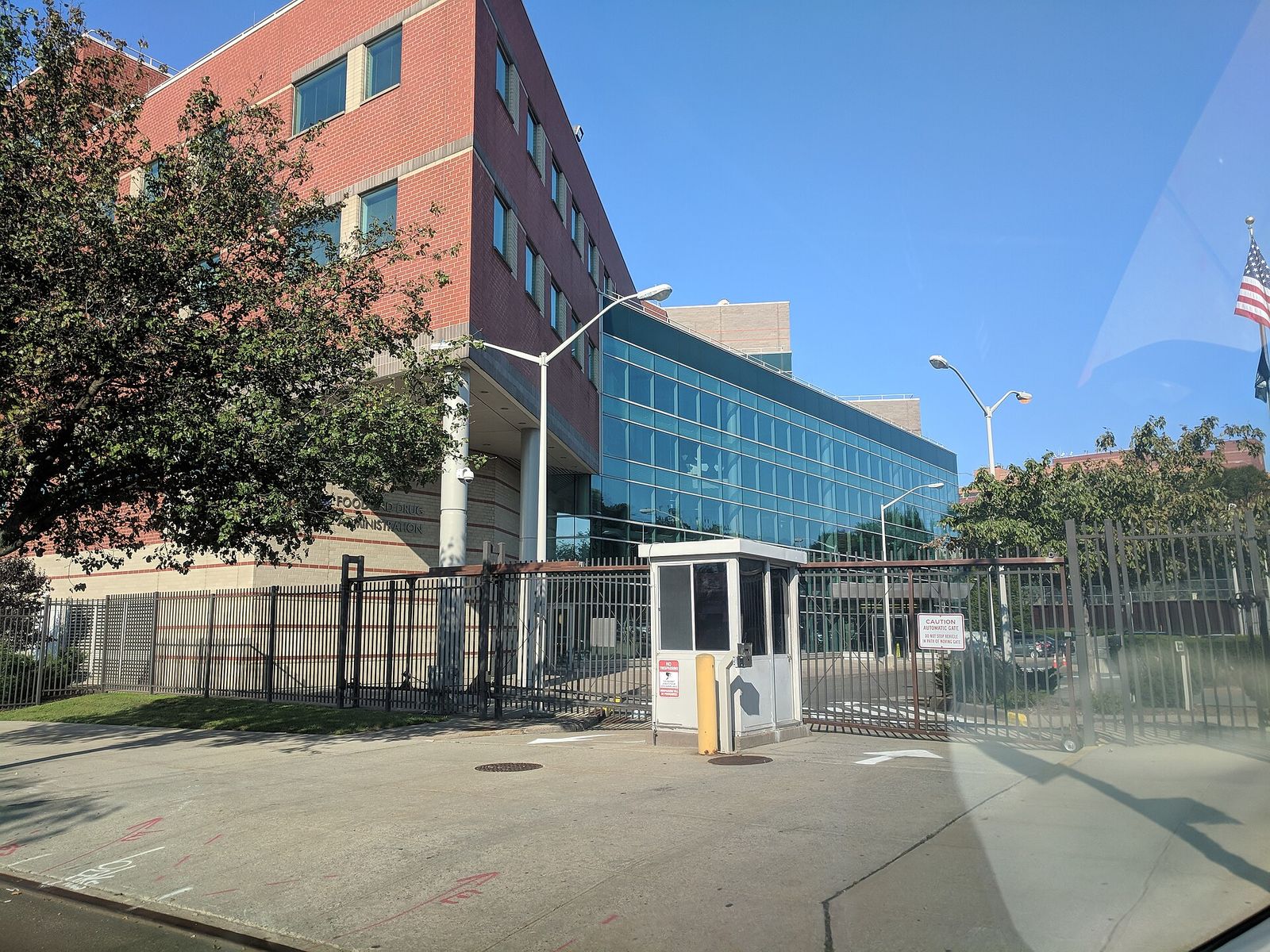
The Food and Drug Administration is requiring makers of GLP-1 drugs, the class behind Ozempic, Wegovy, Mounjaro and Zepbound, to add a warning about a rare eye condition that can cause permanent vision loss.
The agency announced the order Monday. It reaches beyond the weight-loss blockbusters to every GLP-1 on the market, including several older diabetes medications. In its announcement, the FDA said “there is a potential increased risk of rare NAION” among people who take the drugs. That phrasing matters. The agency is flagging a possible risk, not declaring that the medicines cause the condition.
NAION stands for nonarteritic anterior ischemic optic neuropathy. It affects the optic nerve, which carries signals from the eye to the brain. When blood flow to that nerve drops or is cut off, vision can fail suddenly. The damage is permanent, and there is no known treatment. The FDA describes the typical episode as acute, painless loss of vision in one eye.
How the agency built its case
The FDA said its review began after a 2024 study in JAMA Ophthalmology found that diabetes patients prescribed semaglutide, the active ingredient in Ozempic and Wegovy, were four times as likely to develop NAION as patients who were not prescribed the drug. Other research has also suggested GLP-1 use may raise the risk.
From there, the agency examined reports submitted to its adverse event monitoring system and analyzed data from multiple clinical trials. It found NAION cases reported for every GLP-1 drug currently sold. The class-wide finding explains why the warning covers older diabetes medicines and newer products alike, rather than singling out one company or molecule.
What FDA scientists could not find is a mechanism, some biological explanation for how these drugs might damage the optic nerve. That gap sits alongside a complication: risk factors for NAION overlap with conditions common among people taking GLP-1 drugs, including Type 2 diabetes, obesity, sleep apnea and high blood pressure.
That overlap is the central puzzle here. Patients on these medications often already carry NAION risk factors, so part of any statistical link could reflect who is taking the drugs rather than what the drugs do. Adverse event reports cannot settle that question on their own, because they record cases without a reliable comparison group. Without a mechanism, the evidence points to an association that is consistent enough to act on but not strong enough to call causal.
Why a warning makes sense anyway
Acting before causation is settled looks like the right call. The condition is irreversible and untreatable, and the drugs are taken by a very large number of people. A label change costs little and gives patients and doctors a reason to treat sudden vision changes as urgent rather than waiting them out.
Dr. Manjot Gill, an ophthalmologist at Northwestern Medicine in Chicago, called the mandate appropriate. She said it is still unclear whether the drugs cause the condition but that a possible increased risk has been well documented. She also cautioned against alarm, noting how rare NAION is.
“We don’t want patients to really get overly concerned and anxious and to stop these medications,” Gill said. In her view, the warning works mainly as public awareness, so that anyone who notices a change in vision goes to an eye care provider.
The numbers support her caution. The American Academy of Ophthalmology says NAION is the second most common optic nerve disease in the U.S., yet it occurs in up to 10 of every 100,000 people over age 50. Even a substantial relative increase on a baseline that small leaves the absolute risk low for any individual patient. The fourfold figure also came from a study of diabetes patients and semaglutide specifically, so it should not be stretched to every person on every GLP-1.
Spokespeople for Novo Nordisk, which makes Ozempic and Wegovy, and Eli Lilly, which makes Mounjaro and Zepbound, both said patient safety is their top priority. Lilly has said it was aware of studies examining the potential link.
NAION joins an already long list of cautions on these labels. The Novo Nordisk and Lilly labels warn about pancreatitis, gallbladder problems and kidney injury, and they carry a black box warning, the FDA’s strongest, about a possible risk of thyroid tumors. Set against that list, the new language is less a shift in how regulators view the drugs than another item for doctors to discuss when prescribing them.
The more useful outcome would be research that finally explains the link or rules it out. Until scientists identify a mechanism or separate the drugs’ effect from the health conditions of the people taking them, the label reads as a precaution rather than a verdict.
Sources
Amara Okafor
Amara Okafor covers community health, access to services, and developments affecting everyday wellbeing. Her work follows research and public information about the conditions that influence health across different communities. She focuses on explaining how services are organized, whom new initiatives may reach, and what the available evidence says about their effects.
View all stories